

Principle and Working Scene Characteristics of Automatic Material Loading for Garbage by Pneumatic C
Shandong HeadPowder Engineering Co., Ltd., a leading provider in the field, specializes in the design and implementation of advanced pneumatic conveying systems tailored for efficient waste handling. This article explores the fundamental principles behind automatic material loading for garbage through pneumatic conveying, alongside an analysis of key working scene characteristics that define its practical applications.
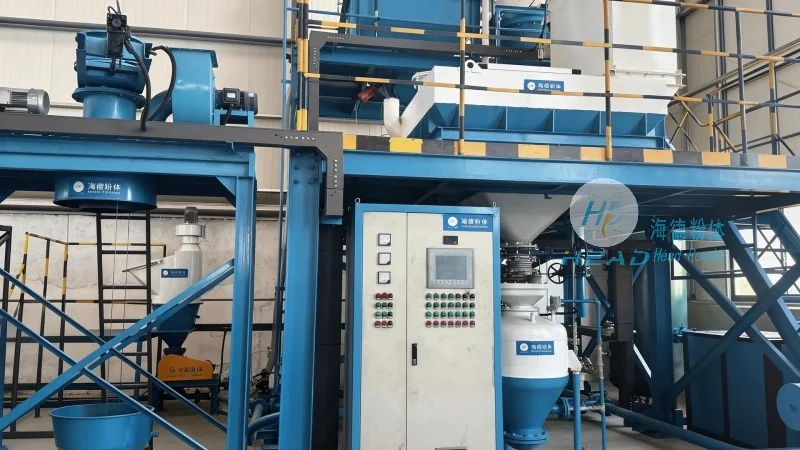
Principle of Pneumatic Conveying for Automatic Material Loading
The core mechanism of pneumatic conveying systems involves the use of air to transport bulk materials, such as waste, from a source to a destination. In the context of automatic material loading, this technology enables the seamless transfer of garbage from collection points or storage areas to processing units without manual intervention. The system typically operates by creating a pressure differential—either through positive pressure (where air is forced into the conveying line) or negative pressure (where air is drawn out)—to move the material along a pipeline. Key components include the loading hopper, which collects the waste and feeds it into the conveying line, and the transport pipeline, which carries the material to the processing facility. The use of air as the conveying medium ensures a hygienic and dust-free operation, which is critical in waste management applications where contamination control is paramount.
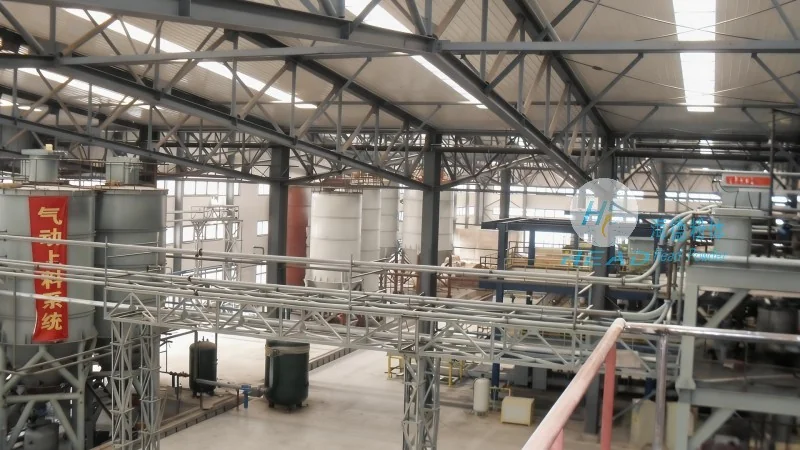
Working Scene Characteristics of Pneumatic Conveying Systems
The effectiveness of pneumatic conveying systems for automatic material loading is heavily influenced by the specific working scene characteristics. These characteristics include the type and volume of waste being handled, the distance between the loading point and processing unit, and the environmental conditions of the site. For instance, in large-scale waste treatment plants, the system must be capable of handling high volumes of mixed waste, such as municipal solid waste (MSW), while maintaining consistent flow rates. The pipeline layout and elevation changes also play a crucial role; systems designed for vertical or horizontal transport may require different pressure levels and component configurations to ensure efficient material movement. Additionally, the integration of the system with existing waste management infrastructure is a critical factor, as it must align with the operational workflow of the facility to minimize downtime and maximize throughput.
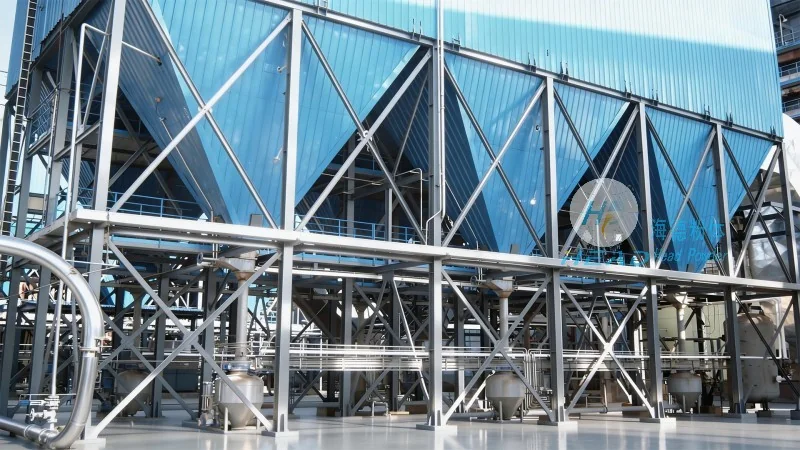
Applications and Advantages in Waste Management
Pneumatic conveying systems with automatic material loading capabilities are widely adopted in various waste management scenarios. These include municipal waste treatment plants, where they facilitate the transfer of collected garbage from trucks to sorting or incineration units. In recycling centers, the technology enables the efficient transport of sorted recyclables, such as paper, plastic, and metal, from collection bins to processing equipment. The advantages of this approach are multifaceted: it reduces labor costs by eliminating the need for manual handling of waste, improves safety by minimizing human exposure to hazardous materials, and enhances operational efficiency by ensuring a continuous flow of material. Furthermore, the hygienic nature of pneumatic conveying helps prevent the spread of odors and pathogens, contributing to better environmental and public health outcomes.
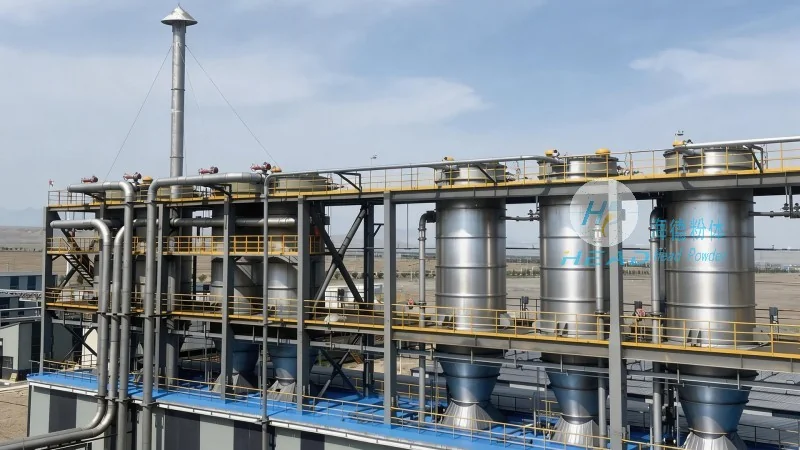
Technical Considerations and Customization
When implementing a pneumatic conveying system for automatic material loading, several technical considerations must be addressed to ensure optimal performance. These include the selection of appropriate air velocity and pressure to prevent material deposition or blockage in the pipeline, the use of suitable pipeline materials to withstand the corrosive nature of waste, and the integration of control systems to regulate the flow and pressure. Shandong HeadPowder Engineering Co., Ltd. offers customized solutions tailored to the specific needs of each client, taking into account factors such as waste composition, site layout, and operational requirements. The company’s expertise in engineering and manufacturing ensures that the systems are designed to meet the highest standards of efficiency, reliability, and durability, providing long-term value to waste management facilities.