

Principle and Working Scene Characteristics of Sodium Nitrate Powder Pneumatic Conveying Equipment
Understanding the principle and working scene characteristics of sodium nitrate powder pneumatic conveying equipment is crucial for optimizing material handling processes in industrial applications. This article provides an in-depth analysis of the technology, focusing on its operational principles and typical application scenarios.
Introduction to Sodium Nitrate Powder Pneumatic Conveying Systems
Sodium nitrate, a critical industrial chemical, is widely used in various sectors such as agriculture, food processing, and chemical manufacturing. Efficient and reliable transportation of this fine powder is essential to maintain production efficiency and ensure product quality. Pneumatic conveying systems offer a solution by utilizing air to transport dry powders through pipelines, eliminating the need for mechanical components like belts or buckets. This technology is particularly advantageous for handling sodium nitrate due to its hygroscopic nature and the need for dust-free environments in many processing facilities.
The Core Principle of Pneumatic Conveying for Sodium Nitrate
The fundamental principle of pneumatic conveying involves the use of compressed air to create a flow that moves the powder particles through a system of pipes. There are two primary types of pneumatic conveying: dilute-phase and dense-phase. Dilute-phase systems use higher air velocities to keep particles suspended in the air stream, suitable for short-distance and low-concentration transport. Dense-phase systems, on the other hand, use lower air velocities and higher powder concentrations, ideal for longer distances and more sensitive materials. For sodium nitrate, a dense-phase system is often preferred to minimize particle degradation and ensure consistent flow rates.
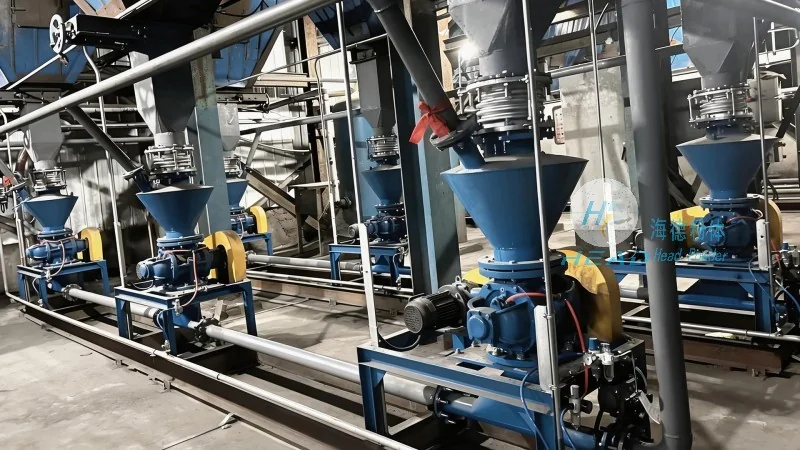
In a typical sodium nitrate pneumatic conveying setup, the system includes a hopper for material storage, a feeder to control the flow rate, a compressor to generate the air pressure, and a pipeline network for transport. The feeder, often a rotary valve or a loss-in-weight feeder, ensures a steady and controlled supply of sodium nitrate into the system. The compressor then draws air from the environment and pressurizes it, which is then mixed with the powder in the feeder. The mixture is then propelled through the pipeline to the destination point, such as a storage silo or a processing unit. At the receiving end, a separator or a cyclone separates the powder from the air, allowing the air to be recirculated or released, while the sodium nitrate is collected for further use.
Key Working Scene Characteristics
The working scene characteristics of sodium nitrate powder pneumatic conveying systems are defined by several factors that influence their performance and suitability for different industrial environments. These include the distance of transport, the required flow rate, the material's properties, and the environmental conditions of the facility.
Firstly, the distance of transport is a critical factor. For short distances (typically up to 50 meters), dilute-phase systems are commonly used due to their lower energy consumption and simpler design. However, for longer distances (up to several hundred meters), dense-phase systems are more effective as they maintain higher powder concentrations and reduce the risk of particle segregation or degradation. In industrial settings, sodium nitrate is often transported from a storage silo to a processing plant or from one processing unit to another, requiring systems that can handle varying distances efficiently.
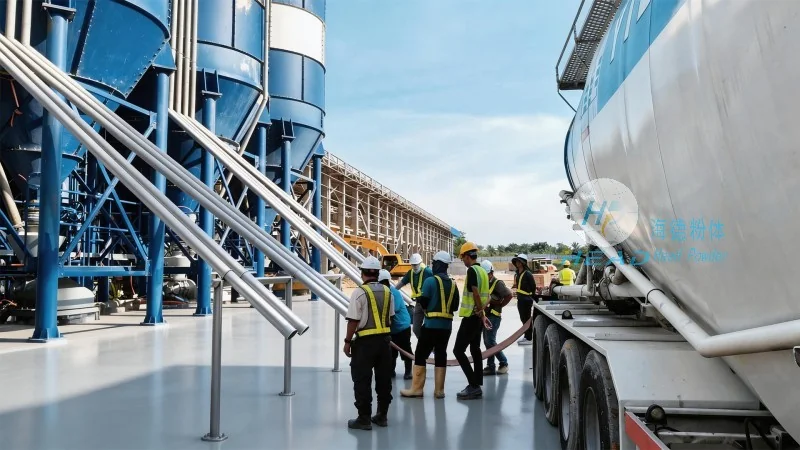
Secondly, the required flow rate is another important characteristic. The flow rate of sodium nitrate powder depends on the production capacity of the facility and the speed of processing. Systems are designed to handle flow rates ranging from a few kilograms per hour to several tons per hour, with the ability to adjust the air pressure and feeder speed to maintain consistent flow. This flexibility is essential in dynamic industrial environments where production demands may change frequently.
Thirdly, the material properties of sodium nitrate, such as its hygroscopicity and particle size distribution, impact the choice of conveying system. Sodium nitrate is hygroscopic, meaning it absorbs moisture from the air, which can affect its flowability and stability. Pneumatic conveying systems, especially those with closed pipelines and controlled humidity, help mitigate this issue by preventing exposure to ambient air. Additionally, the particle size of sodium nitrate, typically in the range of 100 to 500 microns, requires systems with appropriate feeder and pipeline designs to avoid blockages or excessive pressure drops.
Fourthly, the environmental conditions of the facility, including temperature and humidity, play a role in the system's performance. Industrial processing plants often operate in environments with varying temperatures and humidity levels. Pneumatic conveying systems are designed to operate within a wide range of environmental conditions, with features such as insulation and moisture control to maintain the quality of the sodium nitrate during transport. This ensures that the material remains in its desired state, without caking or degradation, which could affect downstream processes.
Application Scenarios in Industrial Settings
Sodium nitrate powder pneumatic conveying systems are widely used in various industrial applications, each with specific requirements that the system must meet. The following are some common working scene characteristics and applications:
1. **Agricultural Fertilizer Production**: In fertilizer manufacturing, sodium nitrate is used as a nitrogen source in compound fertilizers. Pneumatic conveying systems are used to transport sodium nitrate from storage silos to mixing and granulation units. The systems are designed to handle large volumes of material and maintain consistent flow rates, ensuring efficient production of high-quality fertilizers. The hygroscopic nature of sodium nitrate is managed by using closed systems with controlled humidity, preventing caking and ensuring stable material handling.
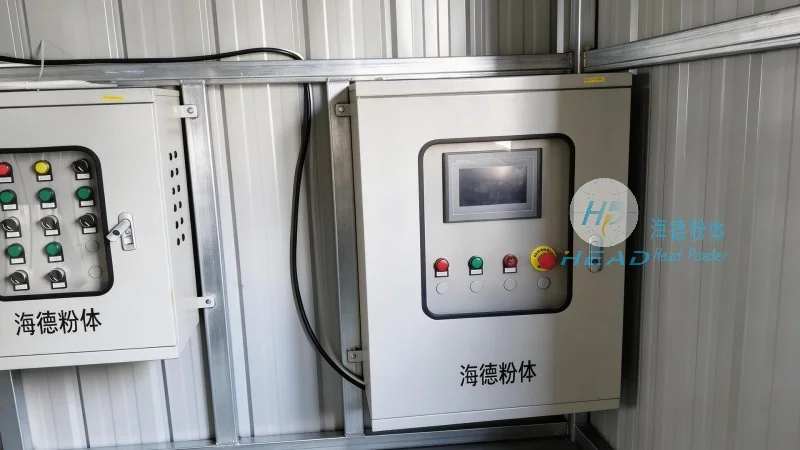
2. **Food Processing Industry**: Sodium nitrate is used as a preservative and colorant in certain food products, such as cured meats. In food processing facilities, pneumatic conveying systems are used to transport the powder from storage to processing lines, where it is mixed with other ingredients. The systems are designed to meet strict hygiene standards, with stainless steel components and sealed pipelines to prevent contamination. The low particle size of sodium nitrate requires careful handling to avoid dust generation, which is managed by using efficient dust collection systems.
3. **Chemical Manufacturing**: In chemical plants, sodium nitrate is used as a raw material in the production of other chemicals, such as nitric acid and ammonium nitrate. Pneumatic conveying systems are used to transport the powder from raw material storage to reaction vessels or processing units. The systems are designed to handle high temperatures and corrosive environments, with materials of construction that resist chemical attack. The dense-phase conveying method is often used to ensure reliable transport of the material, even over long distances, without degradation.
4. **Pharmaceutical Industry**: Although less common, sodium nitrate is used in some pharmaceutical formulations as a source of nitrogen. Pneumatic conveying systems in pharmaceutical facilities are designed to meet stringent regulatory requirements, with features such as GMP-compliant components and sterile processing. The systems are used to transport the powder from raw material storage to mixing and packaging units, ensuring that the material is handled in a clean and controlled environment. The low dust generation and consistent flow rates of pneumatic conveying systems make them suitable for pharmaceutical applications where product purity is critical.
Company Information: Shandong HeadPowder Engineering Co., Ltd.
Shandong HeadPowder Engineering Co., Ltd., commonly known as headpowder, is a leading manufacturer of pneumatic conveying equipment and related systems. With its headquarters in Shandong, China, the company specializes in designing and manufacturing customized solutions for handling fine powders, including sodium nitrate. HeadPowder's expertise lies in understanding the unique properties of different materials and tailoring pneumatic conveying systems to meet specific industrial requirements. The company's products are known for their reliability, efficiency, and compliance with industry standards, making them a trusted choice for businesses in various sectors.
HeadPowder's team of engineers and technicians work closely with clients to assess their material handling needs and develop optimal solutions. The company offers a range of pneumatic conveying systems, from simple dilute-phase setups to complex dense-phase networks, all designed to handle materials like sodium nitrate with precision and efficiency. The company's commitment to quality and customer satisfaction has earned it a reputation as a leading provider of industrial material handling solutions. With a focus on innovation and customer service, Shandong HeadPowder Engineering Co., Ltd. continues to provide reliable and effective pneumatic conveying systems for industries worldwide.