

Comparison of Common Powder Electrolyte Conveying Methods: Advantages and Disadvantages
When it comes to handling and transporting powder electrolytes, selecting the right conveying method is crucial for efficiency, cost-effectiveness, and operational safety. Powder electrolytes, such as those used in battery manufacturing or chemical processing, require specialized equipment to ensure consistent flow, minimal material degradation, and reliable performance. This article provides a detailed comparison of common powder electrolyte conveying methods, highlighting their advantages and disadvantages, to help industries make informed decisions. The information is presented by Shandong HeadPowder Engineering Co., Ltd., a leading provider of powder handling solutions based in China.
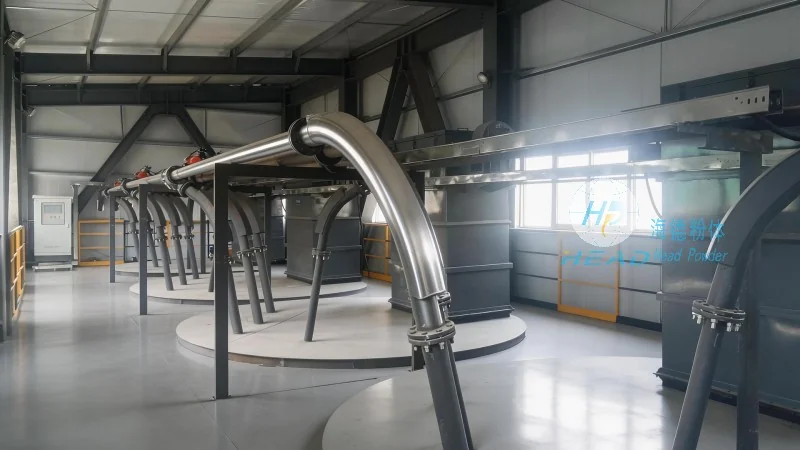
Introduction to Powder Electrolyte Conveying Systems
Powder electrolytes are widely used in various industries, including battery production, chemical synthesis, and energy storage. These materials are often abrasive, corrosive, or sensitive to moisture, making the choice of conveying equipment critical. Conveying systems must maintain the integrity of the powder, prevent segregation, and ensure smooth operation under varying conditions. Common methods include screw conveyors, pneumatic conveyors, and vibrating conveyors, each with distinct characteristics and applications.
Screw Conveyors: Advantages and Limitations
Screw conveyors, also known as auger conveyors, are one of the most widely used methods for transporting powder electrolytes. They consist of a rotating screw (auger) inside a trough or tube, which moves material forward through the system. The primary advantages of screw conveyors include their simplicity, low cost, and ability to handle a wide range of materials, including those with high moisture content or abrasive properties. They are also relatively easy to install and maintain, making them suitable for small to medium-scale operations.
However, screw conveyors have several limitations. They are not suitable for high-capacity applications due to their limited throughput. The rotating screw can cause friction and heat generation, which may affect the quality of heat-sensitive powder electrolytes. Additionally, the system may experience blockages if the powder is too fine or contains lumps, leading to operational downtime. The design also limits the ability to convey materials over long distances without intermediate transfer points.
Pneumatic Conveying Systems: Advantages and Challenges
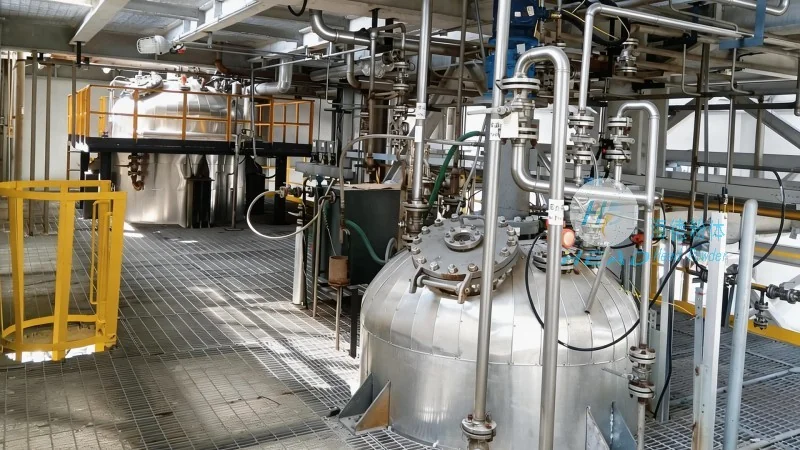
Pneumatic conveying systems use air or other gases to transport powder electrolytes through a pipeline. These systems can be classified as pressure or vacuum types, depending on the operating pressure. Pneumatic conveyors offer several advantages, including high capacity, the ability to transport materials over long distances, and minimal product degradation due to the lack of mechanical contact. They are also flexible, allowing for changes in the conveying route and the integration of multiple transfer points. This makes them ideal for large-scale operations and complex material handling requirements.
Despite these benefits, pneumatic conveying systems have significant challenges. They require high energy consumption, as the air or gas must be compressed or generated at sufficient pressure to move the powder. The system is also sensitive to the particle size and density of the powder, as overly fine or light materials may cause segregation or clogging. Additionally, the equipment is more complex and expensive to install and maintain compared to screw conveyors. The presence of air in the system can also lead to dust emissions, requiring additional filtration and environmental controls.
Vibrating Conveyors: Advantages and Applications
Vibrating conveyors use vibrations to move powder electrolytes along a trough or conveyor bed. The system typically consists of a frame with an oscillating motion, which causes the material to move forward through the system. Vibrating conveyors are particularly effective for handling materials with high moisture content or those that are prone to bridging or clogging. They are also suitable for transporting materials over moderate distances and can handle a wide range of particle sizes.
The advantages of vibrating conveyors include their ability to handle sticky or cohesive materials without the need for additional additives. The system is relatively low-cost and energy-efficient compared to pneumatic conveyors, as it relies on mechanical vibration rather than compressed air. They are also easy to clean and maintain, as the conveyor bed can be easily accessed for inspection and cleaning. However, vibrating conveyors have limitations in terms of throughput and may not be suitable for high-capacity applications. The system can also generate noise and vibration, which may require additional noise control measures.
Selection Criteria for Powder Electrolyte Conveying Methods
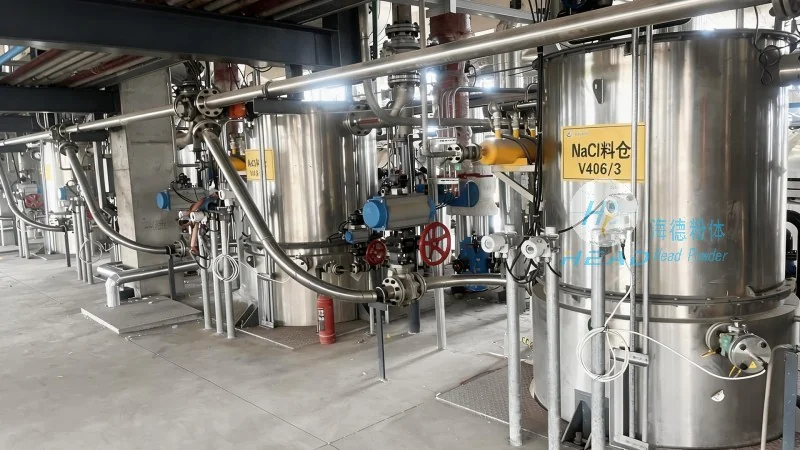
When selecting a powder electrolyte conveying method, several factors must be considered to ensure optimal performance and cost-effectiveness. The primary factors include the material properties (such as particle size, density, moisture content, and abrasiveness), the required capacity and distance of transport, the operational environment (e.g., indoor or outdoor, temperature and humidity conditions), and the budget constraints. Each conveying method has its strengths and weaknesses, and the choice should be based on a thorough analysis of these factors.
For example, screw conveyors are ideal for small-scale operations with moderate capacity and short transport distances, while pneumatic conveyors are better suited for large-scale, long-distance transport of fine powders. Vibrating conveyors are suitable for handling sticky or cohesive materials that may cause blockages in other systems. The selection process should also consider the long-term maintenance costs, energy consumption, and environmental impact of each system. By carefully evaluating these factors, industries can choose the most appropriate conveying method for their specific powder electrolyte handling needs.
Conclusion
In conclusion, the choice of powder electrolyte conveying method significantly impacts the efficiency, cost, and safety of material handling operations. Screw conveyors offer simplicity and low cost but have limitations in capacity and material handling. Pneumatic conveyors provide high capacity and flexibility but require high energy and complex maintenance. Vibrating conveyors are effective for sticky materials but have lower throughput. The optimal choice depends on the specific application requirements and operational constraints. Shandong HeadPowder Engineering Co., Ltd. specializes in providing customized powder handling solutions, including the design and installation of suitable conveying systems, to meet the diverse needs of industries worldwide.