

Principle and Working Scene Characteristics of Aluminum Turnings Material Handling Equipment
Shandong HeadPowder Engineering Co., Ltd., a leading manufacturer based in China, specializes in the design and production of advanced material handling equipment. The company's focus on aluminum turnings processing has led to the development of efficient systems tailored to the unique challenges of handling this specific material. This article explores the fundamental principles behind aluminum turnings material handling equipment and highlights the key operational characteristics that define its effective application in various industrial settings.
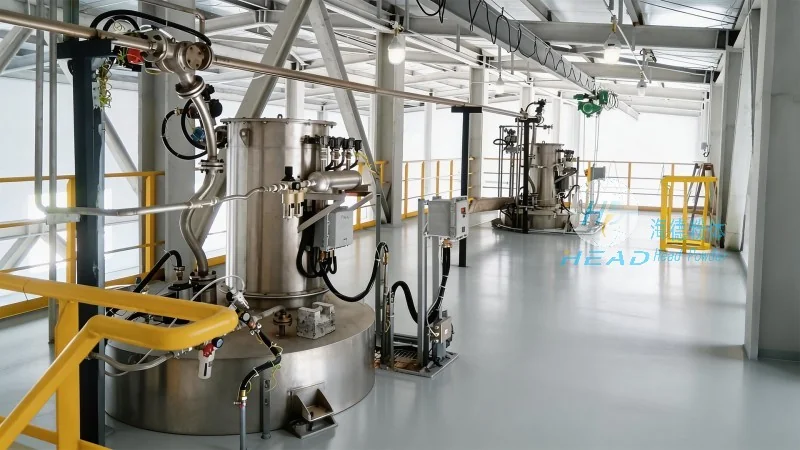
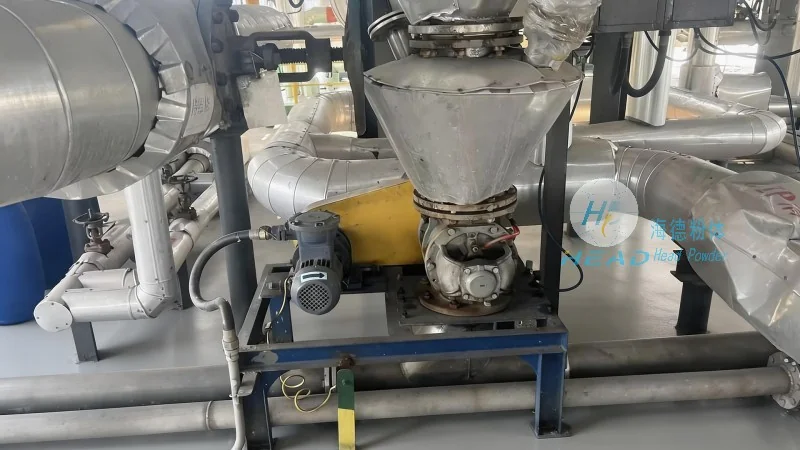
Principle of Aluminum Turnings Material Handling Equipment
The core principle of aluminum turnings material handling systems revolves around the efficient transfer and processing of aluminum turnings, which are typically produced as fine particles or small fragments during metalworking operations. These systems are engineered to handle the abrasive and lightweight nature of aluminum turnings, ensuring minimal wear on components while maximizing throughput. The equipment utilizes a combination of mechanical components such as conveyors, feeders, and sorting mechanisms to move the material from one stage of production to another. The design incorporates features like adjustable speed controls, material flow optimization, and protective enclosures to enhance safety and operational efficiency. By leveraging these principles, the system ensures consistent performance and reduces downtime, making it a critical component in aluminum processing facilities.
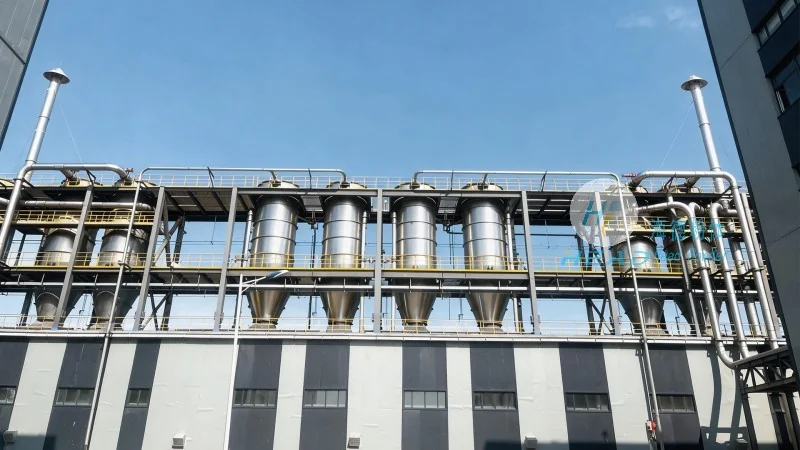
Working Scene Characteristics of Aluminum Turnings Material Handling Equipment
The operational characteristics of aluminum turnings material handling equipment are shaped by the specific demands of the aluminum industry. These systems are commonly employed in environments where aluminum turnings are generated in large volumes, such as foundries, machining centers, and recycling plants. The equipment is designed to handle high volumes of material, often operating continuously to meet production schedules. Key characteristics include high durability to withstand the abrasive nature of aluminum turnings, which can cause wear on conveyor belts and other components. Additionally, the systems are equipped with features like dust suppression and material separation to maintain a clean and safe working environment. The flexibility of these systems allows them to adapt to different production scales, from small-scale operations to large industrial plants. In industrial settings, the equipment is typically integrated with other processing machinery, such as crushers, classifiers, and storage silos, to form a comprehensive material handling solution. This integration ensures seamless material flow and improves overall production efficiency.
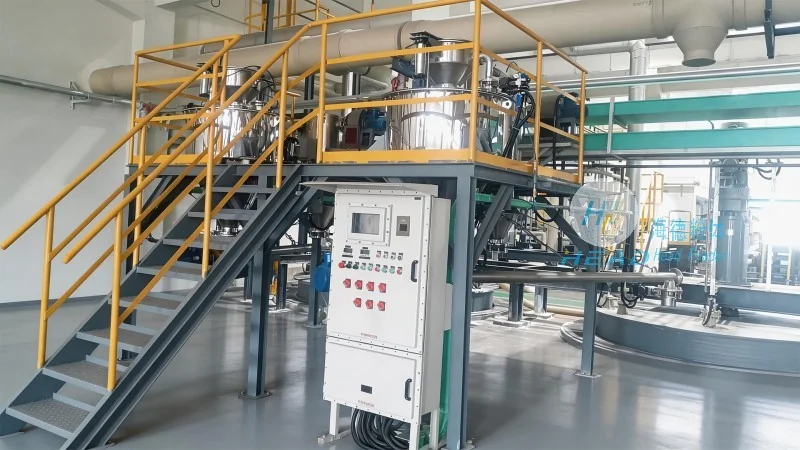
Application Scenarios and Operational Efficiency
Aluminum turnings material handling equipment is widely used in various application scenarios across the aluminum processing industry. In foundries, the equipment is essential for transporting molten aluminum turnings from casting machines to processing units, where they are further refined or recycled. In machining operations, the system helps collect and transport aluminum turnings generated during the cutting and grinding of aluminum components, preventing material loss and maintaining a clean workspace. The equipment is also utilized in recycling facilities, where it plays a crucial role in sorting and transporting aluminum turnings for reprocessing. The operational efficiency of these systems is a key factor in their success, as they help reduce labor costs and improve the overall productivity of the facility. By optimizing material flow and minimizing waste, the equipment contributes to cost savings and environmental sustainability. The design of the equipment, with its focus on durability and low maintenance, ensures that it can operate reliably over extended periods, even under demanding conditions.