

Principle and Working Scene Characteristics of Fine Sand Material Conveying Lines
HeadPowder, a leading engineering solutions provider based in Shandong, China, specializes in the design and implementation of advanced material handling systems tailored for various industrial applications. The company's expertise lies in optimizing the transportation of fine sand materials, which are critical in sectors such as construction, chemical processing, and mining. This article explores the fundamental principles underlying fine sand material conveying lines and highlights the key characteristics of their operational environments.

Principle of Fine Sand Material Conveying Lines
Fine sand material conveying lines operate on the principle of efficient bulk material transport using specialized equipment designed to handle fine, granular materials. The core components typically include a feeding mechanism, a conveyor system (such as belt conveyors or screw conveyors), and a control system to regulate the flow and speed of the material. The feeding mechanism ensures a consistent and controlled input of fine sand, preventing blockages and maintaining uniform material distribution. The conveyor system, often equipped with anti-stick or anti-jam features, moves the sand through the line while minimizing material loss and degradation. Advanced control systems, integrated with sensors and automation technologies, allow for real-time monitoring and adjustment of the conveying process, enhancing efficiency and safety.
Working Scene Characteristics of Fine Sand Material Conveying Lines
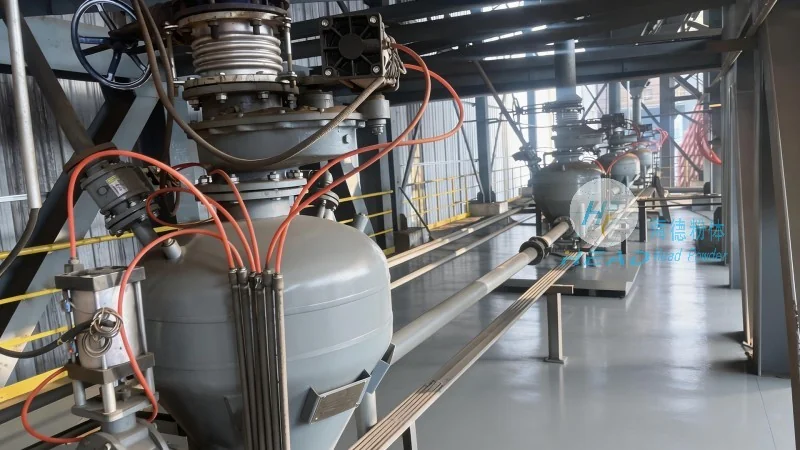
The operational environments of fine sand material conveying lines vary significantly based on the industry and specific application. In construction sites, these systems are commonly used for transporting sand from stockpiles to mixing stations or concrete production areas. The working scene is characterized by high-volume, continuous operation, with the need for durability and resistance to wear from abrasive fine sand particles. The equipment must withstand harsh conditions, including dust, moisture, and temperature fluctuations, while maintaining low maintenance costs and high reliability. In chemical processing plants, fine sand conveying lines are employed to transport sand-based raw materials or byproducts to processing units or storage facilities. The working scene here emphasizes precision and cleanliness, as fine sand particles can affect the quality of chemical products. The systems are often integrated with dust collection and filtration systems to comply with environmental regulations and ensure worker safety. In mining operations, fine sand material conveying lines are used to transport sand from extraction sites to processing plants or for reclamation purposes. The working scene is marked by heavy-duty requirements, with the equipment designed to handle large volumes of material and resist corrosion from mineral residues. The operational environment may also involve remote locations, requiring robust and self-contained systems capable of withstanding extreme weather conditions and limited access to maintenance.
Key Features and Advantages in Different Working Scenarios
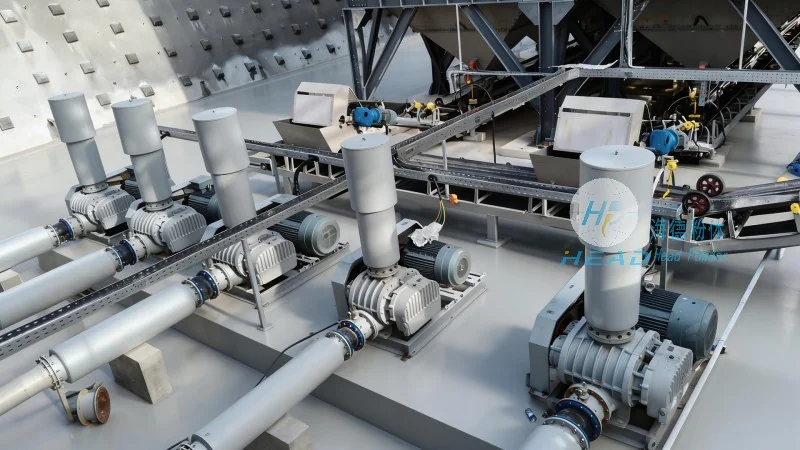
Across various working scenarios, fine sand material conveying lines exhibit several key features that enhance their performance and adaptability. One of the primary advantages is the ability to handle fine, cohesive materials without significant blockages, thanks to the design of the feeding and conveyor components. The anti-jam features, such as variable speed drives and adjustable feed rates, allow operators to adjust the system based on material characteristics and demand. Another critical feature is the integration of dust control measures, which is essential in environments where fine sand particles can cause respiratory hazards or environmental pollution. The systems often include enclosed conveyor sections and dust extraction systems to maintain a clean and safe working environment. Additionally, the modular design of many fine sand conveying lines enables easy installation and maintenance, reducing downtime and operational costs. In construction applications, the systems are designed to be compact and mobile, allowing for flexible placement at job sites. In industrial plants, the equipment is built for continuous, high-capacity operation, with features like automated start-up and shutdown sequences to optimize energy use and reduce labor requirements. The adaptability of these systems to different working scenarios underscores their importance in modern industrial operations, where efficient material handling is crucial for productivity and cost-effectiveness.