

Principle and Working Scene Characteristics of Flake Graphite Material Handling Systems
Flake graphite, a highly valued mineral known for its excellent electrical conductivity, thermal stability, and lubricating properties, is widely used in various industrial applications. The efficient and reliable transportation of flake graphite is crucial for optimizing production processes and ensuring product quality. This article explores the fundamental principles and operational characteristics of flake graphite material handling systems, highlighting their design, functionality, and typical application scenarios.
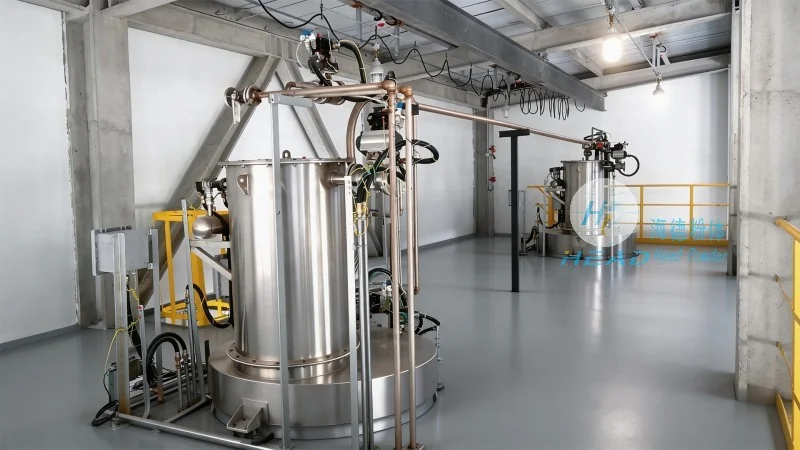
Core Principles of Flake Graphite Material Handling Systems
The operation of flake graphite material handling systems is based on several key principles that ensure safe, efficient, and consistent material transport. These systems are engineered to handle the unique physical properties of flake graphite, such as its high specific surface area and tendency to form aggregates or dust. The primary principles include:
1. Material Flow Control: Advanced control mechanisms are employed to regulate the flow rate and direction of flake graphite, preventing blockages and ensuring uniform distribution. This is achieved through the use of specialized valves, feeders, and conveyor systems designed to handle fine, powdery materials.
2. Prevention of Agglomeration: Flake graphite particles are prone to clumping, which can disrupt the flow and reduce material throughput. Systems incorporate anti-agglomeration features, such as vibration devices, air jets, or mechanical breakers, to maintain particle separation and prevent clogging.
3. Environmental Protection: Given the dust generation potential of flake graphite, systems are equipped with dust collection and filtration systems to comply with environmental regulations and protect operator health. This includes features like enclosed conveyor lines, dust extraction hoods, and air filtration units.
4. Energy Efficiency: Modern flake graphite material handling systems prioritize energy efficiency through the use of variable speed drives, optimized conveyor designs, and minimal energy consumption components. This not only reduces operational costs but also aligns with sustainable industrial practices.
Working Scene Characteristics and Application Scenarios
Flake graphite material handling systems are deployed in diverse industrial settings, each with specific requirements and operational characteristics. The following are common application scenarios and their associated features:
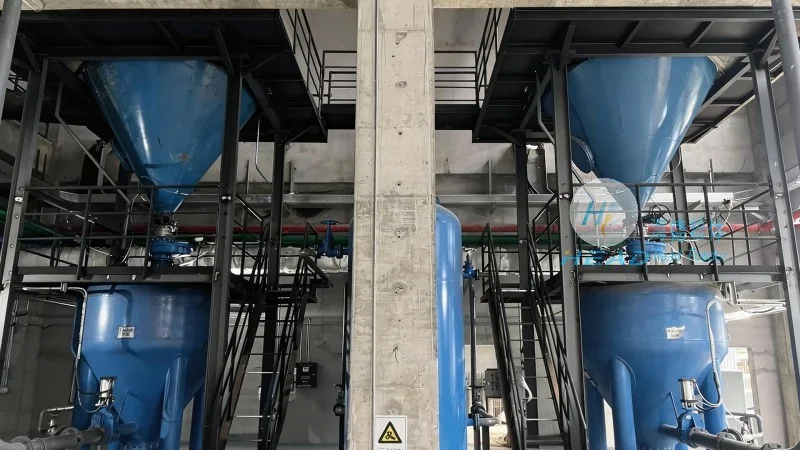
1. Mineral Processing Plants: In mining and processing facilities, these systems are used to transport raw flake graphite from extraction sites to processing units. The systems must handle large volumes of material and integrate with crushing, grinding, and classification equipment. The design emphasizes durability and high throughput to meet production demands.
2. Manufacturing and Production Lines: In industries where flake graphite is used as a raw material for products like lubricants, electrodes, or composites, material handling systems ensure a steady supply of the mineral to production lines. These systems often include automated feeding mechanisms and integration with quality control equipment to maintain product consistency.
3. Storage and Distribution Centers: For bulk storage and distribution of flake graphite, systems are designed to handle large quantities of material and facilitate loading/unloading operations. Features such as bulk storage silos, conveyor belts, and loading chutes are common, ensuring efficient inventory management and supply chain operations.
4. Research and Development Labs: In laboratory settings, flake graphite material handling systems are used for small-scale processing and sample preparation. These systems are typically compact, precise, and equipped with safety features to handle small quantities of material while maintaining accuracy and reproducibility.
Key Features and Advantages of HeadPowder's Systems
Shandong HeadPowder Engineering Co., Ltd., a leading provider of material handling solutions, offers advanced flake graphite material handling systems tailored to the unique needs of various industries. The company's products are designed with the following key features:
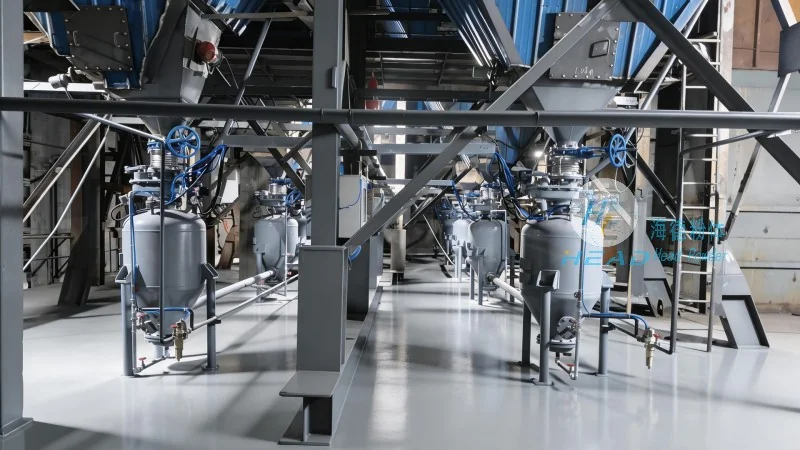
1. Customized Design: HeadPowder's systems are engineered to meet specific customer requirements, including material properties, production capacity, and operational environment. This ensures optimal performance and integration with existing infrastructure.
2. Robust Construction: Systems are constructed from high-quality materials, such as stainless steel and corrosion-resistant alloys, to withstand the abrasive and corrosive nature of flake graphite. This enhances durability and reduces maintenance needs.
3. Advanced Control Technology: The use of PLC (Programmable Logic Controller) and SCADA (Supervisory Control and Data Acquisition) systems enables precise control over material flow, speed, and direction. This improves operational efficiency and allows for real-time monitoring and adjustments.
4. Comprehensive Safety Measures: Safety is a top priority in HeadPowder's designs, with features like emergency stop buttons, overload protection, and dust explosion prevention systems. These measures ensure operator safety and compliance with safety regulations.
5. Environmental Compliance: All systems are designed to meet or exceed environmental standards, with integrated dust collection and filtration systems that minimize emissions and protect the environment.
Conclusion
Flake graphite material handling systems play a critical role in the efficient and safe transportation of this valuable mineral. By understanding the core principles and operational characteristics of these systems, industries can optimize their production processes, enhance product quality, and ensure compliance with environmental and safety regulations. Shandong HeadPowder Engineering Co., Ltd. continues to innovate in this field, providing reliable and efficient solutions that meet the evolving needs of the flake graphite industry.