

Common Sodium Carbonate Delivery Methods: A Comparison of Advantages and Disadvantages
When it comes to transporting sodium carbonate, selecting the right delivery method is crucial for ensuring efficiency, safety, and cost-effectiveness in industrial operations. Shandong HeadPowder Engineering Co., Ltd., a leading provider in the field, understands the importance of choosing the most suitable method based on specific operational requirements. This article provides a detailed comparison of common sodium carbonate delivery methods, highlighting their advantages and disadvantages to help businesses make informed decisions.
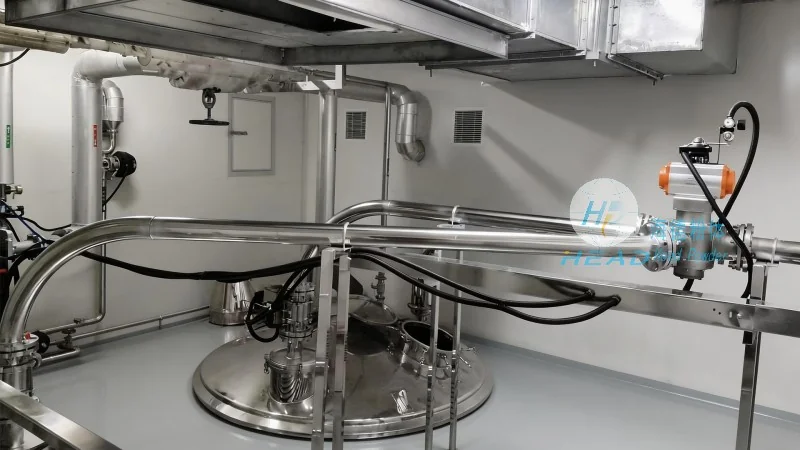
1. Pumping and Piping Systems: Efficiency and Control
Pumping sodium carbonate through dedicated piping systems is a widely adopted method, especially in industrial settings where continuous flow is required. This approach offers several advantages, including precise control over flow rates, consistent pressure management, and the ability to integrate with existing industrial infrastructure. The system can be designed to handle various concentrations and temperatures, making it versatile for different applications. However, it also has notable drawbacks. The initial investment in piping, pumps, and control systems can be substantial, and maintenance costs are higher compared to other methods. Additionally, there is a risk of corrosion in the pipes if the sodium carbonate solution is not properly treated, which may require regular inspections and replacements. For facilities with established piping networks, this method is often the most efficient, as it minimizes material handling and reduces the risk of spillage during transport.
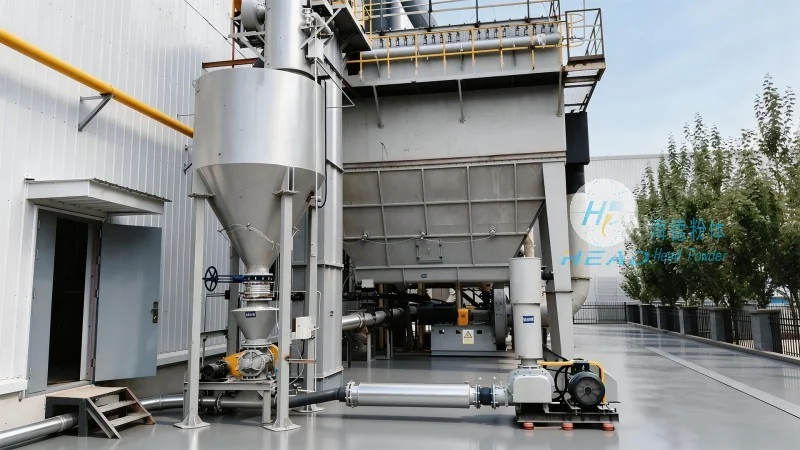
2. Bulk Tanker Trucks: Flexibility and Accessibility
Bulk tanker trucks are a popular choice for transporting sodium carbonate in bulk quantities, offering flexibility and accessibility to a wide range of locations. This method is particularly advantageous for businesses that need to deliver the product to multiple sites or remote areas where fixed infrastructure is limited. The trucks are equipped with specialized tanks that prevent leakage and ensure the product remains in a stable state during transit. One of the key benefits is the ability to transport large volumes in a single trip, reducing the number of deliveries needed and thus lowering overall transportation costs. However, bulk tanker trucks also have significant disadvantages. The process of loading and unloading can be time-consuming, and there is a higher risk of spillage or accidents during loading, especially if proper safety protocols are not followed. Furthermore, the trucks may require regular cleaning to prevent contamination from previous loads, adding to operational costs. The transportation time can also be longer compared to other methods, as the trucks must travel to and from the delivery sites.
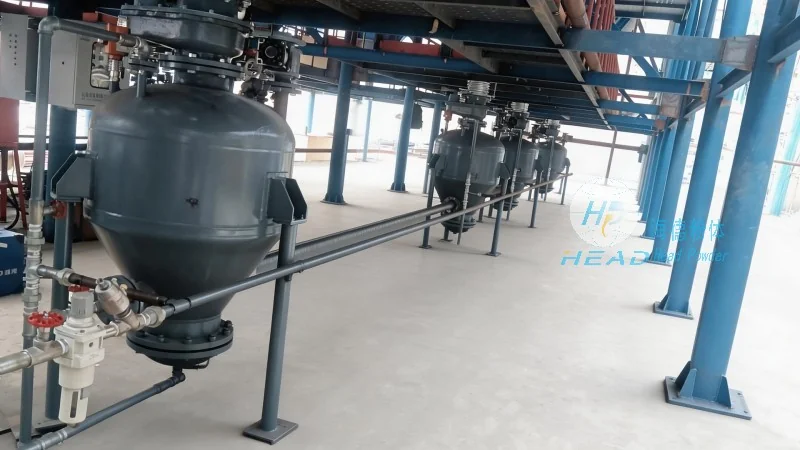
3. Bagged or Bulk Bags (FIBC): Portability and Storage
For smaller-scale operations or situations where on-site storage is required, bagged or bulk bags (Flexible Intermediate Bulk Containers, FIBC) are commonly used. This method involves packaging sodium carbonate in durable, reusable bags that can be easily handled and stored. The primary advantage is the ease of handling and storage, as the bags can be stacked and stored in warehouses or on-site storage areas without the need for complex infrastructure. This method is particularly useful for businesses that need to maintain inventory on-site and have limited access to dedicated piping systems. However, bulk bags have their own set of drawbacks. The bags are prone to damage from handling, which can lead to leaks or spills during loading, unloading, or storage. The material may also degrade over time if exposed to moisture or extreme temperatures, reducing the product's quality. Additionally, the initial cost of the bags can be higher compared to other packaging options, and the bags may need to be replaced frequently if they are not properly maintained. This method is generally more suitable for smaller quantities or for applications where the product needs to be stored on-site before use.
4. Containerized Shipping: Long-Distance and International Transport
In cases where sodium carbonate needs to be transported over long distances, either domestically or internationally, containerized shipping is the preferred method. This involves loading the product into standard shipping containers, which are then transported via trucks, trains, or ships. The main advantage of this method is its ability to handle large volumes efficiently and securely, with minimal risk of damage during transit. Containers are designed to protect the product from external factors such as moisture, temperature fluctuations, and physical impacts, ensuring that the sodium carbonate remains in optimal condition. Another key benefit is the flexibility of containerized transport, as containers can be easily transferred between different modes of transportation without the need for repackaging. However, containerized shipping also has significant disadvantages. The process of loading and unloading containers can be labor-intensive and time-consuming, especially for large quantities. There is also a higher risk of delays due to customs clearance, shipping schedules, or weather conditions, which can impact delivery timelines. The cost of containerized transport is generally higher compared to other methods, particularly for short distances or small volumes. This method is most suitable for businesses that need to transport large quantities over long distances or engage in international trade.
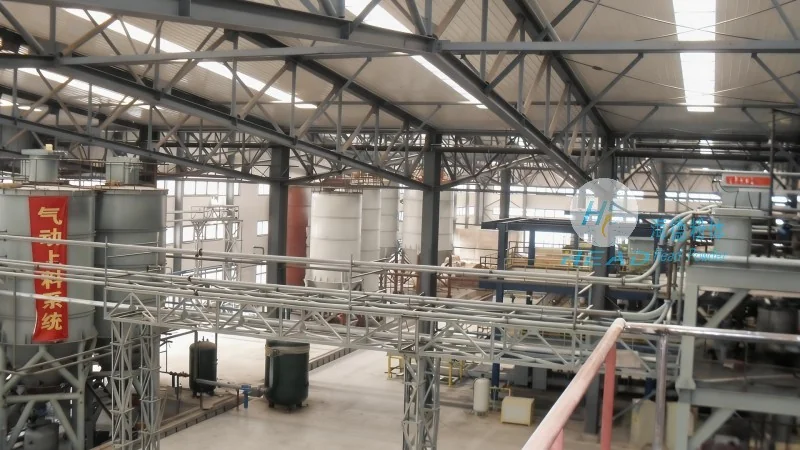
5. Comparing the Methods: Choosing the Right Approach
When selecting a sodium carbonate delivery method, businesses must consider several factors, including the volume of the product, the distance to the destination, the existing infrastructure, and the budget. Pumping and piping systems are ideal for continuous, high-volume operations with established infrastructure, offering efficiency and control. Bulk tanker trucks provide flexibility and are suitable for delivering large quantities to multiple sites, though they require careful handling to minimize risks. Bulk bags are convenient for smaller-scale operations or on-site storage, but they are more prone to damage and require regular maintenance. Containerized shipping is best for long-distance or international transport, offering security and flexibility but at a higher cost. Shandong HeadPowder Engineering Co., Ltd. recommends evaluating these factors carefully to determine the most suitable delivery method for each specific application. By understanding the advantages and disadvantages of each option, businesses can optimize their operations, reduce costs, and ensure the safe and efficient delivery of sodium carbonate.