

Principle and Working Scene Characteristics of Calcium Chloride Powder Conveying Equipment
Calcium chloride is a widely used chemical in various industrial applications, and the efficient handling of its powder form is crucial for maintaining production efficiency and safety. The calcium chloride powder conveying machine, developed by Shandong HeadPowder Engineering Co., Ltd., is a specialized equipment designed to address the unique challenges associated with transporting this hygroscopic and abrasive material. This article explores the fundamental principles behind the operation of such machines and highlights the key characteristics of their working environments.
Working Principle of Calcium Chloride Powder Conveying Machines
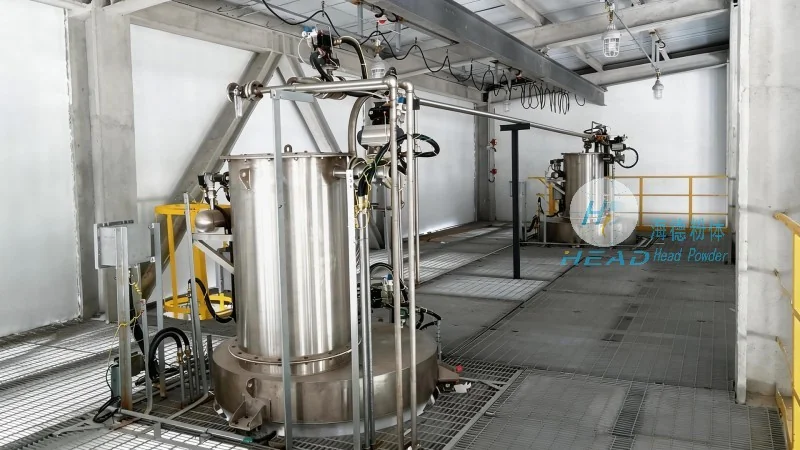
The core of a calcium chloride powder conveying machine lies in its ability to handle the material's physical properties, which include high moisture absorption and potential caking. The machine typically operates through a combination of mechanical and pneumatic systems. A common design involves a hopper that feeds the powder into a conveying tube, where air or a mixture of air and inert gas is used to create a fluidized or pneumatic flow. This method ensures that the calcium chloride particles are suspended and transported without sticking to the equipment surfaces. The system often includes a rotary valve or feeder at the inlet to control the flow rate, and a dust collector or filter at the outlet to manage airborne particles, ensuring compliance with environmental and safety standards.
Key Working Scene Characteristics
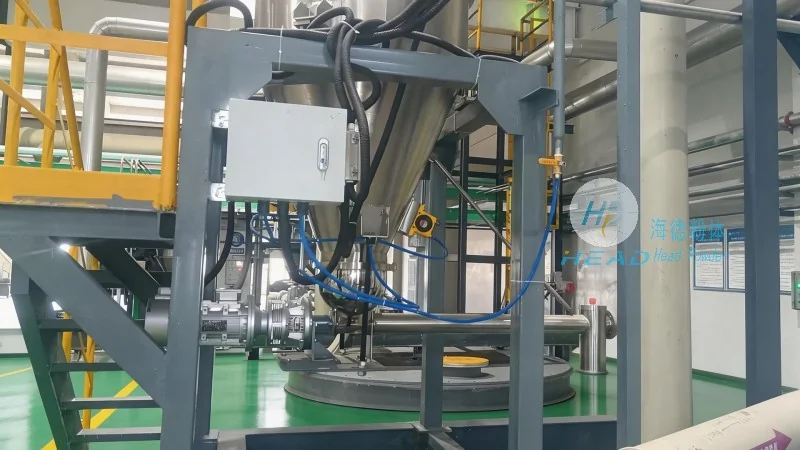
The operational environment of calcium chloride powder conveying machines is characterized by several factors that influence their design and performance. First, the material's hygroscopic nature means that the equipment must be designed to minimize exposure to ambient moisture, as this can lead to caking and blockages. Therefore, the machine's housing and internal components are often made from materials resistant to corrosion and moisture, such as stainless steel or specialized plastics. Second, the abrasive properties of calcium chloride can cause wear on the conveying components, particularly the tubes and valves. To mitigate this, the machine incorporates wear-resistant liners and high-quality seals, which extend the service life and reduce maintenance costs. Third, the working environment may involve high temperatures or dust concentrations, necessitating robust ventilation and filtration systems to protect both the equipment and the operators. Additionally, the machine's layout and integration into the production line are critical, as it must be compatible with existing storage and processing facilities, ensuring seamless material flow from storage silos to processing units.
Application Scenarios and Industry Integration
Calcium chloride powder conveying machines are employed in a variety of industrial settings where the material is used as a de-icing agent, in construction as a concrete admixture, or in food processing as a preservative. In de-icing applications, the machine is typically used to transport calcium chloride from storage tanks to spreaders on roads and highways, where it is applied to prevent ice formation. The equipment must be capable of handling large volumes of material quickly and reliably, especially during winter seasons when demand is high. In construction, the machine is integrated into concrete mixing plants, where it is added as an accelerator to enhance the setting time and strength of concrete. The precise control of the conveying rate is essential here to ensure consistent concrete quality. In food processing, the machine is used to transport calcium chloride from bulk storage to processing lines, where it is incorporated into products like cheese and beverages. The machine's ability to maintain product purity and prevent contamination is paramount in this sector.
Advantages and Operational Considerations
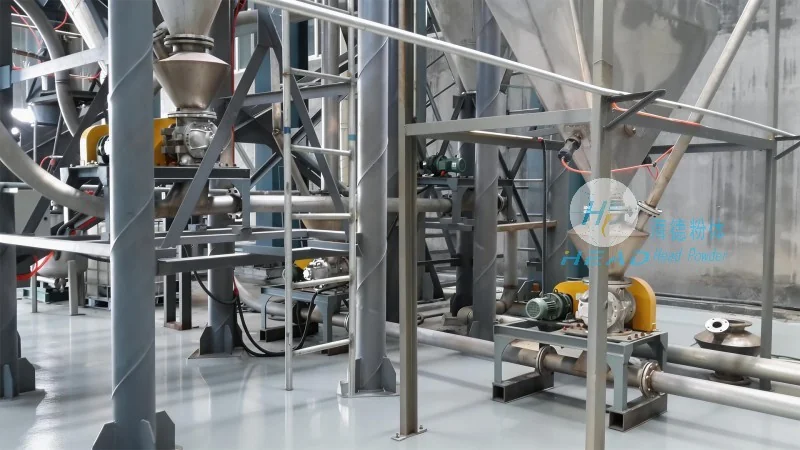
Using a specialized calcium chloride powder conveying machine offers several advantages over traditional methods, such as manual handling or bucket elevators. The primary benefit is the reduction in labor costs and the improvement in safety, as the equipment minimizes direct human contact with the material. Additionally, the machine's automated control systems allow for precise dosage and consistent material flow, which enhances the quality of the final product. From an operational perspective, the machine requires regular maintenance to ensure optimal performance. This includes checking the condition of the conveying tubes, replacing worn-out seals, and cleaning the dust collection system. Proper training of operators is also essential to handle any potential issues, such as clogging or equipment failure, which can be caused by the material's tendency to cake or the abrasive nature of the particles.