

Principles and Working Scene Characteristics of Metallurgical Coke Powder Conveying Lines
HeadPowder, a leading engineering firm headquartered in Shandong, China, specializes in the design and implementation of advanced powder conveying systems tailored for the metallurgical industry. The company's expertise lies in developing efficient and reliable solutions for transporting metallurgical coke powder, a critical raw material in steel production processes. This article explores the fundamental principles of metallurgical coke powder conveying lines and highlights the key characteristics of their operational environments.
Core Principles Underpinning Metallurgical Coke Powder Conveying Systems
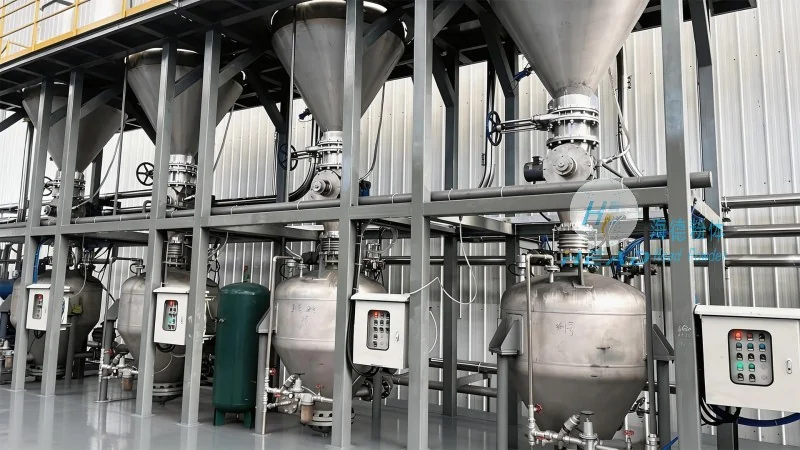
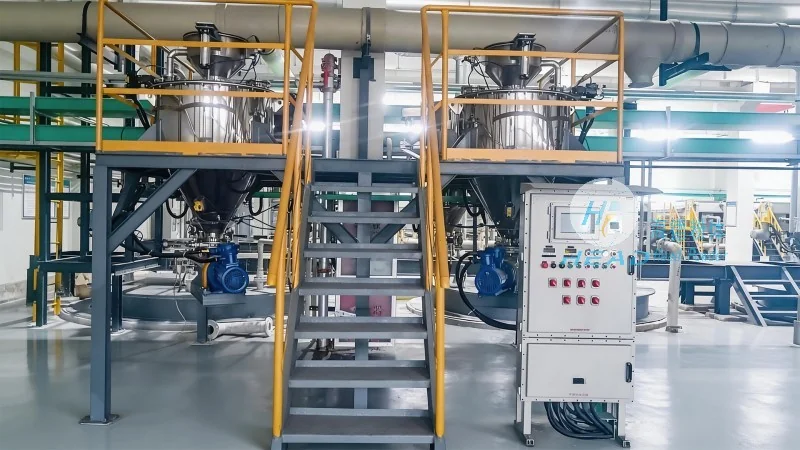
The operation of metallurgical coke powder conveying lines is built upon a combination of mechanical engineering principles and material handling technologies. At its core, these systems are engineered to transport coke powder from storage silos or production units to processing equipment with minimal loss, contamination, and energy consumption. The primary components of such systems typically include feeders, conveyors (such as screw, pneumatic, or belt conveyors), dust control systems, and control panels. Each component is meticulously engineered to ensure seamless integration and optimal performance under varying operational conditions. The feeders, often rotary or vibratory types, regulate the flow of coke powder from the source, preventing overloading and maintaining consistent feed rates. Conveyors then transport the material through pipelines or open channels, while dust control mechanisms, such as cyclones or bag filters, mitigate airborne particulate emissions, ensuring compliance with environmental regulations and workplace safety standards. Control panels, equipped with sensors and automation software, monitor and adjust the system's parameters in real-time, enhancing operational efficiency and reducing downtime.
Distinct Working Scene Characteristics of Metallurgical Coke Powder Conveying Lines
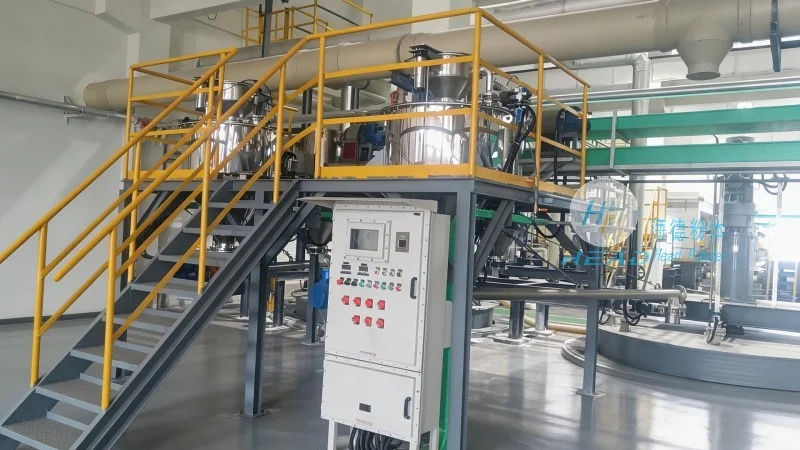
The operational environments of metallurgical coke powder conveying lines are characterized by several distinct features that influence system design and performance. Firstly, the material itself—metallurgical coke powder—possesses unique properties, including high abrasiveness, variable particle size distribution, and potential moisture content. These characteristics necessitate the use of robust and wear-resistant equipment to prevent premature failure and maintain system longevity. Secondly, the industrial settings where these systems are deployed are often large-scale, with multiple interconnected processes. This requires the conveying lines to be integrated seamlessly with existing infrastructure, ensuring compatibility with other machinery and facilitating smooth workflow. Thirdly, the systems operate under high throughput demands, often handling large volumes of coke powder at high speeds. This necessitates the selection of high-capacity components, such as large-diameter pneumatic pipelines or high-torque screw conveyors, to meet production requirements without compromising efficiency. Additionally, the working environments are typically characterized by high temperatures and dust levels, which demand specialized materials and protective measures to safeguard equipment and personnel. For instance, conveyor belts may be made from heat-resistant and abrasion-resistant materials, while dust collection systems are designed to handle high volumes of particulate matter. Finally, the systems must adhere to strict safety and environmental regulations, which further shapes their design and operational protocols. This includes features like explosion-proof components for pneumatic systems and regular maintenance schedules to prevent accidents and ensure compliance.
Application Scenarios and Industry Integration
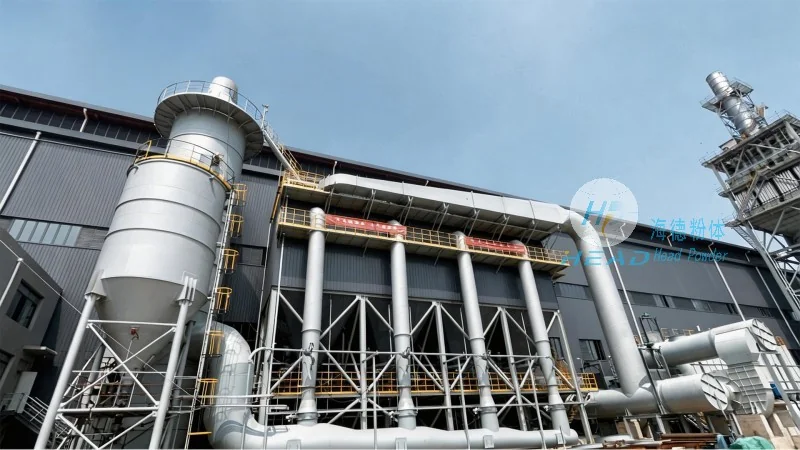
Metallurgical coke powder conveying lines are widely utilized in various stages of steel production, from raw material handling to intermediate processing. In the steelmaking process, coke powder is transported from storage facilities to blast furnaces or sintering plants, where it serves as a fuel and reducing agent. The efficiency of the conveying system directly impacts the overall productivity of the steel plant, as delays or disruptions in coke supply can lead to production bottlenecks. Moreover, in coke production facilities, these systems are employed to transport coke powder from crushing and screening units to storage silos or downstream processing equipment. The reliability of the conveying line is crucial here, as it ensures a consistent supply of processed coke for further use. The working scene characteristics, such as high abrasiveness and dust generation, are particularly pronounced in these applications, requiring specialized solutions like high-capacity screw conveyors with wear-resistant liners and advanced dust control systems. In summary, metallurgical coke powder conveying lines are integral to the efficient operation of the metallurgical industry, and their design must account for the unique challenges posed by the material and the industrial environment. By adhering to robust engineering principles and incorporating advanced technologies, these systems enable seamless material handling, enhance operational safety, and contribute to the overall productivity of steel production facilities.