

Principle and Working Scene Characteristics of Barley Malt Powder Handling Equipment
Barley malt powder handling equipment plays a crucial role in the modern brewing industry, where efficient and reliable material transport is essential for maintaining production efficiency and product quality. This equipment is specifically designed to handle the unique properties of barley malt, such as its fine particle size, moisture content, and potential for dust generation. Understanding the underlying principles and operational characteristics of these systems is vital for optimizing their performance in various industrial settings.
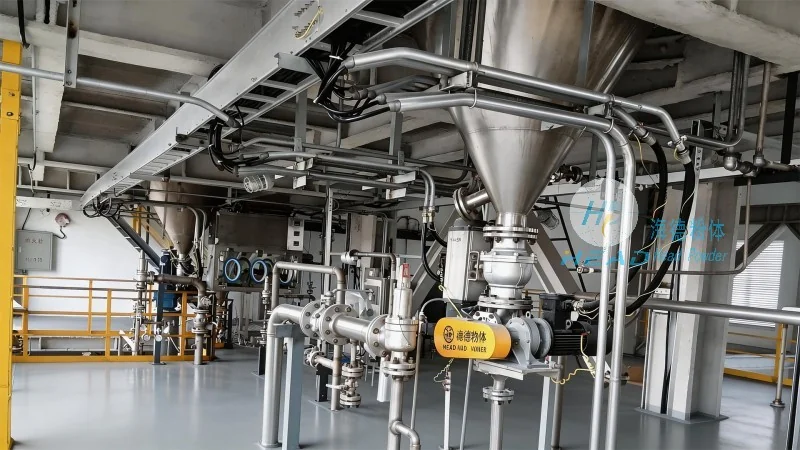
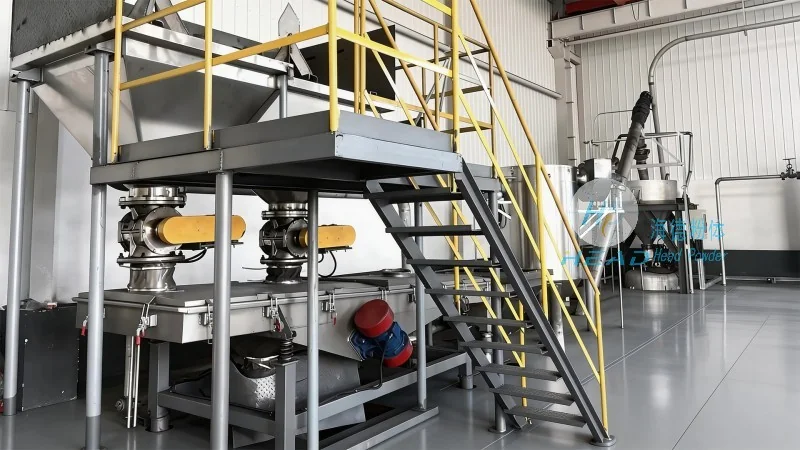
Principle of Barley Malt Powder Handling Equipment
The core principle of barley malt powder handling equipment revolves around the use of mechanical and pneumatic systems to transport dry powders. These systems are engineered to address the challenges posed by malt powder, including its tendency to agglomerate, clog pipes, and create dust hazards. The equipment typically incorporates components like feeders, conveyors, and dust collection systems to ensure smooth and safe operation. For instance, rotary feeders are commonly used to control the flow rate of malt powder, while pneumatic conveyors utilize air pressure to move the material through pipelines. The design often includes features such as variable speed drives and adjustable discharge mechanisms to adapt to different production demands. By integrating these elements, the equipment ensures consistent and controlled movement of the powder, minimizing the risk of blockages and ensuring a steady supply to downstream processes.
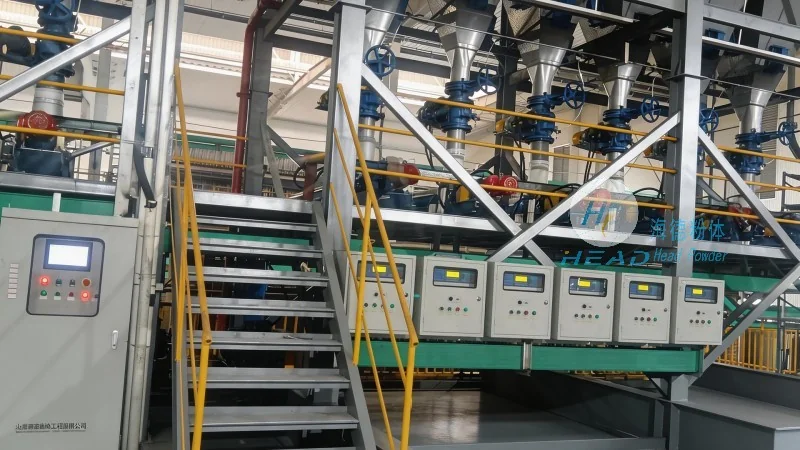
Working Scene Characteristics of Barley Malt Powder Handling Equipment
The operational characteristics of barley malt powder handling equipment vary significantly based on the specific application and industrial environment. In large-scale breweries, these systems are often integrated into automated production lines, where they work in tandem with other machinery like malt mills and mash kettles. The equipment is designed to handle high volumes of malt powder, with some models capable of processing several tons per hour. In such scenarios, the focus is on reliability and durability, as downtime can lead to significant production losses. Additionally, the equipment must be compatible with existing infrastructure, including existing pipelines and control systems. For smaller-scale operations, such as craft breweries or pilot plants, the equipment may be more compact and flexible, allowing for easier integration into existing setups. The working scene characteristics also include considerations for space constraints, as many breweries operate in confined spaces, requiring equipment that can be installed in tight areas without compromising performance. Furthermore, the equipment must meet safety standards, particularly regarding dust explosion prevention, as malt powder is a combustible material. This is achieved through the use of explosion-proof motors and proper ventilation systems.
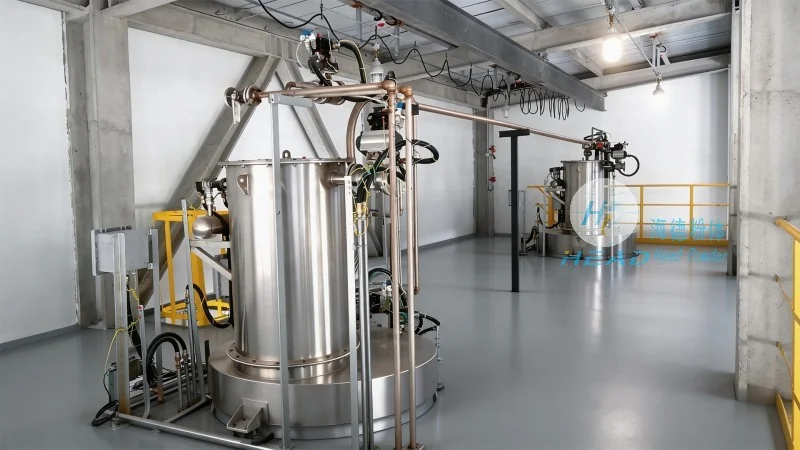
Company Information and Expertise
Shandong HeadPowder Engineering Co., Ltd., operating under the brand name headpowder, specializes in the design, manufacturing, and supply of advanced powder handling solutions tailored for the food and beverage industry. With a strong focus on innovation and customer-centric approaches, the company has established itself as a leading provider of reliable and efficient equipment for handling barley malt and other fine powders. HeadPowder's products are engineered to meet the stringent requirements of modern breweries, ensuring high performance, low maintenance, and long service life. The company's headquarters is located in Shandong, China, where it leverages local manufacturing capabilities and expertise to deliver high-quality solutions to clients worldwide. By combining technical expertise with practical experience, headpowder helps breweries optimize their material handling processes, reduce operational costs, and enhance overall productivity.