

Principle and Working Scene Characteristics of Heptahydrate Magnesium Sulfate Powder Conveying Syste
HeadPowder, a leading engineering company based in Shandong, China, specializes in the design and implementation of advanced powder conveying systems. This article focuses on the heptahydrate magnesium sulfate powder conveying system, detailing its operational principles and typical application scenarios. The system is engineered to efficiently handle the unique properties of heptahydrate magnesium sulfate, ensuring reliable and safe material transport in industrial settings.
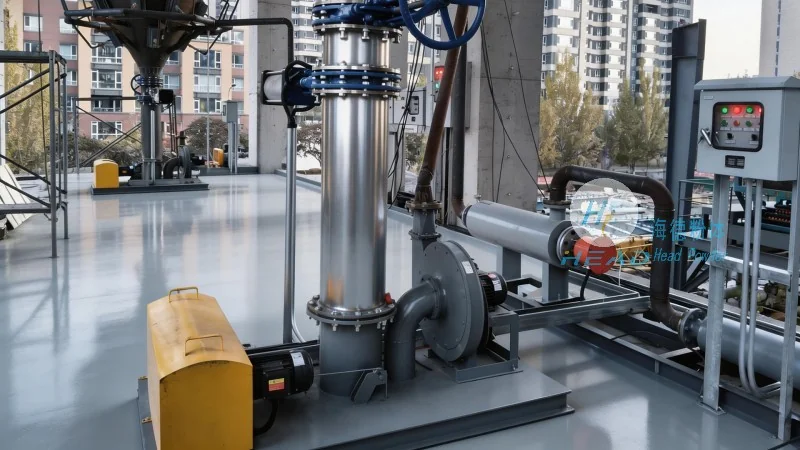
Company Profile and Expertise
HeadPowder Engineering Co., Ltd. is a professional manufacturer and supplier of powder handling solutions. With a strong presence in Shandong, China, the company leverages decades of experience in chemical engineering and material science to develop customized conveying systems tailored to specific industrial needs. The company’s commitment to quality and innovation has positioned it as a trusted partner for businesses requiring efficient and reliable powder transport solutions.
Introduction to Heptahydrate Magnesium Sulfate
Heptahydrate magnesium sulfate, also known as Epsom salt, is a common chemical compound used in various industrial applications, including pharmaceuticals, agriculture, and water treatment. Its crystalline structure and hygroscopic nature present unique challenges in powder handling. The conveying system designed for this material must address issues such as dust generation, caking, and moisture sensitivity to maintain product integrity and operational efficiency.
Principle of the Powder Conveying System
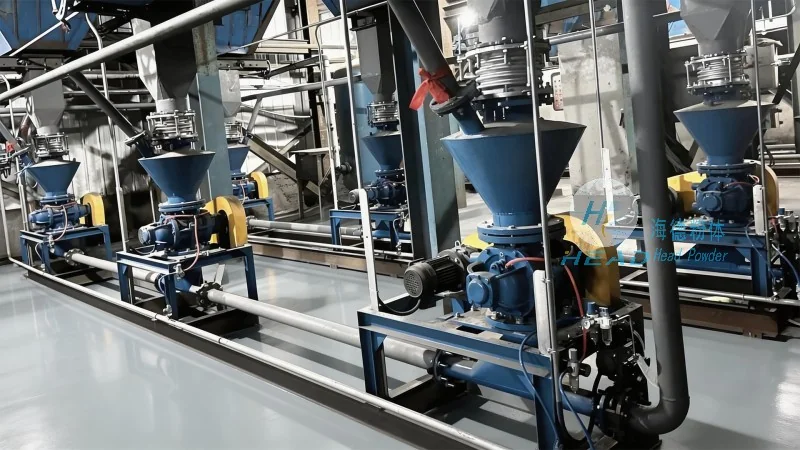
The heptahydrate magnesium sulfate powder conveying system operates on the principle of pneumatic or mechanical transport, depending on the specific requirements of the application. Pneumatic conveying systems use compressed air to move the powder through a network of pipes, while mechanical systems employ screw conveyors or belt conveyors. The system incorporates several key components, including a hopper for material storage, a feeder to control the flow rate, a conveying line, and a receiver for the discharged material. Each component is designed to minimize material degradation and ensure smooth operation.
Key Components and Their Functions
The hopper is typically equipped with a discharge valve to regulate the flow of heptahydrate magnesium sulfate into the feeder. The feeder, often a rotary valve or a vibratory feeder, ensures a consistent and controlled feed rate, preventing overloading or underfeeding of the conveying system. The conveying line, made of corrosion-resistant materials such as stainless steel or polyethylene, is designed to handle the hygroscopic nature of the powder and prevent moisture absorption. The receiver, usually a storage tank or a discharge bin, collects the material at the end of the conveying line, maintaining a stable pressure and preventing dust emission.
Working Scene Characteristics
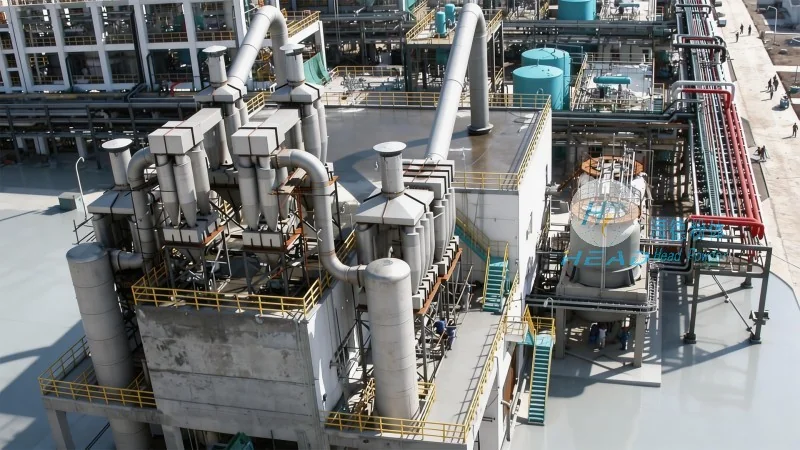
The heptahydrate magnesium sulfate powder conveying system is commonly used in industrial environments where large quantities of the material need to be transported over short or medium distances. Typical applications include pharmaceutical manufacturing, where the material is used as an excipient or raw material, and agricultural processing, where it is used as a fertilizer or soil amendment. The system’s design allows for integration into existing production lines, minimizing downtime and enhancing overall operational efficiency.
Advantages of the System
Implementing a specialized powder conveying system for heptahydrate magnesium sulfate offers several advantages. Firstly, it reduces dust generation, improving workplace safety and compliance with environmental regulations. Secondly, it minimizes material loss and degradation, ensuring that the product remains in its original state throughout the transport process. Thirdly, the system’s automated control features allow for precise flow regulation, reducing the need for manual intervention and improving operational consistency. Finally, the system’s modular design enables easy maintenance and scalability, adapting to changes in production volume or process requirements.
Conclusion
HeadPowder Engineering Co., Ltd. provides comprehensive solutions for heptahydrate magnesium sulfate powder conveying, combining advanced engineering with practical application knowledge. The system’s design addresses the unique challenges of handling this hygroscopic material, ensuring efficient, safe, and reliable transport. By leveraging the company’s expertise and customized solutions, industries can enhance their production processes and maintain product quality. For businesses in Shandong, China, and beyond, HeadPowder offers a reliable partner in optimizing powder handling operations.