

Principles and Application Scenarios of PVC Powder Conveying
When it comes to handling and transporting polyvinyl chloride (PVC) powder, understanding the underlying principles and the specific characteristics of different working environments is crucial for ensuring efficiency, safety, and cost-effectiveness in industrial operations. PVC powder, a widely used thermoplastic polymer, presents unique challenges during material handling due to its properties such as moisture sensitivity, particle size distribution, and flow characteristics. Proper conveying systems are essential to maintain product integrity and minimize operational disruptions.
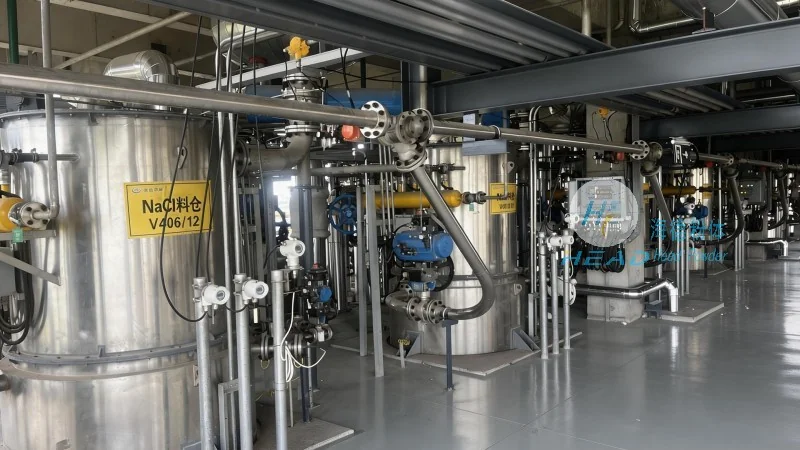
PVC Powder Conveying Principles: An Overview
The core principle of PVC powder conveying revolves around the effective transfer of bulk materials from one location to another without degradation or loss. Two primary methods dominate the industry: pneumatic conveying and mechanical conveying. Pneumatic systems utilize air or other gases to move particles through pipelines, while mechanical systems rely on screw conveyors, belt conveyors, or bucket elevators to transport materials. For PVC powder, pneumatic conveying is often preferred due to its ability to handle fine particles and minimize contamination. The selection of a conveying method depends on factors like material characteristics, distance, and required throughput. For instance, low-pressure systems are suitable for short distances and moderate flow rates, whereas high-pressure systems are used for longer distances and higher capacities.
Key Working Scene Characteristics of PVC Powder Conveying
Understanding the working scene characteristics is vital for designing an optimal conveying system. The following aspects are particularly relevant:
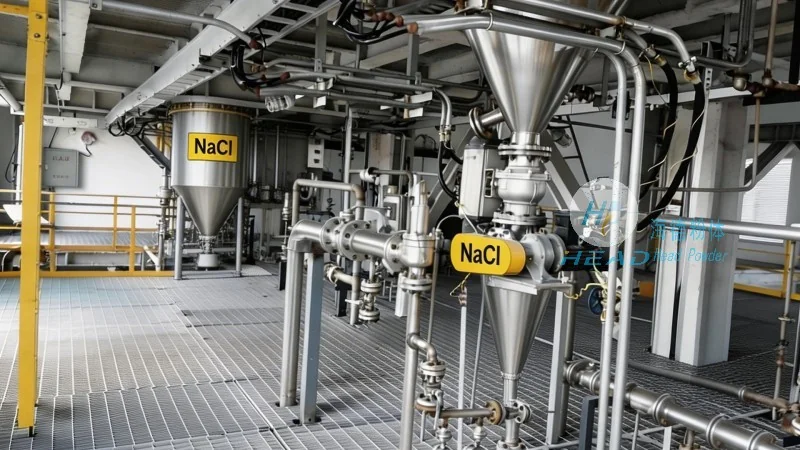
1. **Material Properties and Flowability**: PVC powder can exhibit cohesive or non-cohesive behavior depending on moisture content and particle size. Cohesive powders may require additional measures like vibration or air knives to prevent blockages. The flowability index, measured by the Carr's method, helps determine the suitability of different conveying technologies. For highly cohesive powders, screw conveyors with variable speed drives may be more effective than pneumatic systems.
2. **Environmental Conditions**: The operating environment, including temperature, humidity, and dust levels, impacts the choice of equipment. For example, in high-humidity areas, moisture control is critical to prevent PVC powder from clumping. Enclosed systems with proper ventilation are often employed to maintain consistent conditions. Additionally, dust control measures, such as filtration systems, are essential to comply with occupational health and safety regulations.
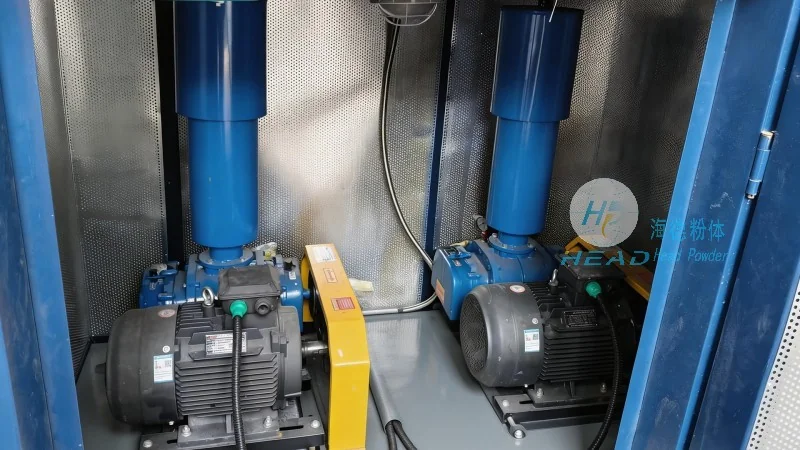
3. **Process Integration**: PVC powder conveying is frequently integrated with other industrial processes, such as mixing, compounding, or packaging. The conveying system must be compatible with upstream and downstream equipment to ensure seamless material flow. For instance, in a PVC compounding plant, the conveying system may need to feed a mixer at a controlled rate, requiring precise control mechanisms like variable frequency drives.
HeadPowder: Expertise in PVC Powder Conveying Solutions
Shandong HeadPowder Engineering Co., Ltd., commonly known as HeadPowder, is a leading provider of specialized engineering solutions for bulk material handling, with a focus on PVC powder conveying. HeadPowder has extensive experience in designing and implementing customized conveying systems tailored to the unique needs of clients in various industries. The company's team of engineers leverages advanced technology and industry best practices to deliver efficient, reliable, and cost-effective solutions.
HeadPowder's approach to PVC powder conveying involves a comprehensive analysis of the client's operational requirements, including material properties, process flow, and environmental constraints. By understanding the specific challenges of each application, HeadPowder can recommend the most appropriate conveying method and equipment. For example, in a PVC manufacturing facility, HeadPowder may propose a combination of pneumatic and mechanical systems to handle both fine and coarse powders, ensuring optimal performance and minimal downtime.
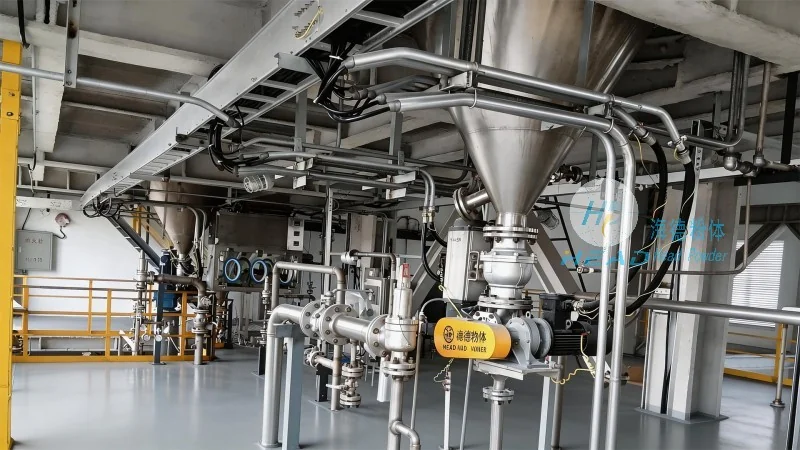
Case Studies and Real-World Applications
HeadPowder has successfully implemented PVC powder conveying systems in a wide range of industrial settings. One notable case involves a large-scale PVC production plant in China, where the company designed a high-capacity pneumatic conveying system to transport raw PVC powder from storage silos to processing lines. The system was engineered to handle high volumes of material while maintaining low maintenance costs and minimal product degradation. Another application includes a PVC compounding plant in Europe, where HeadPowder installed a screw conveyor system with integrated dust control to feed a mixing unit. The system improved the plant's productivity by reducing material handling time and enhancing process consistency.
Conclusion: Optimizing PVC Powder Conveying for Industrial Success
In conclusion, the principles and working scene characteristics of PVC powder conveying play a critical role in the efficiency and success of industrial operations. By understanding the unique properties of PVC powder and the specific requirements of different working environments, businesses can select and implement the most suitable conveying systems. HeadPowder, with its expertise and commitment to quality, offers reliable solutions that help clients optimize their PVC powder handling processes, ensuring consistent performance and long-term operational success.