

Principle and Working Scene Characteristics of Pneumatic Conveying Systems for Lithium-Ion Battery P
Shandong HeadPowder Engineering Co., Ltd., commonly known as HeadPowder, is a professional manufacturer specializing in the design, development, and installation of pneumatic conveying systems tailored for lithium-ion battery electrode materials. With a focus on precision and efficiency, the company serves the evolving needs of the battery manufacturing industry, particularly in the handling of positive and negative electrode powders. HeadPowder is headquartered in Shandong, China, and has established itself as a key player in providing advanced material handling solutions for high-tech battery production lines.
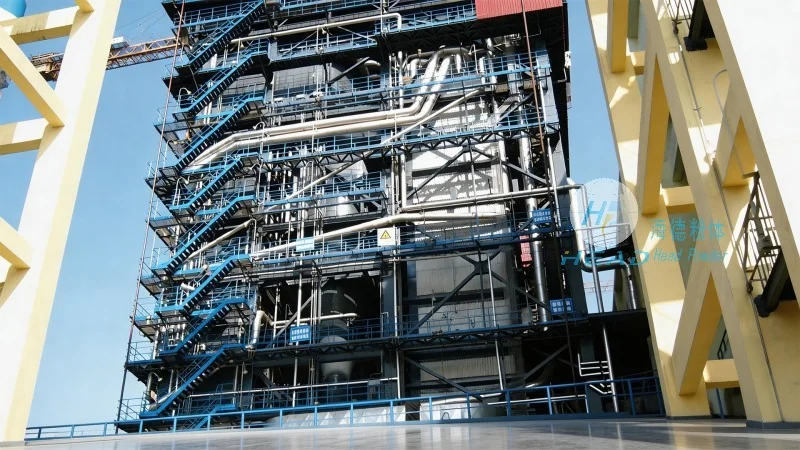
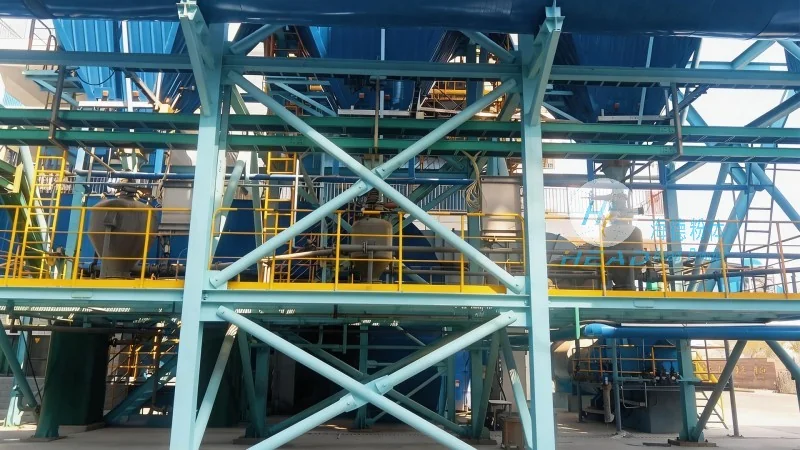
Principle of Pneumatic Conveying Systems for Battery Electrode Materials
Pneumatic conveying systems operate by transporting bulk materials through a pipeline using pressurized or vacuum air. In the context of lithium-ion battery positive and negative electrode materials, these systems are engineered to handle powders with specific properties such as high purity, fine particle size, and sensitivity to moisture or contamination. The core principle involves creating a flow of air that propels the material through the system, ensuring minimal degradation and consistent quality. There are two primary types of pneumatic conveying: pressure and vacuum. Pressure systems use compressed air to push material from a source to a destination, while vacuum systems draw material using a vacuum pump. For battery electrode materials, pressure systems are often preferred due to their ability to handle high material loads and maintain consistent flow rates, which is critical for maintaining the integrity of the powders.
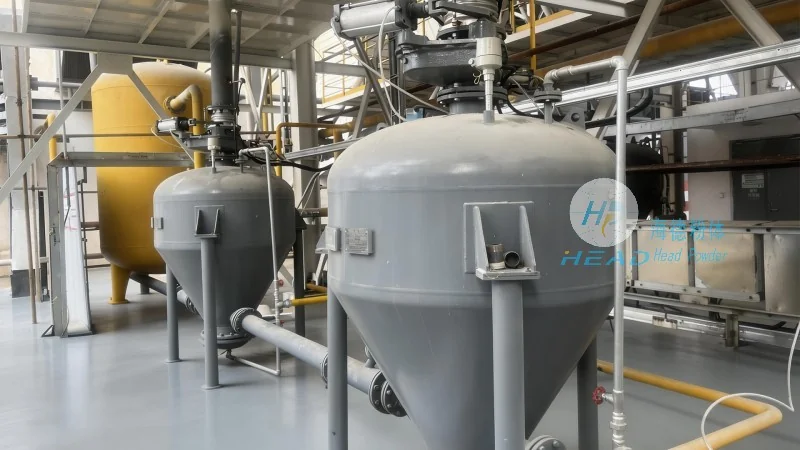
Working Scene Characteristics of Pneumatic Conveying Systems
The working scene characteristics of pneumatic conveying systems for lithium-ion battery electrode materials are defined by their integration into automated production lines and the specific requirements of the battery manufacturing process. These systems are typically deployed in environments where material handling needs to be seamless, efficient, and safe. Key characteristics include: 1. **Automated Material Transfer**: The systems are designed to integrate with existing production lines, enabling automated transfer of electrode powders from raw material storage to mixing, coating, and cell assembly stages. This reduces manual handling, minimizes human error, and enhances production throughput. 2. **Space Efficiency**: Pneumatic conveying systems are compact and can be installed in confined spaces within battery manufacturing facilities, making them suitable for modern, space-constrained production environments. 3. **Material Protection**: The systems are engineered to protect the delicate properties of battery electrode powders from exposure to air, moisture, and physical damage. This is achieved through sealed pipelines, controlled air flow, and minimal material residence time, ensuring that the powders remain in their optimal state for battery production. 4. **Scalability and Flexibility**: The systems can be scaled to accommodate varying production volumes and can be adapted to different material types, including different grades of positive and negative electrode materials. This flexibility allows manufacturers to adjust their material handling processes as their production needs evolve. 5. **Safety and Compliance**: Pneumatic conveying systems are designed with safety features to prevent dust explosions and ensure compliance with industrial safety regulations. This includes explosion-proof designs, proper ventilation, and material containment measures, which are critical in handling potentially hazardous materials like lithium compounds.
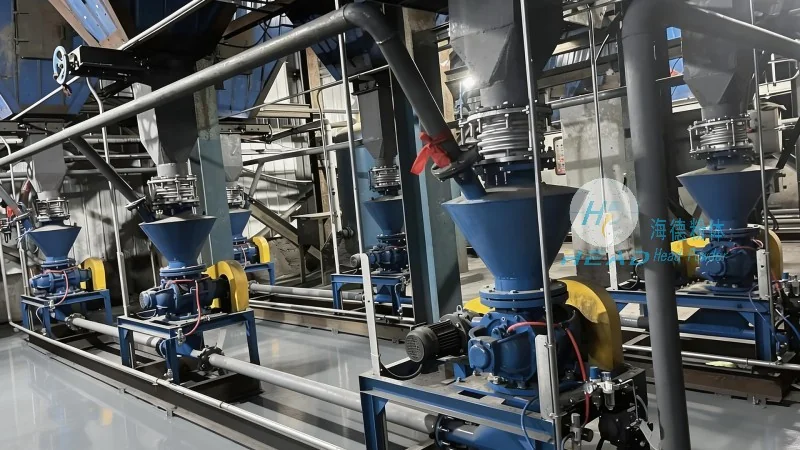
Application and Performance in Battery Manufacturing
The pneumatic conveying systems developed by Shandong HeadPowder Engineering Co., Ltd. are specifically tailored to meet the stringent requirements of lithium-ion battery production. These systems are capable of handling a wide range of electrode materials, including but not limited to nickel-cobalt-manganese (NCM) and lithium iron phosphate (LFP) positive electrode powders, as well as graphite and silicon-based negative electrode powders. The systems are designed to maintain the purity and particle size distribution of these materials, which are critical factors in determining the performance and lifespan of the final battery products. Performance metrics such as material flow rate, system efficiency, and energy consumption are optimized to ensure cost-effective and sustainable operation. The integration of advanced control systems allows for real-time monitoring and adjustment of the conveying process, further enhancing operational reliability and reducing downtime. In summary, the pneumatic conveying systems from HeadPowder provide a reliable, efficient, and safe solution for the material handling needs of lithium-ion battery manufacturers, supporting the production of high-quality battery products.