

Principle and Working Scene Characteristics of Sand Particle Pneumatic Conveying Systems
For industries dealing with sand particles, efficient material handling is crucial. Pneumatic conveying systems offer a reliable solution to transport sand and other fine granular materials over varying distances. This article explores the fundamental principles behind these systems and highlights key working scene characteristics that make them suitable for diverse applications.
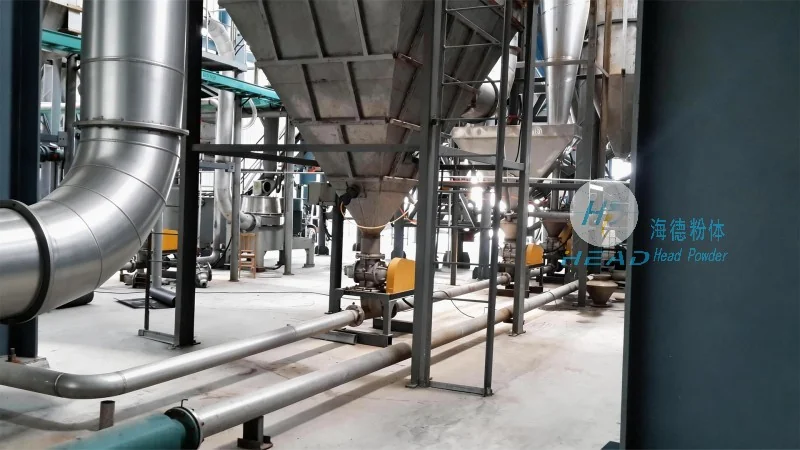
The Core Principle of Pneumatic Conveying
The operation of a sand particle pneumatic conveying system is based on the movement of material through a pipeline using air or gas as the conveying medium. Unlike mechanical systems that rely on belts, buckets, or screws, pneumatic systems utilize pressure differentials to propel the material. In a typical setup, a blower or compressor generates airflow that draws the sand particles into the inlet of the conveying line. The air-sand mixture then travels through the pipeline, with the velocity of the air ensuring the particles remain suspended and transported to the discharge point. The system's design, including the type of airlock, cyclone separator, and pressure control, is critical to maintaining efficient and consistent material flow.
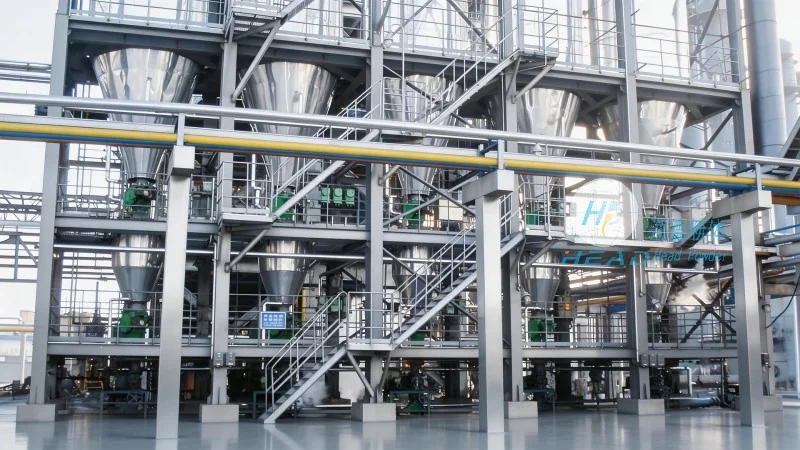
Key Working Scene Characteristics
The suitability of pneumatic conveying systems for sand particles is defined by several working scene characteristics. First, the system's ability to handle abrasive materials like sand is enhanced by the use of high-quality materials for the pipeline and components, such as stainless steel or specialized coatings. This prevents wear and ensures long-term operational reliability. Second, the flexibility in system layout is a significant advantage, as pneumatic systems can be configured to follow complex routes, including vertical lifts and horizontal turns, without the need for additional mechanical components. Third, the system's ability to maintain a clean and dust-free environment is crucial, especially in applications where contamination must be minimized. The use of sealed conveying lines and efficient filtration systems helps achieve this, making the system ideal for industries like construction, mining, and manufacturing where sand is a primary raw material.
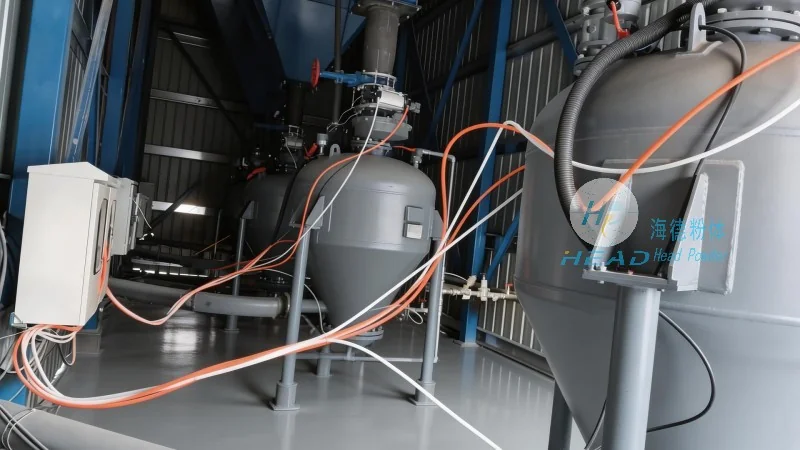
Applications and Operational Scenarios
Pneumatic conveying systems for sand particles are widely used in various operational scenarios. In construction sites, these systems are employed to transport sand from storage silos to mixing plants or concrete batching facilities, ensuring a continuous and controlled supply of material. In mining operations, the systems help move sand from processing plants to storage areas or for further processing, supporting the efficient extraction and utilization of resources. Additionally, in manufacturing industries, such as glass production or foundries, pneumatic conveying is used to transport sand for mold filling or as a raw material in the production process. Each of these scenarios benefits from the system's ability to handle abrasive materials, maintain consistent flow rates, and minimize downtime due to maintenance or material blockages.
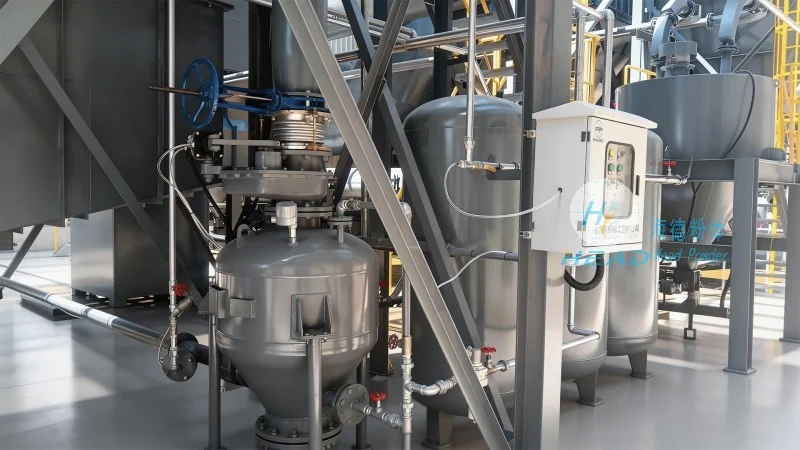
About Shandong HeadPowder Engineering Co., Ltd.
HeadPowder, a leading provider of pneumatic conveying solutions, specializes in designing and manufacturing systems tailored to the unique needs of industries handling sand particles. With a focus on durability and efficiency, HeadPowder's systems incorporate advanced technology and high-quality components to ensure reliable operation. The company's headquarters is located in Shandong, China, where it leverages local expertise and resources to deliver customized solutions that meet the specific requirements of clients worldwide. By combining years of industry experience with innovative engineering, HeadPowder continues to set standards in the pneumatic conveying sector, providing customers with robust and cost-effective solutions for their material handling challenges.