

Principle and Working Scene Characteristics of Limestone Powder Pneumatic Conveying Systems
HeadPowder, a leading provider of industrial material handling solutions, specializes in the design, manufacturing, and installation of advanced pneumatic conveying systems. This article explores the fundamental principles behind limestone powder pneumatic conveying systems and highlights the key working scene characteristics that define their effectiveness and versatility in various industrial applications.
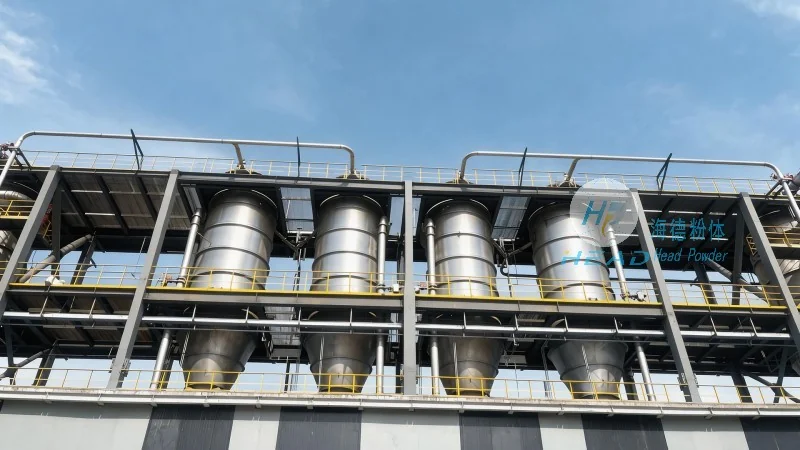
Introduction to Limestone Powder Pneumatic Conveying Systems
Limestone powder, a widely used raw material in industries such as cement production, construction, and chemical processing, requires efficient and reliable transport methods to maintain production efficiency and product quality. Pneumatic conveying systems offer a solution by utilizing air to transport dry powders like limestone powder over long distances without the need for mechanical components like belts or buckets. This method not only enhances operational safety but also reduces maintenance costs compared to traditional bulk material handling equipment.
The Core Principle of Pneumatic Conveying
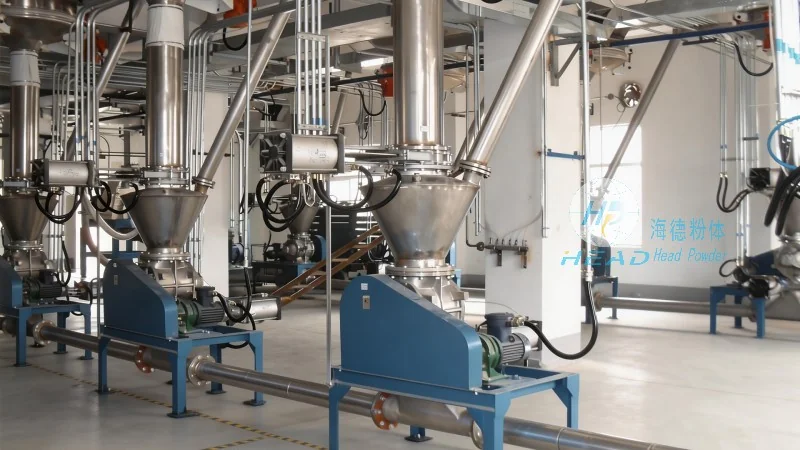
The fundamental principle of pneumatic conveying involves the use of compressed air to create a flow that transports the powder particles through a pipeline. In a typical system, the limestone powder is fed into a hopper or feeder, where it is then introduced into the conveying line. The compressed air, often generated by a blower or compressor, creates a pressure differential that propels the powder forward. The system can operate in either pressure or vacuum mode, depending on the specific application requirements. Pressure conveying uses positive pressure to push the material through the line, while vacuum conveying uses negative pressure to draw the material from the source. The choice between these modes depends on factors like the distance to be covered, the material's properties, and the system's layout.
Key Working Scene Characteristics
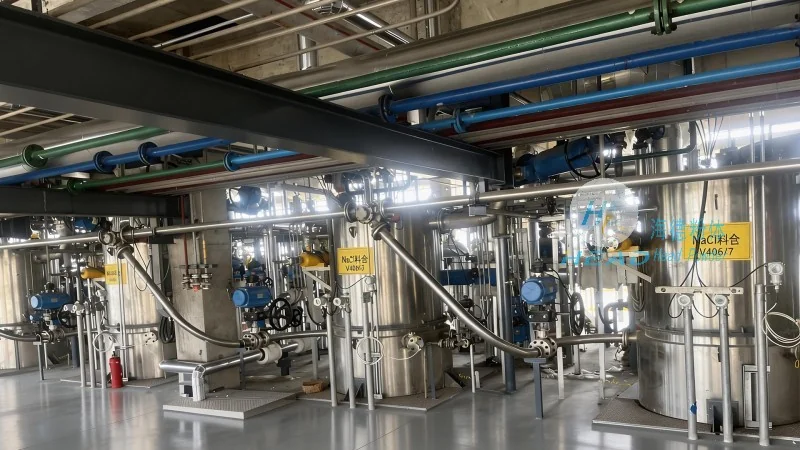
The effectiveness of a limestone powder pneumatic conveying system is heavily influenced by several working scene characteristics that must be carefully considered during system design and operation. These characteristics include the material's particle size distribution, moisture content, and flowability, as well as the system's operating pressure and flow rate. For limestone powder, which typically has a fine particle size, the system must be designed to prevent particle segregation and caking, which can lead to blockages and reduced conveying efficiency. Proper air-to-material ratio is crucial to ensure that the powder is fully entrained and transported without excessive pressure drop or material degradation. Additionally, the system's layout, including the number and placement of inlets, outlets, and bends, plays a critical role in maintaining consistent flow and preventing pressure losses.
Applications and Industry Impact
Limestone powder pneumatic conveying systems are widely used in various industrial sectors due to their ability to handle large volumes of material efficiently and safely. In the cement industry, these systems are essential for transporting limestone from storage silos to grinding mills, where it is processed into clinker. In construction, they are used to deliver limestone powder to mixing plants for concrete production. The chemical industry also benefits from these systems when handling limestone as a raw material for various chemical processes. The versatility of pneumatic conveying systems allows them to adapt to different production scales and operational conditions, making them a preferred choice for many manufacturers.
Advantages of Limestone Powder Pneumatic Conveying Systems
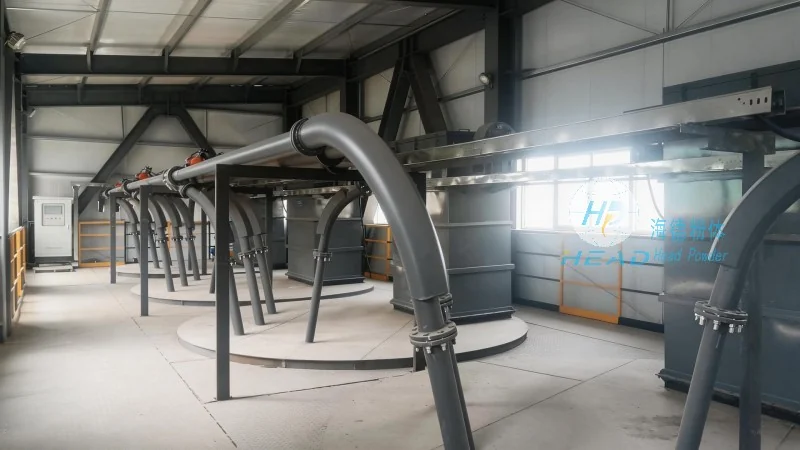
Compared to traditional material handling methods, limestone powder pneumatic conveying systems offer several advantages that enhance operational performance and cost-effectiveness. One of the primary benefits is the reduction in labor costs, as the system automates the material transport process, minimizing the need for manual handling. Additionally, the enclosed pipeline system prevents dust emissions, improving workplace safety and compliance with environmental regulations. The system also reduces material loss and degradation, as the powder is transported in a controlled environment, avoiding exposure to moisture or contaminants. Furthermore, the compact design of pneumatic conveying systems allows for easy integration into existing production lines, minimizing space requirements and installation costs.
Conclusion
HeadPowder's expertise in designing and implementing limestone powder pneumatic conveying systems ensures that industrial facilities can achieve efficient, safe, and cost-effective material handling solutions. By understanding the core principles and working scene characteristics of these systems, manufacturers can optimize their operations and improve overall productivity. With a focus on innovation and customer satisfaction, HeadPowder continues to provide high-quality pneumatic conveying solutions that meet the evolving needs of the industrial sector.