

Principle and Working Scene Characteristics of Air-Powered Pneumatic Conveying
Understanding the fundamental principles of air-powered pneumatic conveying is crucial for industries seeking efficient material handling solutions. This technology, often referred to as pneumatic conveying, utilizes compressed air to transport bulk materials through a pipeline system. The core mechanism involves creating a pressure differential between the inlet and outlet of the conveying line, which propels the material forward. This method is particularly effective for handling dry, free-flowing powders and granules, offering advantages such as low maintenance, flexibility in layout, and the ability to transport materials over long distances without the need for mechanical components like belts or buckets.
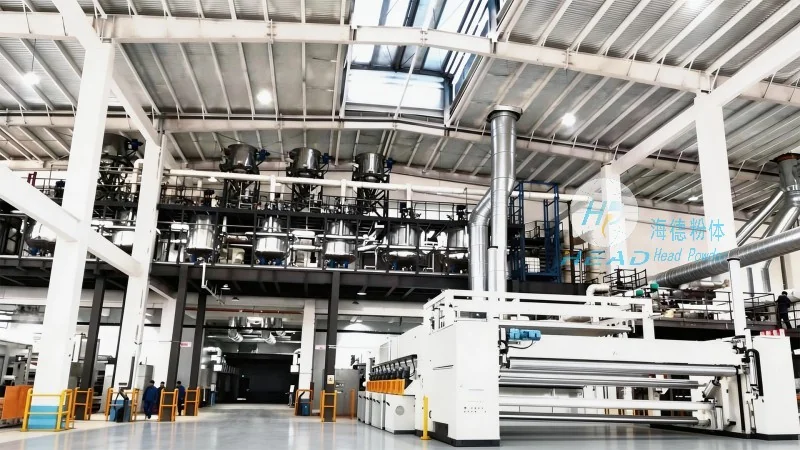
Company Profile and Background
HeadPowder, a leading provider in the field, is Shandong HeadPowder Engineering Co., Ltd., headquartered in Shandong, China. With a strong commitment to innovation and quality, the company specializes in designing, manufacturing, and implementing advanced pneumatic conveying systems tailored to diverse industrial needs. HeadPowder's expertise lies in optimizing material flow, ensuring minimal product degradation, and enhancing operational efficiency for clients across various sectors.
Principle of Air-Powered Pneumatic Conveying
The operation of air-powered pneumatic conveying systems is based on the principles of fluid dynamics and particle motion. When compressed air is introduced into the conveying line, it creates a high-velocity flow that entrains the material particles. The air velocity must exceed the terminal velocity of the particles to ensure they remain suspended and transported. This process can be categorized into two main types: dilute-phase and dense-phase conveying. Dilute-phase systems operate at higher air velocities, typically moving particles in a dispersed state, while dense-phase systems use lower velocities to transport particles in a more compacted form, reducing the risk of product degradation and improving system efficiency.
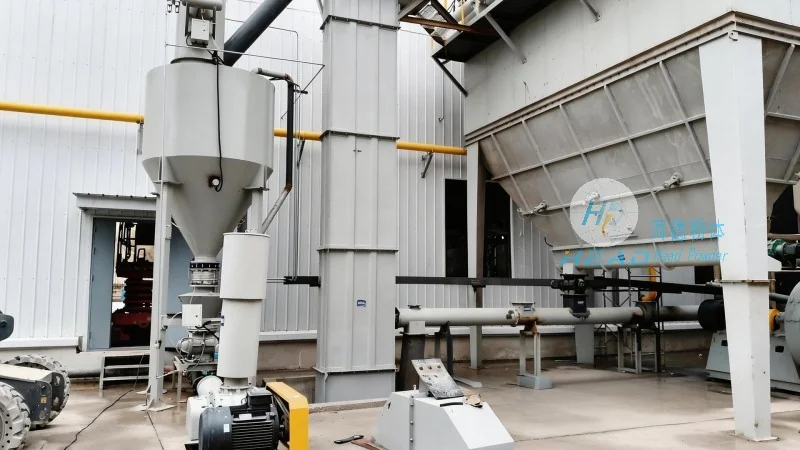
Working Scene Characteristics and Applications
Air-powered pneumatic conveying systems are widely applied in various industrial settings, each presenting unique characteristics that influence system design and performance. For instance, in the food and pharmaceutical industries, where product purity and hygiene are paramount, these systems are designed with stainless steel components and enclosed pipelines to prevent contamination. The gentle handling of materials minimizes particle breakage and ensures compliance with regulatory standards. In the chemical and mining sectors, systems are often built to handle abrasive or corrosive materials, utilizing robust materials of construction and specialized valves to withstand harsh conditions.
Key Advantages in Different Operational Scenarios
One of the primary advantages of air-powered pneumatic conveying is its ability to handle materials in a closed system, which enhances safety by containing dust and preventing exposure to hazardous substances. This is particularly beneficial in environments where dust control is critical, such as in grain handling or chemical processing facilities. Additionally, the flexibility of these systems allows for easy integration with existing production lines, enabling seamless material transfer between processes. The low maintenance requirements and reduced downtime compared to traditional mechanical conveying methods further contribute to operational cost savings.
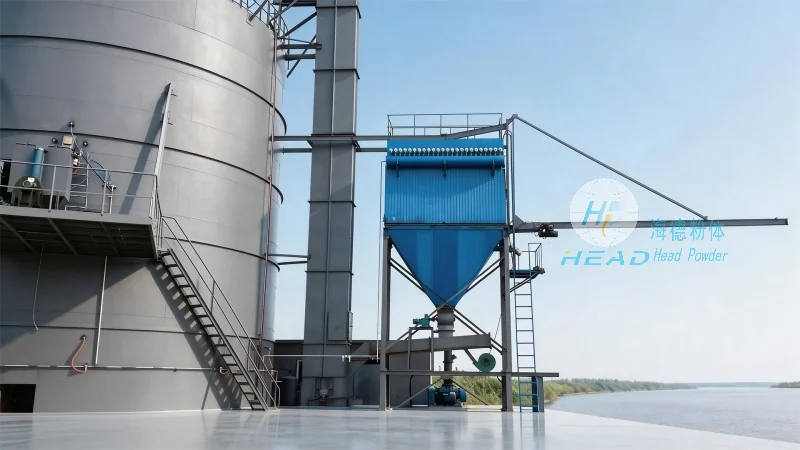
Customization and System Optimization
HeadPowder recognizes that each application has distinct requirements, and thus, offers customized pneumatic conveying solutions. By analyzing the specific characteristics of the material, such as particle size, density, and flowability, as well as the operational constraints of the facility, the company designs systems that maximize efficiency and reliability. This includes selecting appropriate air velocities, pipeline diameters, and equipment such as rotary valves and cyclone separators to ensure optimal performance. The company's engineering team works closely with clients to understand their unique challenges and develop tailored solutions that meet both current and future needs.
Conclusion
Air-powered pneumatic conveying represents a sophisticated and efficient method for material handling, offering significant benefits in terms of operational efficiency, product quality, and safety. With its ability to handle a wide range of materials in diverse industrial environments, this technology continues to be a preferred choice for many industries. HeadPowder, with its expertise and commitment to excellence, provides comprehensive solutions that address the specific needs of clients, ensuring reliable and effective material transport in various working scenarios.