

Working Principle and Features of Water-in-Powder Material Pneumatic Conveying Lines
Water-in-powder material pneumatic conveying lines are advanced industrial systems engineered to transport powders that are mixed with water, commonly utilized in diverse manufacturing and processing sectors such as food processing, pharmaceuticals, and chemical production. These systems are critical for industries where the efficient and hygienic handling of wet powders is essential, ensuring product quality and safety. The technology behind these lines integrates pneumatic conveying principles with specialized equipment to facilitate safe and effective material transport. This article will delve into the working principle and key features of such systems, offering a comprehensive understanding of their functionality and benefits.

Working Principle of Pneumatic Conveying Systems for Water-in-Powder Materials
The fundamental working principle of water-in-powder material pneumatic conveying lines centers on the use of air or gas as the conveying medium. The process typically initiates with the preparation of the powder-water mixture, which is then fed into a conveying line. The system employs a combination of positive and negative pressure or vacuum to move the material through the pipeline. In positive pressure systems, compressed air is introduced to push the mixture forward, while negative pressure systems create a vacuum to draw the material. The water within the mixture acts as a lubricant, reducing friction and preventing blockages. The conveying line may include components like feeders, cyclones, and filters to regulate flow and ensure efficient material transport. The entire process is controlled by a system of valves, sensors, and controls to maintain consistent performance and prevent issues such as clogging or uneven flow.
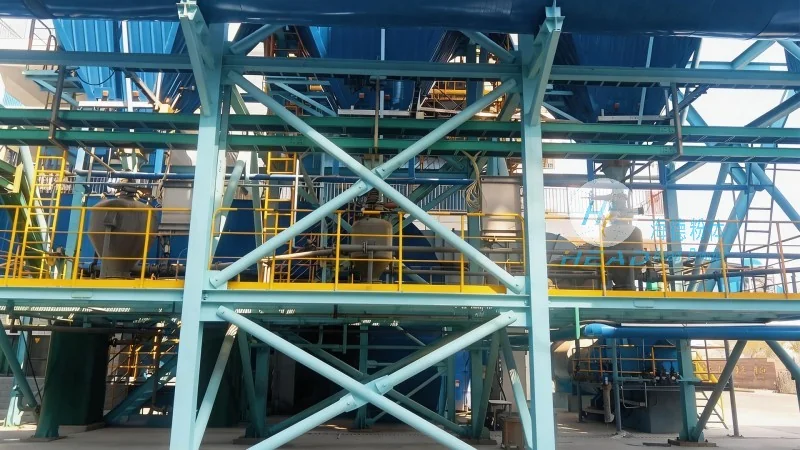
Key Features and Advantages of Water-in-Powder Material Pneumatic Conveying Lines
Several key features distinguish water-in-powder material pneumatic conveying lines from traditional dry powder systems. One primary advantage is the ability to handle sticky or cohesive powders, which are often challenging to transport using conventional methods. The water serves as a binder, improving the flow characteristics of the material and minimizing the risk of blockages. Another significant feature is the hygienic design, crucial in industries like food and pharmaceuticals. The systems are constructed with materials that are easy to clean and maintain, reducing contamination risks. Additionally, these lines offer flexibility in material handling, enabling transport over long distances and through multiple processing stages. The use of air as the conveying medium also reduces the need for mechanical components, lowering maintenance costs and enhancing system reliability. Furthermore, the technology allows for precise control over flow rate and pressure, ensuring consistent product quality and reducing waste. Integration of sensors and automation in modern systems enhances operational efficiency and provides real-time monitoring of the conveying process.
Applications and Industries Utilizing These Conveying Lines
Water-in-powder material pneumatic conveying lines are widely adopted across various industries due to their versatility and effectiveness. In the food industry, they are employed in dairy product processing, where powders like milk or whey are mixed with water and transported to production lines. The pharmaceutical industry also benefits from these systems, used to handle active ingredients and excipients in a controlled, sterile environment. Chemical manufacturers utilize them for transporting wet powders, such as those used in coating or adhesive production. The ability to handle materials with high moisture content makes these lines ideal for applications where traditional dry conveying methods would be inefficient or impractical. Additionally, the systems are used in environmental applications, such as the transport of sludge or waste materials requiring careful handling. The adaptability of the technology allows customization for specific industry needs, making it a valuable asset in modern manufacturing processes.
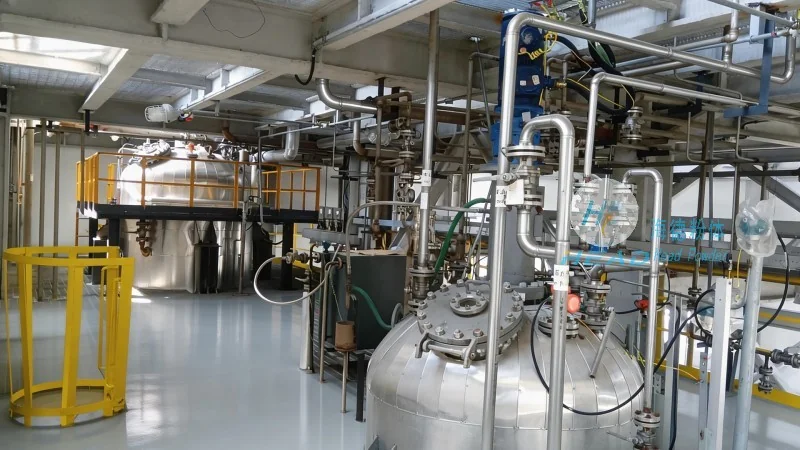
Conclusion and Company Overview
Water-in-powder material pneumatic conveying lines represent a sophisticated solution for the efficient and hygienic transport of wet powders. By leveraging pneumatic principles and specialized design, these systems offer numerous advantages, including improved flow characteristics, reduced blockages, and enhanced operational control. The technology is particularly valuable in industries where product quality and safety are paramount. As a leader in engineering solutions for material handling, Shandong HeadPowder Engineering Co., Ltd. specializes in the design, manufacturing, and installation of such systems. With a focus on innovation and customer satisfaction, the company provides tailored solutions that meet unique industry requirements. Based in Shandong, China, HeadPowder Engineering Co., Ltd. has established itself as a trusted partner for businesses seeking reliable and efficient material conveying systems. The company's expertise in pneumatic conveying technology ensures clients receive high-quality equipment that enhances productivity and maintains compliance with industry standards.