

Working Principle and Features of Corn Grit Powder Pneumatic Conveying Line
Shandong HeadPowder Engineering Co., Ltd., situated in Shandong, China, specializes in the design, manufacturing, and supply of advanced powder handling equipment. The company has been dedicated to providing efficient and reliable solutions for various powder conveying applications, including the corn grit powder pneumatic conveying line. This article will delve into the working principle and key features of this system, highlighting its practical applications and benefits in industrial settings.
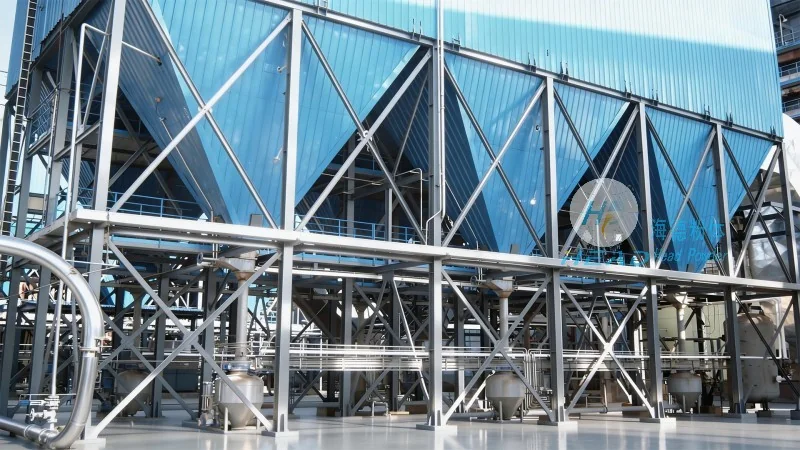
Corn Grit Powder Pneumatic Conveying Line: An Overview
The corn grit powder pneumatic conveying line is a specialized system engineered to transport corn grit, a byproduct of corn processing, from storage silos or processing units to downstream equipment such as storage tanks, packaging machines, or processing facilities. This system utilizes pneumatic conveying technology, which relies on the movement of air to transport solid particles. By integrating advanced components and control systems, the line ensures safe, efficient, and low-damage transportation of corn grit, making it an essential solution for corn processing industries.
The Working Principle of the Corn Grit Powder Pneumatic Conveying Line
The core of the corn grit powder pneumatic conveying line is its pneumatic conveying mechanism, which operates based on the principles of fluid dynamics and particle transport. The system typically consists of several key components, including a hopper, a feeder, a conveying pipe, a control valve, and a receiver. The process begins when corn grit is fed into the hopper from a storage silo. The feeder then meters the material at a controlled rate into the conveying pipe. Simultaneously, a fan or blower generates a high-velocity air stream within the pipe. As the corn grit is introduced into the air stream, it becomes entrained and transported through the pipe to the receiver. The receiver collects the conveyed corn grit and discharges it into the next processing stage. The air, now carrying the particles, is then filtered and returned to the system or released, depending on the design. This continuous cycle ensures a steady flow of corn grit from the source to the destination.
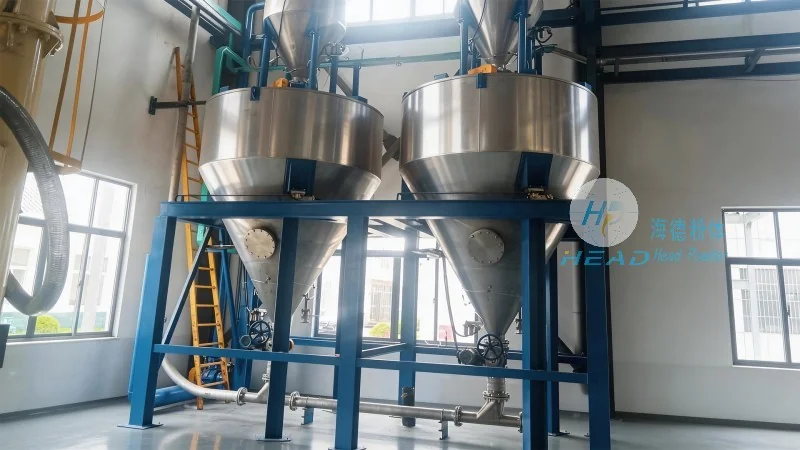
Key Features and Advantages of the Corn Grit Powder Pneumatic Conveying Line
The corn grit powder pneumatic conveying line offers several distinct features and advantages that make it a preferred choice for corn processing facilities. Firstly, it provides a dust-free and hygienic conveying method, which is crucial for maintaining product quality and compliance with food safety regulations. Unlike mechanical conveying systems, which can generate dust and cause contamination, the pneumatic system keeps the corn grit enclosed within the pipe, minimizing exposure to the environment and reducing the risk of contamination. Secondly, the system offers high efficiency and low energy consumption. By optimizing the air flow and particle loading, the line achieves a high conveying capacity with minimal power usage, making it cost-effective for long-distance or high-volume applications. Thirdly, the line is designed for low material degradation. The gentle handling of corn grit by the air stream reduces breakage and loss of quality, which is vital for maintaining the nutritional value and marketability of the product. Additionally, the system is flexible and adaptable, allowing for changes in conveying distance, flow rate, or destination without significant modifications. This adaptability makes it suitable for various production scales and layouts. Finally, the corn grit powder pneumatic conveying line is easy to maintain and operate. The components are designed for durability and minimal wear, and the control system provides real-time monitoring and adjustment, ensuring smooth operation and reducing downtime. Overall, the system combines efficiency, safety, and reliability, making it an ideal solution for the transportation of corn grit in industrial settings.
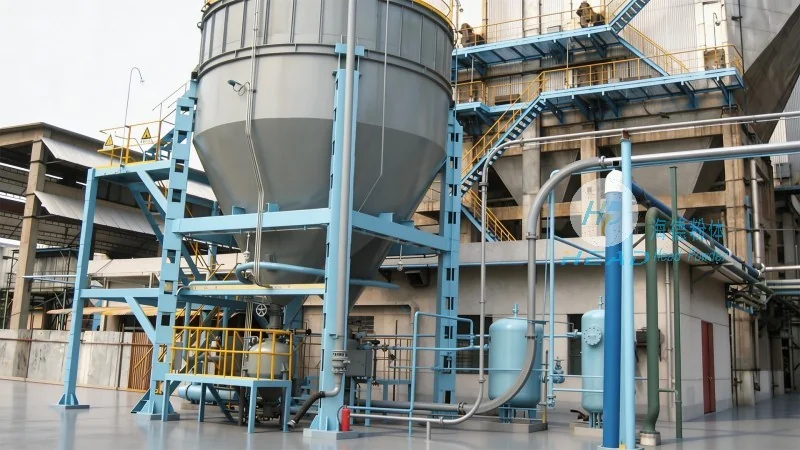
Application Scenarios and Industry Impact
The corn grit powder pneumatic conveying line is widely used in the corn processing industry, particularly in facilities that handle large volumes of corn grit. It is commonly employed in the following scenarios: 1. Conveying corn grit from storage silos to milling or grinding equipment for further processing. 2. Transporting corn grit to packaging lines for bulk or bagged packaging. 3. Moving corn grit to storage tanks for temporary storage before further processing or distribution. 4. Conveying corn grit from processing units to waste management systems for proper disposal. In these applications, the system ensures a continuous and reliable supply of corn grit, reducing bottlenecks and improving overall production efficiency. The use of this technology has significantly improved the operational efficiency of corn processing plants, enabling them to handle larger volumes of material with less labor and lower operational costs. By minimizing material loss and contamination, the system also enhances product quality and market value, contributing to the economic success of the industry.
Conclusion and Future Outlook
In conclusion, the corn grit powder pneumatic conveying line is a sophisticated and efficient system that addresses the challenges of transporting corn grit in industrial settings. Its working principle, based on pneumatic conveying technology, ensures safe, clean, and low-damage transportation of the material. The key features, including dust-free operation, high efficiency, low material degradation, and adaptability, make it a valuable asset for corn processing facilities. As the demand for efficient and reliable powder handling solutions continues to grow, the corn grit powder pneumatic conveying line remains a leading technology in the industry. With ongoing advancements in materials and control systems, the system is expected to evolve further, offering even better performance and sustainability. For companies in the corn processing industry, investing in such a system is a strategic move to enhance operational efficiency, maintain product quality, and stay competitive in the market.