

Working Principle and Characteristics of Pneumatic Conveying for Lithium-Ion Battery Positive Electr
HeadPowder, a leading provider in the field, specializes in advanced material handling solutions tailored for the lithium-ion battery industry. This article delves into the working principles and key characteristics of pneumatic conveying systems specifically designed for lithium-ion battery positive electrode material powders, offering insights into efficient and reliable material transport solutions.
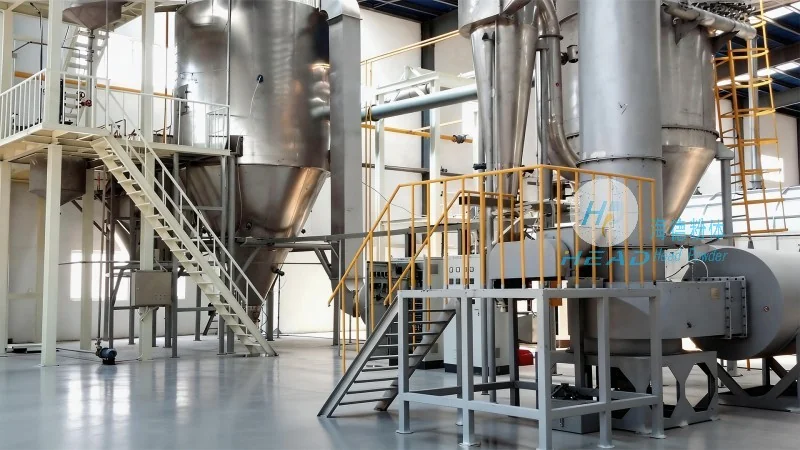
Company Background and Expertise
Shandong HeadPowder Engineering Co., Ltd., commonly known as HeadPowder, is a professional enterprise dedicated to the research, development, and manufacturing of high-efficiency material conveying equipment. With a strong presence in China, particularly in Shandong, the company has established itself as a trusted partner for businesses seeking innovative solutions for handling fine powders in demanding industrial applications. HeadPowder's expertise lies in optimizing material flow, ensuring precision, and enhancing operational efficiency for critical components like lithium-ion battery positive electrode materials.
Working Principle of Pneumatic Conveying for Battery Positive Electrode Powders
Pneumatic conveying systems for lithium-ion battery positive electrode material powders operate by utilizing air or gas to transport dry powders through a network of pipes. The process typically involves two main modes: positive pressure and negative pressure (or vacuum) systems. In positive pressure systems, compressed air is introduced at the material inlet, creating a pressure differential that propels the powder forward. This method is effective for short to medium-distance transport and is commonly used in batching and feeding applications. Negative pressure systems, on the other hand, draw air and powder into a vacuum chamber, allowing the material to be pulled through the system. This approach is ideal for longer distances and applications requiring dust control and environmental protection.
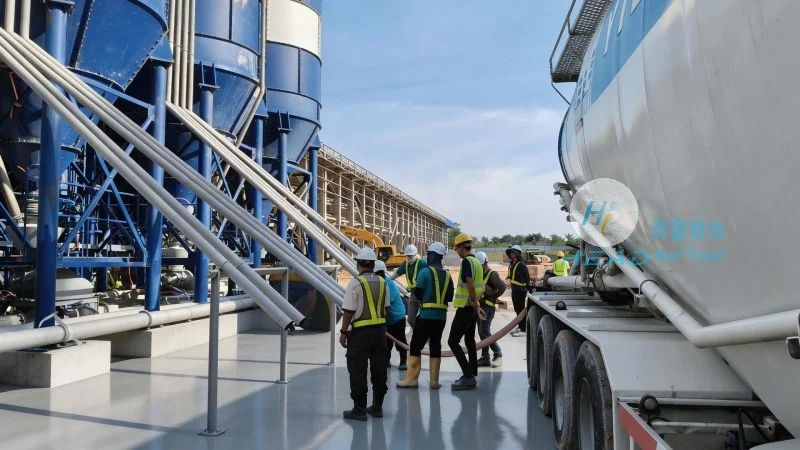
During the conveying process, the powder is suspended in the air stream, which minimizes friction and prevents material degradation. The velocity of the air and the design of the conveying line are critical factors that determine the efficiency and reliability of the system. Proper air velocity ensures that the powder particles remain in suspension, avoiding blockages and ensuring consistent flow rates. The system also incorporates components such as feeders, cyclones, and filters to manage the material's movement and maintain air quality.
Key Characteristics of Pneumatic Conveying Systems
When applied to lithium-ion battery positive electrode material powders, pneumatic conveying systems exhibit several distinct characteristics that make them advantageous for industrial use. Firstly, they offer high efficiency in material transport, capable of handling large volumes of fine powders with minimal downtime. The systems are designed to maintain the integrity of the powder, preventing agglomeration or degradation that could affect battery performance. This is crucial for maintaining the quality of the positive electrode materials, which are sensitive to moisture and contamination.
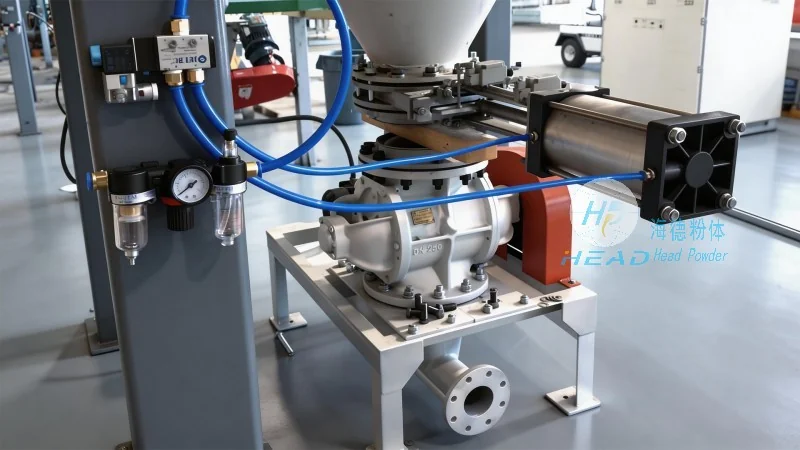
Secondly, pneumatic conveying provides excellent dust control and environmental safety. By containing the powder within a sealed system, it reduces the risk of airborne dust exposure, which is a significant health and safety concern in material handling operations. The systems often include filtration and air purification components to ensure compliance with environmental regulations and to protect personnel from respiratory hazards.
Thirdly, the flexibility of pneumatic conveying allows for easy integration into existing production lines. The modular design of the systems enables customization to fit various plant layouts and operational requirements. This adaptability is particularly valuable in the dynamic lithium-ion battery manufacturing industry, where production processes and material specifications may evolve over time.
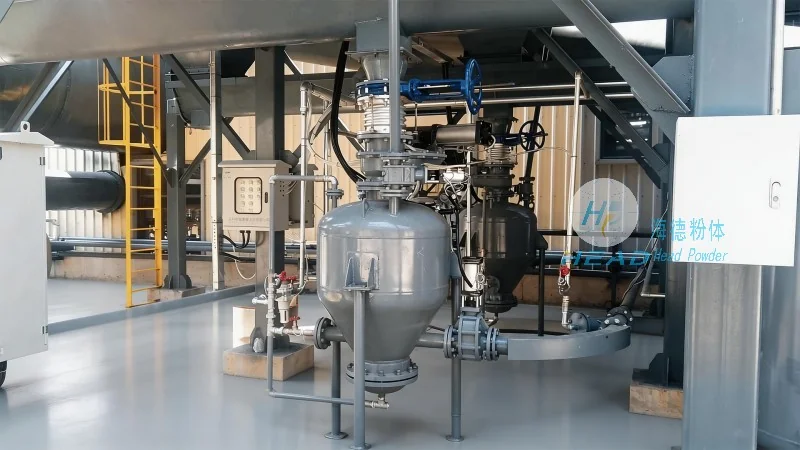
Additionally, the systems offer cost-effectiveness and energy efficiency. By reducing the need for manual handling and minimizing material loss, pneumatic conveying lowers operational costs and enhances overall productivity. The use of compressed air as the primary energy source is also more efficient compared to traditional mechanical conveying methods, contributing to lower energy consumption and operational expenses.
Conclusion and Application Insights
For manufacturers of lithium-ion battery positive electrode materials, pneumatic conveying systems represent a sophisticated and reliable solution for material handling. The working principles, which leverage air pressure and vacuum to transport fine powders, combined with the key characteristics of efficiency, dust control, and flexibility, make these systems indispensable in modern battery production facilities. HeadPowder's expertise in designing and implementing such systems ensures that clients receive tailored solutions that meet their specific operational needs, contributing to enhanced productivity and product quality in the battery manufacturing sector.