

What Methods Are Available for Sucrose Conveyance?
When it comes to the efficient and reliable transport of sucrose, selecting the right conveyance method is crucial for maintaining product quality and operational efficiency. As a leading provider in the industry, Shandong HeadPowder Engineering Co., Ltd., based in Shandong, China, understands the diverse needs of clients in the sugar processing sector. This article explores the various methods available for sucrose conveyance, offering insights into how each approach can be tailored to specific operational requirements.
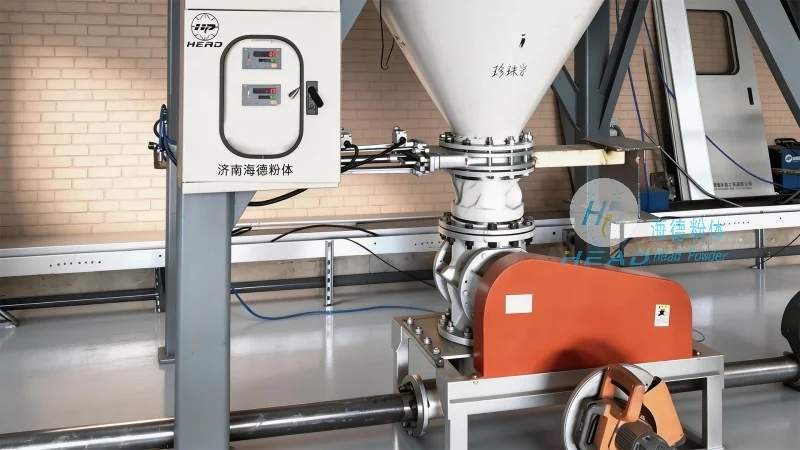
1. Pneumatic Conveying Systems
Pneumatic conveying is a popular method for sucrose transport, especially in applications where dust control and minimal product degradation are priorities. This system uses air pressure to move sucrose through a pipeline. There are two main types: pressure and vacuum systems. Pressure systems are ideal for short to medium distances, as they can handle higher material loads with less air consumption. Vacuum systems, on the other hand, are suitable for longer distances or when the material needs to be drawn from multiple sources. The choice between these depends on factors such as the distance to be covered, the volume of sucrose being transported, and the need for gentle handling to preserve the crystal structure of the sugar.
2. Hydraulic or Pumping Systems
For high-volume, continuous sucrose transport, hydraulic or pumping systems are often employed. These systems use water or other liquids as a medium to move the sucrose through pipes. The sucrose is typically suspended in the liquid, which is then pumped through the system. This method is particularly effective for handling wet or slurry-like sucrose mixtures, where the liquid helps to prevent caking and maintain flow. Hydraulic systems are known for their ability to handle large quantities of material with consistent pressure, making them suitable for industrial-scale operations. However, they require careful maintenance to ensure the liquid medium remains clean and free from contaminants that could affect the sucrose quality.
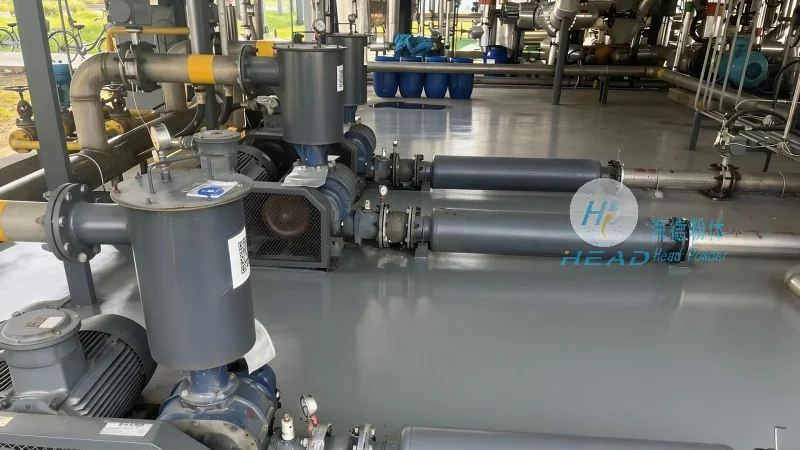
3. Mechanical Conveyors
Mechanical conveyors, such as belt conveyors, screw conveyors, and bucket elevators, are traditional methods for sucrose transport. Belt conveyors use a continuous belt to move sucrose from one point to another, making them suitable for horizontal or slightly inclined transport. Screw conveyors, also known as augers, are excellent for vertical or inclined transport, as they can lift sucrose while moving it. Bucket elevators are ideal for vertical transport over longer distances, as they use buckets attached to a chain or belt to lift the material. Each type of mechanical conveyor has its advantages and limitations, and the selection depends on factors like the distance, the angle of incline, and the need for gentle handling to avoid breaking the sucrose crystals.
4. Gravity Flow Systems
Gravity flow systems utilize the natural force of gravity to move sucrose from higher to lower elevations. This method is simple and cost-effective, as it does not require any external power source. The sucrose is placed in a hopper or storage tank at a higher level, and it flows through a sloped pipe or chute to a lower point. While gravity flow is suitable for short distances and low volumes, it is not ideal for long distances or when the sucrose needs to be moved against gravity. The main advantage of this system is its low maintenance and energy consumption, making it a popular choice for small-scale operations or for transporting sucrose from storage to processing areas.
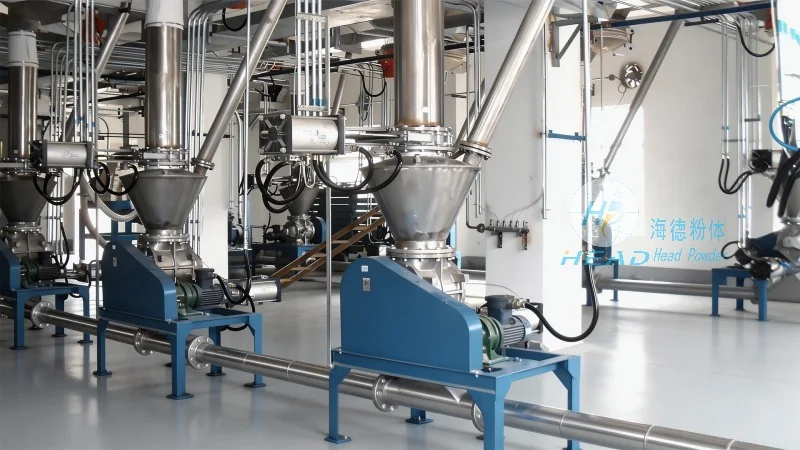
5. Combination Systems
In many industrial settings, a combination of the above methods is used to achieve the most efficient sucrose conveyance. For example, a pneumatic system might be used to transport sucrose from a storage silo to a processing plant, while a mechanical conveyor is used to move it through the plant's internal processing lines. This integrated approach allows for flexibility and adaptability, ensuring that the sucrose is handled with care throughout the entire transport process. The use of combination systems also helps to optimize energy consumption and reduce operational costs, making them a practical solution for large-scale sugar processing facilities.
When selecting a sucrose conveyance method, it is essential to consider factors such as the type of sucrose (e.g., granulated, powdered, or crystalline), the distance to be covered, the volume of material, and the need for gentle handling to preserve product quality. Shandong HeadPowder Engineering Co., Ltd. offers a range of solutions tailored to these specific requirements, ensuring that clients receive the most suitable and efficient conveyance system for their operations. By understanding the advantages and limitations of each method, businesses can make informed decisions that enhance productivity and maintain the integrity of their sucrose products.