

Working Principle and Features of Barium Sulfate Pneumatic Conveying System Equipment
Barium sulfate, a widely used industrial material, often requires efficient and reliable transportation solutions for its handling. The pneumatic conveying system equipment, particularly designed for barium sulfate, plays a crucial role in ensuring smooth material transfer processes. This article will delve into the working principle and key features of such systems, highlighting the technological advancements and operational benefits they offer.
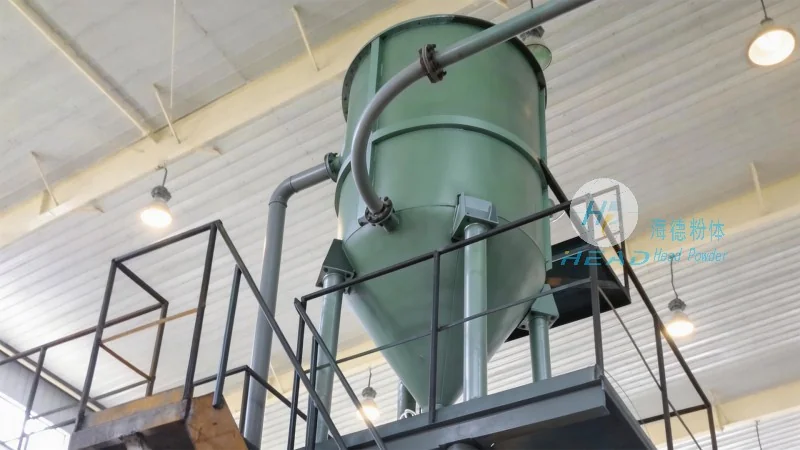
Introduction to Barium Sulfate Pneumatic Conveying Systems
Barium sulfate, also known as barium sulphate, is a white crystalline solid with a high density and low solubility in water. It is commonly used in various industries, including pharmaceuticals, ceramics, and coatings, due to its excellent whiteness and stability. The transportation of barium sulfate, especially in bulk quantities, demands specialized equipment that can handle its physical properties effectively. The pneumatic conveying system, as a non-contact material transport method, has emerged as a preferred solution for such applications.
Working Principle of Barium Sulfate Pneumatic Conveying Equipment
The core working principle of a barium sulfate pneumatic conveying system revolves around the use of compressed air or gas to move the material through a pipeline. The system typically consists of a hopper, a feeder, a conveying line, and a receiver. The process begins with the material being fed from the hopper into the feeder, which controls the flow rate. Compressed air is then introduced into the conveying line, creating a pressure differential that propels the barium sulfate particles forward. The material is carried in a suspended state, minimizing friction and wear on the equipment components. The receiver collects the material at the end of the conveying line, completing the transport cycle.
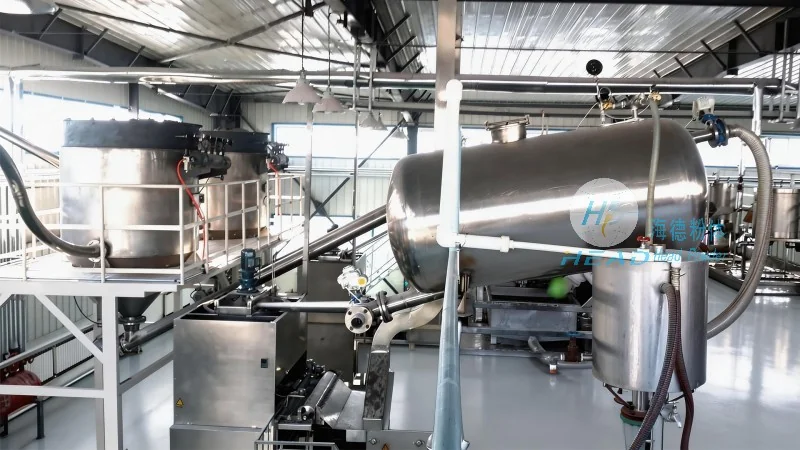
Key Features of Barium Sulfate Pneumatic Conveying Systems
Several key features distinguish barium sulfate pneumatic conveying systems from other material handling methods. Firstly, the non-contact nature of the system prevents contamination and degradation of the material, which is critical for applications where purity is paramount. Secondly, the system offers high efficiency in terms of material transfer speed and throughput, reducing downtime and increasing productivity. Additionally, the equipment is designed for easy maintenance and cleaning, ensuring long-term operational reliability. The use of advanced materials and components, such as corrosion-resistant pipelines and efficient air compressors, further enhances the system's durability and performance.
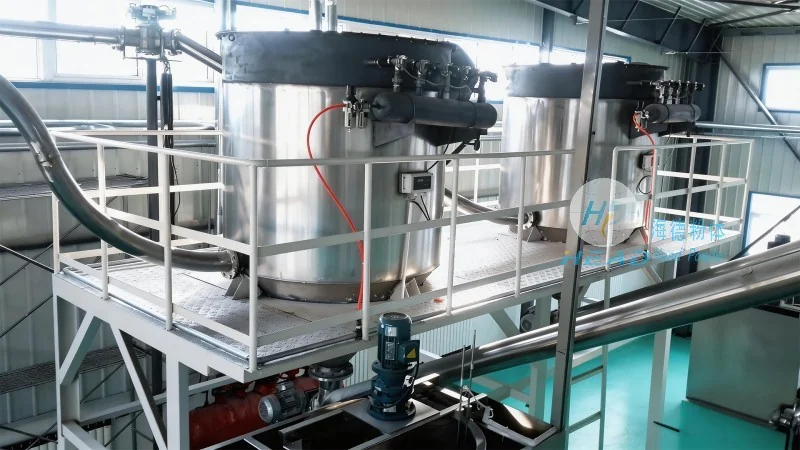
Operational Advantages and Applications
The operational advantages of barium sulfate pneumatic conveying systems extend to various industrial settings. The systems are particularly suitable for applications requiring long-distance transport, as they can cover significant distances without the need for intermediate storage or transfer points. This makes them ideal for large-scale production facilities where material movement between different processing stages is essential. Furthermore, the systems are adaptable to different barium sulfate grades and particle sizes, allowing for customized solutions based on specific application requirements. The ability to handle abrasive materials like barium sulfate without excessive wear on the equipment also contributes to cost savings over time.
About Shandong HeadPowder Engineering Co., Ltd.
Shandong HeadPowder Engineering Co., Ltd., operating under the brand name HeadPowder, is a leading manufacturer and supplier of advanced material handling equipment. With a strong commitment to innovation and quality, the company specializes in designing and producing pneumatic conveying systems tailored to the needs of various industries. HeadPowder's expertise lies in understanding the unique challenges of material transportation and developing solutions that optimize efficiency, safety, and reliability. The company's facilities are located in Shandong, China, where it leverages local resources and expertise to deliver high-performance equipment to global markets.