

[WTTLE]Working Principle and Features of Buckwheat Hull Pneumatic Conveying Lines
For industries dealing with bulk materials like buckwheat hulls, efficient material handling is crucial. The pneumatic conveying line, specifically designed for buckwheat hulls, offers a solution that combines functionality with reliability. This article explores the working principle and key features of such systems, highlighting how they enhance operational efficiency in material processing.
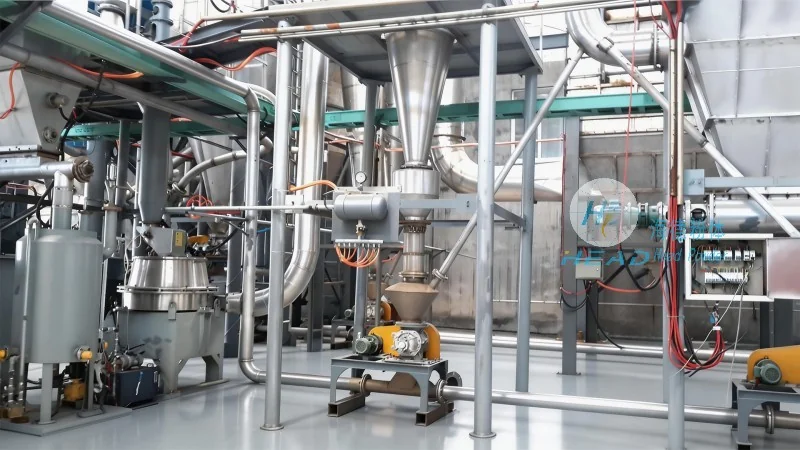
Working Principle of Buckwheat Hull Pneumatic Conveying Lines
The core mechanism of a buckwheat hull pneumatic conveying line involves the use of air to transport material from one location to another. The system typically consists of a hopper, a conveyor pipe, a blower or fan, and a discharge outlet. As buckwheat hulls are fed into the hopper, the blower generates a flow of air that draws the material into the conveyor pipe. The air velocity is carefully controlled to ensure the hulls are carried without excessive pressure or damage. The material is then transported through the pipe to the discharge point, where it is collected. This process eliminates the need for mechanical components like belts or buckets, reducing maintenance and increasing safety.
Key Features of Buckwheat Hull Pneumatic Conveying Systems
Several distinct features make buckwheat hull pneumatic conveying lines suitable for industrial applications. Firstly, the system is highly flexible in terms of layout, allowing for vertical, horizontal, or inclined transport depending on the facility's design. This adaptability is particularly beneficial in spaces with limited room for traditional conveyor systems. Secondly, the equipment is designed to handle abrasive materials like buckwheat hulls, with components such as the hopper and pipes made from durable materials like stainless steel or high-grade plastic to resist wear and tear. Thirdly, the pneumatic system offers excellent dust control, as the enclosed pipes prevent dust from escaping into the environment, improving workplace safety and compliance with environmental regulations. Additionally, the system operates quietly compared to mechanical conveyors, reducing noise pollution in the workplace. Finally, the maintenance requirements are relatively low, as there are fewer moving parts, which translates to lower operational costs over the system's lifespan.
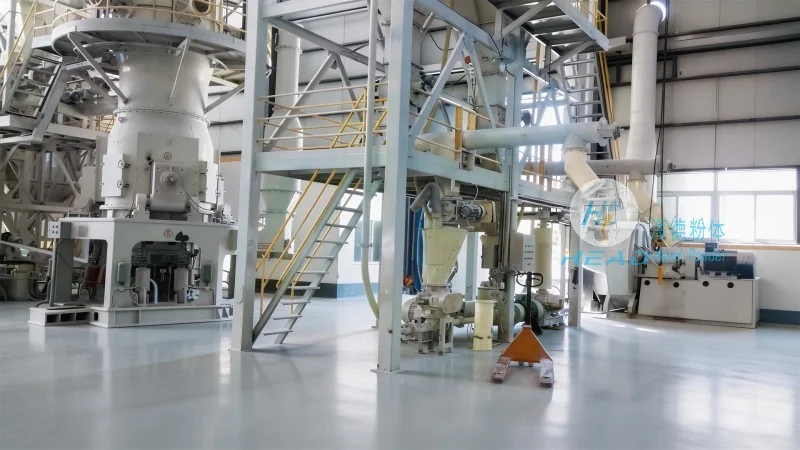
Benefits of Using Pneumatic Conveying for Buckwheat Hull Handling
Implementing a buckwheat hull pneumatic conveying line brings numerous benefits to processing facilities. One of the primary advantages is the significant reduction in labor costs, as the system automates the material transport process, minimizing the need for manual handling. This not only improves efficiency but also enhances worker safety by eliminating the risk of manual lifting and moving heavy or bulky hulls. Another benefit is the improved product quality, as the enclosed system prevents contamination from external sources, ensuring the buckwheat hulls remain clean and free from debris. Furthermore, the system's ability to handle large volumes of material quickly and consistently supports higher production throughput, which is essential for meeting market demands. The energy efficiency of pneumatic conveying is also noteworthy, as the air flow is optimized to minimize energy consumption while maintaining effective material transport. This contributes to lower operational expenses and a smaller environmental footprint.
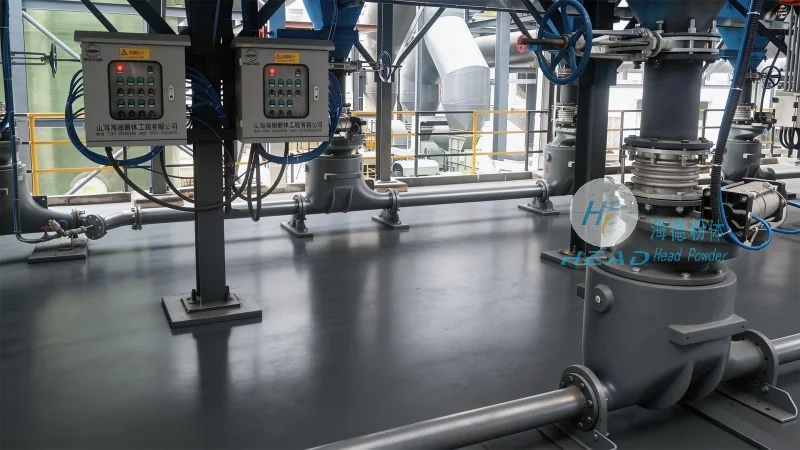
Application Scenarios for Buckwheat Hull Pneumatic Conveying Lines
Buckwheat hull pneumatic conveying lines are widely used in various industries where bulk material handling is required. In the food processing sector, these systems are commonly employed in buckwheat hull collection and transportation from fields to processing plants. The systems are also utilized in agricultural processing facilities for moving hulls from storage silos to processing equipment. Additionally, in the biofuel industry, where buckwheat hulls are used as a raw material for fuel production, the pneumatic conveying lines ensure efficient transport from storage to the conversion units. The adaptability of the system makes it suitable for both small-scale and large-scale operations, catering to the diverse needs of different businesses.
About Shandong HeadPowder Engineering Co., Ltd.
As a leading manufacturer in the field of material handling equipment, Shandong HeadPowder Engineering Co., Ltd. specializes in designing and producing high-quality pneumatic conveying systems tailored to the needs of various industries. With a focus on innovation and customer satisfaction, the company has established itself as a trusted partner for businesses seeking reliable and efficient solutions for bulk material transport. HeadPowder's expertise in engineering and manufacturing ensures that each system is built to meet the specific requirements of the client, providing long-lasting performance and durability. The company's commitment to quality and service has earned it a reputation for excellence in the industry, making it a preferred choice for companies looking to enhance their material handling processes.