

Working Principle and Features of Fine Powder Pneumatic Conveying Systems
For industrial applications that require the efficient and reliable transport of fine powders, pneumatic conveying systems offer a versatile solution. This article explores the working principle and key characteristics of fine powder pneumatic conveying systems, providing insights into how these systems operate and why they are favored in various industries.
Working Principle of Fine Powder Pneumatic Conveying Systems
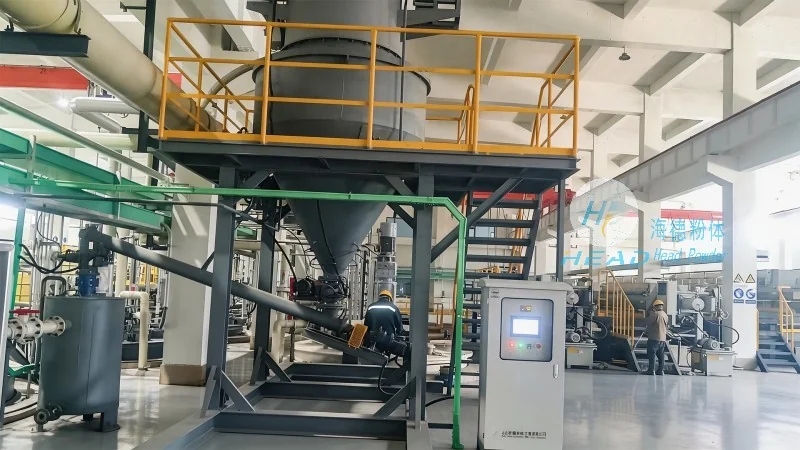
Fine powder pneumatic conveying systems utilize air or other gases to transport particulate materials through a pipeline. The core mechanism involves creating a pressure differential or using suction to move the powder. There are two primary methods: pressure conveying and vacuum conveying. In pressure conveying, compressed air is introduced at the material inlet, pushing the powder through the system. Vacuum conveying, on the other hand, uses a vacuum pump to draw the powder from the source into the pipeline. The choice between these methods depends on factors such as the distance of transport, the nature of the powder, and the required flow rate. The system typically includes components like a hopper for material storage, a feeder to control the flow rate, a conveying line, and a receiver for the discharged material. The air-powder mixture travels through the pipeline, with the air providing the necessary force to move the particles. The design of the conveying line, including bends and fittings, is critical to minimize pressure drop and ensure smooth flow. Proper maintenance of these components is essential to maintain system efficiency and prevent material degradation or blockages.
Key Features of Fine Powder Pneumatic Conveying Systems
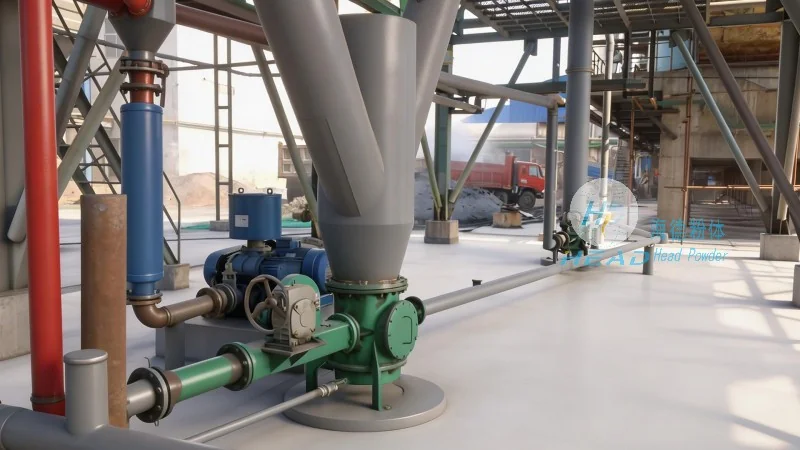
Fine powder pneumatic conveying systems are characterized by several advantages that make them suitable for handling delicate or abrasive materials. One of the main features is the ability to transport materials in a closed system, which helps maintain product purity and prevents contamination from external factors. This is particularly important for powders used in pharmaceutical, food, or chemical industries where hygiene is paramount. Another key feature is the flexibility in design, allowing systems to be customized for specific application requirements. For instance, the conveying distance can be adjusted by modifying the pipeline length or using booster fans to maintain pressure. The system also offers high efficiency in material handling, as it can transport large volumes of powder with minimal labor. Additionally, pneumatic conveying systems are relatively compact compared to other bulk material handling methods, saving space in industrial facilities. The technology is also energy-efficient, especially when using vacuum conveying, as it requires less power to operate compared to mechanical conveying systems. Furthermore, these systems can handle a wide range of powder properties, including varying particle sizes, densities, and moisture content, making them adaptable to diverse industrial needs. The ability to integrate with other processing equipment, such as mixers or classifiers, enhances the overall functionality of the system, enabling a seamless workflow in production lines.
Application and Performance Considerations
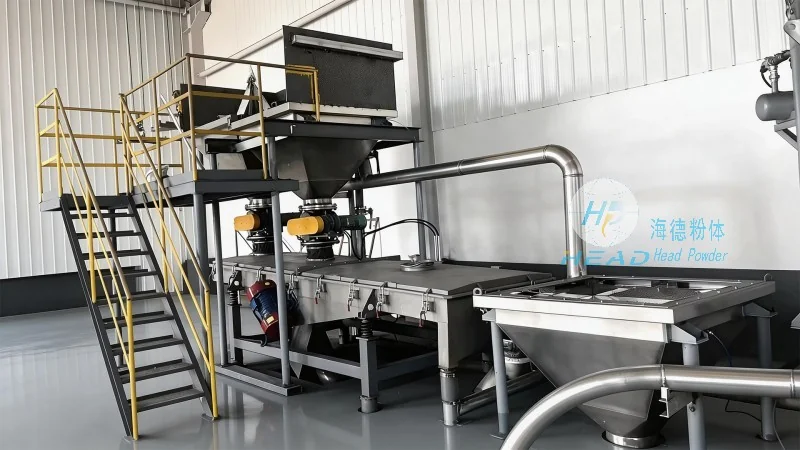
The performance of fine powder pneumatic conveying systems is influenced by several factors that must be considered during system design and operation. The particle size and shape of the material play a crucial role in determining the optimal conveying method. For example, very fine powders may require higher air velocities to prevent settling or blockages, while larger particles might need lower velocities to avoid wear on the pipeline. The density and flowability of the powder also affect the system's efficiency, as more cohesive materials may require additional air pressure or different feeder designs. The system's capacity is another important consideration, as it must match the production requirements of the facility. Proper sizing of the conveying line, air compressor, and feeder ensures that the system operates at its maximum efficiency without causing excessive energy consumption or pressure drop. Regular maintenance is essential to maintain the system's performance, including cleaning of the pipeline, checking for leaks, and replacing worn components. The use of high-quality materials for the pipeline and components, such as stainless steel or special alloys, can extend the system's lifespan and prevent corrosion or material buildup. Additionally, the integration of monitoring systems, such as pressure sensors and flow meters, allows for real-time control and troubleshooting, ensuring consistent performance and minimizing downtime. These considerations are critical for optimizing the operation of fine powder pneumatic conveying systems and maximizing their benefits in industrial applications.