

Working Principle and Characteristics of Phosphorus Pentoxide Pneumatic Conveying
Phosphorus pentoxide (P₂O₅) is a highly hygroscopic and reactive chemical compound widely used in various industrial applications, including chemical synthesis, pharmaceuticals, and as a desiccant. The efficient and safe transportation of this hazardous material is crucial for industrial operations. Pneumatic conveying systems offer a reliable solution for handling P₂O₅, ensuring minimal exposure to personnel and maintaining product integrity. This article explores the working principle and key characteristics of phosphorus pentoxide pneumatic conveying systems, highlighting the technology's benefits and operational considerations. Shandong HeadPowder Engineering Co., Ltd. (headpowder), based in Shandong, China, specializes in the design and implementation of advanced material handling systems, including phosphorus pentoxide pneumatic conveying solutions.
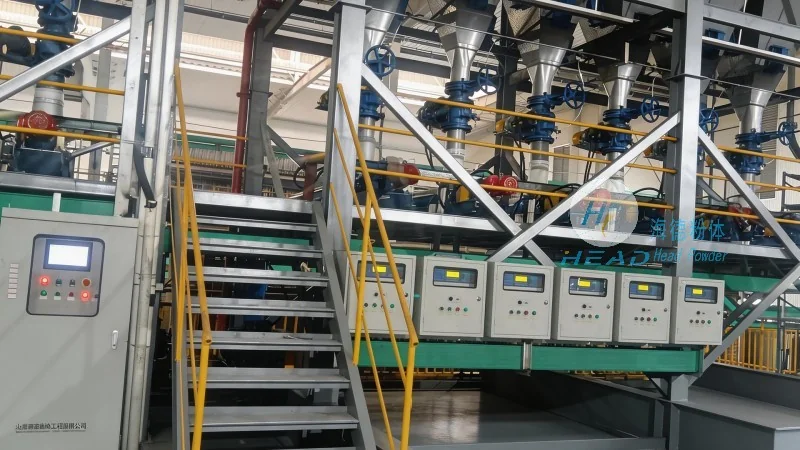
Working Principle of Phosphorus Pentoxide Pneumatic Conveying
Pneumatic conveying relies on the movement of a material through a pipeline using a gas stream, typically air or a mixture of air and other gases. For phosphorus pentoxide, the system operates by creating a pressure differential that propels the solid particles along the pipeline. There are two primary types of pneumatic conveying systems: positive pressure and negative pressure (or vacuum) systems. The choice between these depends on factors such as material properties, system layout, and operational requirements.
In a positive pressure system, compressed air is introduced at the material feed point, generating a pressure higher than the ambient air. This pressure drives the P₂O₅ particles through the pipeline, often with the aid of a rotary valve or feeder that controls the material flow rate. The compressed air acts as the conveying medium, carrying the solid particles from the source to the destination. This method is suitable for short to medium distance conveying and is commonly used when the material is non-abrasive and requires minimal pressure differentials.
Conversely, negative pressure systems utilize a vacuum at the receiving end to draw the material through the pipeline. The vacuum is created by a fan or blower located at the discharge point, creating a pressure lower than the ambient air. The P₂O₅ particles are then pulled along the pipeline by the pressure difference. This approach is ideal for long-distance conveying or when the material is sensitive to high pressure, as it reduces the risk of product degradation or equipment damage.
Both systems involve the use of specialized equipment, including feeders, pipelines, and control valves. The feeders, such as rotary valves or screw conveyors, ensure a consistent and controlled flow of P₂O₅ into the conveying line. The pipelines are typically made of corrosion-resistant materials, such as stainless steel or polymeric compounds, to withstand the chemical properties of P₂O₅ and prevent leakage or contamination. Control valves, including check valves and flow regulators, manage the pressure and flow rates within the system, ensuring smooth operation and preventing backflow or pressure surges.
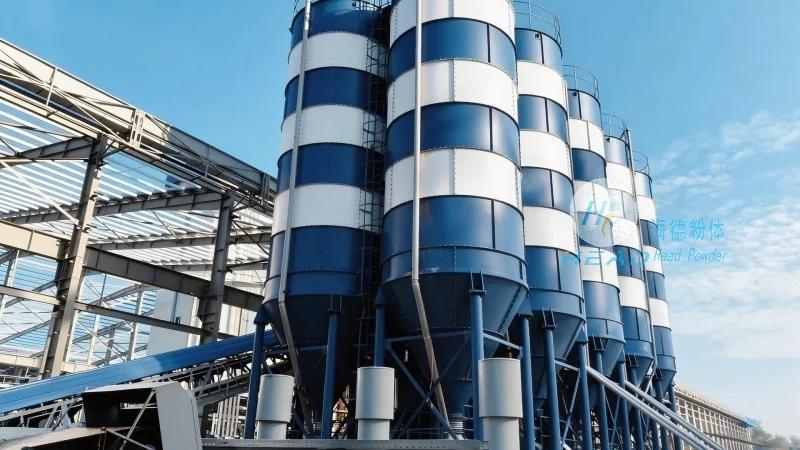
Key Characteristics of Phosphorus Pentoxide Pneumatic Conveying Systems
The pneumatic conveying of phosphorus pentoxide is characterized by several distinct features that make it an attractive option for industrial applications. These characteristics include operational efficiency, safety, and environmental benefits.
Firstly, pneumatic conveying offers high efficiency in material handling. The system can transport P₂O₅ at high speeds, reducing the overall time required for material movement compared to traditional methods like bucket elevators or belt conveyors. This efficiency is particularly valuable in high-throughput industrial settings where continuous production is essential. The ability to convey material over long distances without intermediate storage or handling points minimizes downtime and improves overall productivity.
Secondly, safety is a critical consideration when handling P₂O₅, a highly reactive and potentially hazardous substance. Pneumatic conveying systems provide a closed-loop environment, preventing dust exposure and minimizing the risk of accidental release. The enclosed pipeline and controlled air flow reduce the likelihood of P₂O₅ coming into contact with personnel or the environment, thereby enhancing workplace safety. Additionally, the system can be equipped with safety features such as pressure relief valves and emergency shutdown mechanisms to further mitigate risks.
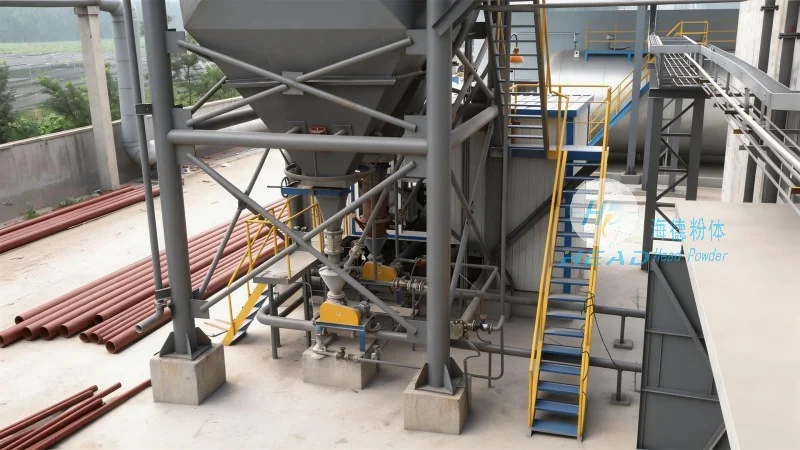
Thirdly, environmental considerations play a significant role in the adoption of pneumatic conveying for P₂O₅. The closed system design reduces emissions and dust pollution, aligning with environmental regulations and sustainability goals. Unlike open systems that may generate dust clouds, pneumatic conveying minimizes the release of airborne particles, contributing to a cleaner working environment. This is especially important in regions with strict air quality standards or where the material is classified as a hazardous substance.
Another notable characteristic is the flexibility of pneumatic conveying systems. They can be adapted to various operational needs, including changes in material flow rates, conveying distances, or destination points. The modular design allows for easy expansion or modification of the system to accommodate future production increases or process changes. This adaptability makes the technology suitable for a wide range of industrial applications, from small-scale laboratory operations to large-scale manufacturing facilities.
Operational Considerations and Best Practices
While pneumatic conveying offers numerous advantages, proper operation and maintenance are essential to ensure optimal performance and safety. Several key considerations must be addressed when implementing a P₂O₅ pneumatic conveying system.
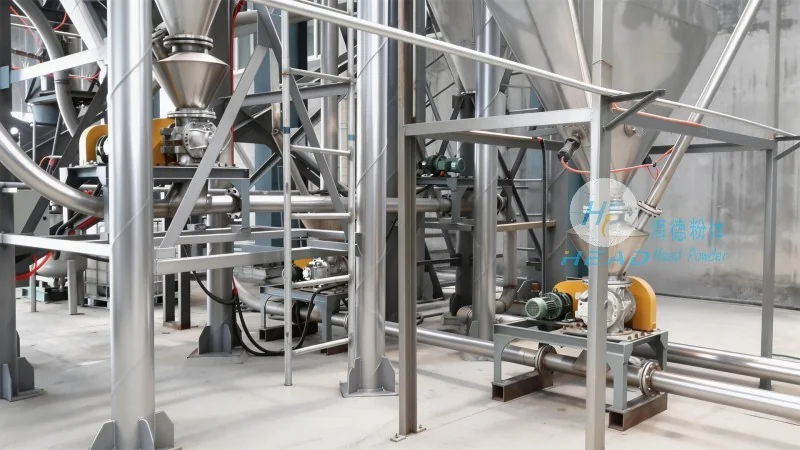
Material properties are a primary factor in system design. Phosphorus pentoxide is highly hygroscopic, meaning it readily absorbs moisture from the air. This property can affect the conveying process, as moisture can cause clumping or blockages in the pipeline. To mitigate this, the system may include drying or dehumidification components to maintain the material's dryness. Additionally, the material's abrasiveness and particle size distribution must be considered, as these factors influence the choice of equipment and pipeline materials.
System maintenance is critical to prevent downtime and ensure long-term reliability. Regular inspection of pipelines, valves, and feeders is necessary to detect wear or damage. Corrosion-resistant materials and proper sealing techniques are essential to prevent leaks and maintain system integrity. The air filtration system, particularly in positive pressure systems, should be regularly cleaned or replaced to prevent dust accumulation and maintain air quality. Proper training of operators on system operation and emergency procedures is also vital to ensure safe and efficient operation.
Integration with other industrial processes is another consideration. Pneumatic conveying systems can be integrated with storage tanks, reactors, or processing equipment to form a complete material handling solution. This integration allows for seamless material transfer from production to storage or processing, enhancing overall process efficiency. However, careful planning is required to ensure compatibility between the conveying system and other equipment, including matching pressure and flow rates.
Conclusion
Phosphorus pentoxide pneumatic conveying systems represent a sophisticated and effective solution for the safe and efficient transportation of this critical chemical. By leveraging the principles of gas-solid flow, these systems offer advantages in operational efficiency, safety, and environmental performance. The technology's adaptability and flexibility make it suitable for a wide range of industrial applications, from small-scale laboratory use to large-scale manufacturing. As industrial processes continue to evolve, the importance of reliable material handling systems like pneumatic conveying will only increase. For companies dealing with phosphorus pentoxide, investing in a well-designed and maintained pneumatic conveying system is essential to meet production demands while ensuring workplace safety and environmental compliance.