

What is a cement dry ash powder pneumatic conveying line? What are its design principles?
Cement dry ash powder pneumatic conveying lines are specialized systems designed to transport dry powders, such as cement and fly ash, through an air-driven mechanism. These systems are crucial in industrial settings where efficient and safe material handling is essential. The primary function of a pneumatic conveying line is to move bulk dry materials from one location to another without the need for mechanical components like belts or buckets, which can be prone to wear and maintenance issues.
Introduction to the Cement Dry Ash Powder Pneumatic Conveying Line
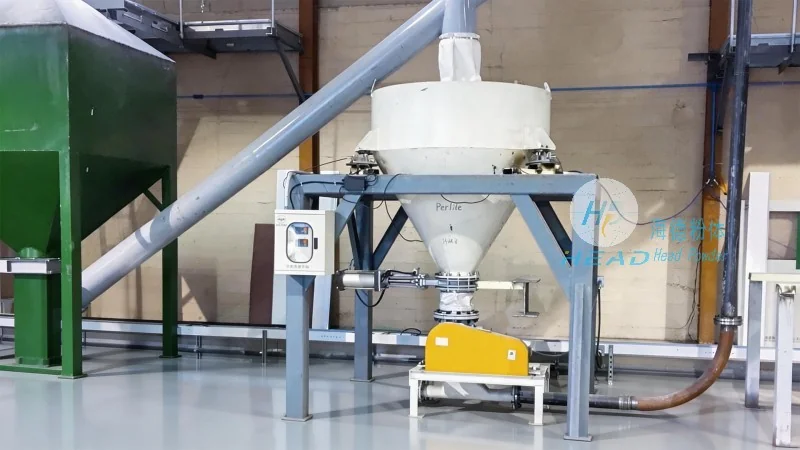
The cement dry ash powder pneumatic conveying line is a sophisticated piece of industrial equipment used to transport dry powders like cement and fly ash. This technology leverages the power of compressed air to move material through a pipeline system. Unlike traditional conveying methods that rely on mechanical components, pneumatic conveying offers advantages such as reduced maintenance, lower operational costs, and the ability to handle a wide range of particle sizes and moisture contents. The system typically consists of a hopper for material storage, a feeder to control the flow rate, a compressor to generate the air pressure, and a pipeline network that transports the material to the destination point. The entire process is automated, ensuring consistent and reliable material transfer.
HeadPowder: A Leading Provider of Pneumatic Conveying Solutions
Shandong HeadPowder Engineering Co., Ltd., commonly known as HeadPowder, is a prominent manufacturer and supplier of pneumatic conveying systems. With a strong presence in China, particularly in Shandong province, HeadPowder specializes in designing and manufacturing customized solutions for various industrial applications. The company’s expertise lies in understanding the unique requirements of different industries, such as cement production, power generation, and construction, and tailoring the conveying lines to meet those needs. HeadPowder’s commitment to quality and innovation has made it a trusted partner for businesses seeking efficient and reliable material handling solutions.
Design Principles of the Cement Dry Ash Powder Pneumatic Conveying Line
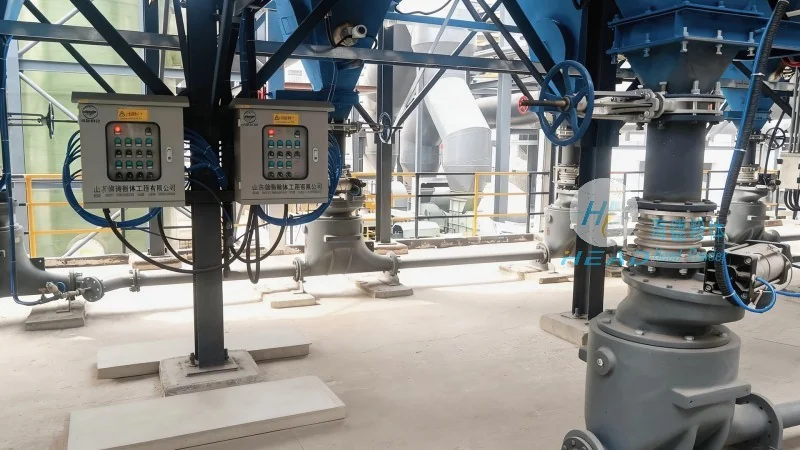
The design of a cement dry ash powder pneumatic conveying line is based on several key principles to ensure optimal performance and efficiency. The first principle is the selection of the appropriate conveying method, which can be categorized into dilute phase or dense phase systems. Dilute phase systems use high air velocities to transport material in a suspended state, while dense phase systems use lower velocities and higher air-to-material ratios to move material in a slurry-like state. The choice of method depends on factors such as the material's properties, the distance to be conveyed, and the required flow rate. Another critical principle is the calculation of air velocity and pressure. Engineers must determine the optimal air velocity to prevent material settling in the pipeline and ensure smooth flow. The pressure drop along the pipeline is also carefully calculated to maintain the required air flow and avoid excessive energy consumption. The system's components, including the hopper, feeder, and compressor, are designed to work in harmony to achieve the desired conveying performance. Additionally, the design considers factors like material moisture content, particle size distribution, and the presence of abrasive particles to ensure the system's longevity and reliability.
Key Components and Their Functions in the Pneumatic Conveying System
The cement dry ash powder pneumatic conveying line consists of several key components, each playing a vital role in the overall operation. The first component is the material hopper, which stores the dry powder and provides a consistent feed to the system. The hopper is typically designed with a conical bottom to facilitate material flow and prevent clogging. The feeder, often a rotary valve or a screw feeder, controls the flow rate of the material into the pipeline. This component ensures that the material is introduced at a controlled rate, preventing overloading or underloading of the system. The compressor is the heart of the pneumatic conveying system, generating the necessary air pressure to move the material. There are different types of compressors, such as rotary lobe or centrifugal compressors, each with its own advantages and disadvantages. The choice of compressor depends on factors like the required pressure, flow rate, and energy efficiency. The pipeline network connects all components and transports the material from the source to the destination. The pipeline is usually made of stainless steel or other corrosion-resistant materials to withstand the abrasive nature of the dry powder. The system may also include filters and cyclones to separate the material from the air and prevent dust accumulation in the compressor and other components. These components help maintain the system's efficiency and prolong its lifespan.
Applications and Benefits of the Cement Dry Ash Powder Pneumatic Conveying Line
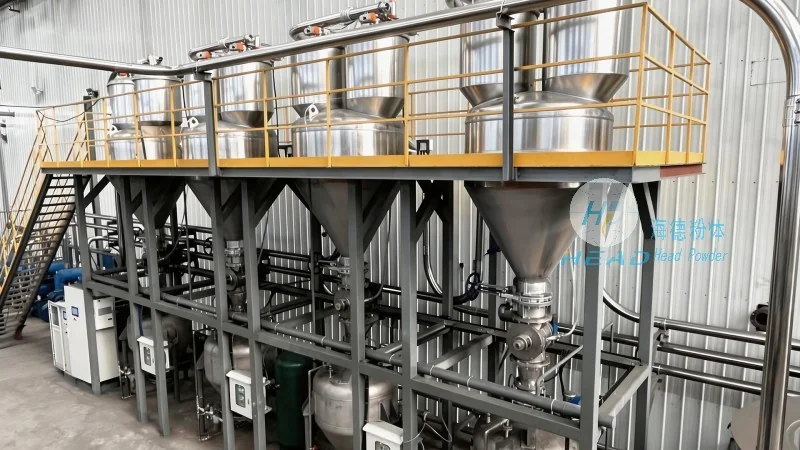
The cement dry ash powder pneumatic conveying line finds applications in various industries, including cement production, power generation, and construction. In cement plants, these systems are used to transport raw materials like limestone and fly ash from storage silos to the grinding mills. In power plants, they are used to convey fly ash from the boiler to the storage silos. The construction industry also benefits from these systems, as they can transport cement and other dry materials to job sites efficiently. The benefits of using a pneumatic conveying line include reduced labor costs, improved safety by eliminating manual handling of powders, and increased production efficiency. The system also minimizes material loss and contamination, ensuring that the material reaches its destination in the same condition as when it was stored. Additionally, the automated nature of the system reduces the risk of human error and improves overall operational consistency.
Customization and Maintenance of the Pneumatic Conveying Line
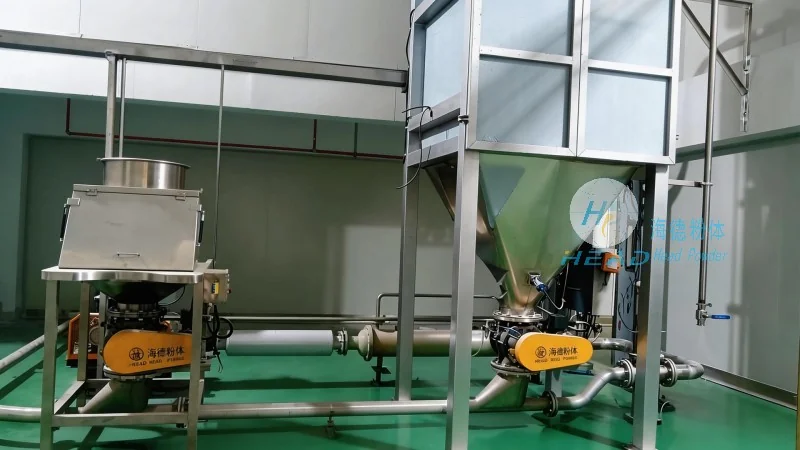
HeadPowder offers customized solutions for cement dry ash powder pneumatic conveying lines to meet the specific needs of each client. The company works closely with customers to understand their requirements and design a system that is tailored to their application. This includes selecting the appropriate conveying method, determining the optimal component specifications, and ensuring compliance with industry standards. The customization process also considers factors like the material's properties, the conveying distance, and the required flow rate. Once the system is installed, regular maintenance is essential to ensure its long-term performance. HeadPowder provides maintenance services and spare parts to support its clients. Regular maintenance includes checking the compressor's performance, cleaning the filters and cyclones, and inspecting the pipeline for any signs of wear or damage. By following a regular maintenance schedule, the system's efficiency and lifespan can be maximized, reducing downtime and operational costs.
Conclusion
In conclusion, the cement dry ash powder pneumatic conveying line is a vital industrial system that efficiently transports dry powders like cement and fly ash. The design principles and components of this system are carefully engineered to ensure optimal performance, reliability, and efficiency. HeadPowder, with its expertise and commitment to quality, provides customized solutions that meet the unique needs of various industries. By leveraging pneumatic conveying technology, businesses can improve their material handling processes, reduce costs, and enhance safety. The future of industrial material handling continues to evolve, and pneumatic conveying systems will remain a key component in ensuring efficient and sustainable operations.