

What is Sulfur Powder Material Handling? And What Are the Design Principles?
Understanding the complexities of sulfur powder material handling is crucial for industries that rely on this chemical for various applications. Sulfur powder, a fine, crystalline substance, presents unique challenges during transportation and storage due to its physical and chemical properties. This article explores the fundamental aspects of sulfur powder material handling and the key design principles that ensure efficient, safe, and reliable operations.

Introduction to Sulfur Powder Material Handling
Sulfur powder is widely used in industries such as agriculture, pharmaceuticals, and chemical manufacturing. Its handling requires specialized equipment and systems to address issues like dust generation, caking, and potential explosion hazards. Proper material handling not only enhances operational efficiency but also minimizes safety risks associated with sulfur powder processing.
Key Challenges in Sulfur Powder Handling
Handling sulfur powder involves several challenges that must be addressed through thoughtful system design. One primary concern is the tendency of sulfur powder to form lumps or agglomerates, which can obstruct flow and reduce system performance. Additionally, sulfur powder is a fine particulate that can create significant dust, posing inhalation risks and requiring effective dust control measures. Another critical challenge is the risk of static electricity buildup, which can lead to sparks and potential explosions in the presence of flammable sulfur dust. These challenges necessitate the use of specialized equipment and design strategies to ensure safe and efficient material handling.
Design Principles for Sulfur Powder Handling Systems
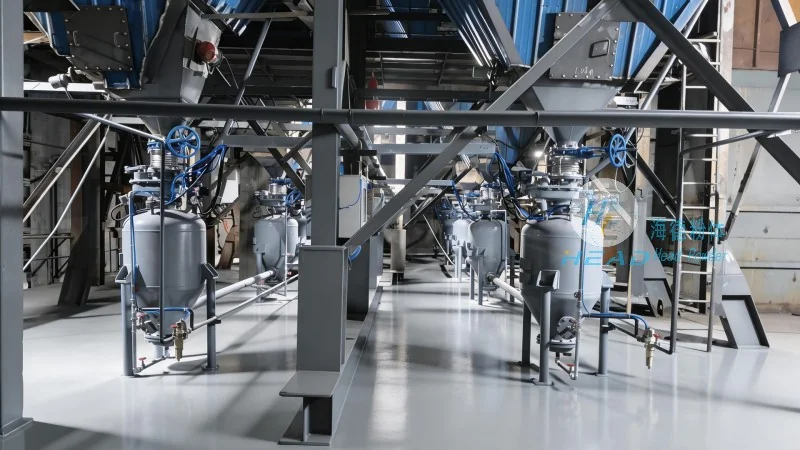
The design of a sulfur powder handling system is guided by several core principles aimed at mitigating the challenges outlined above. First, all components must be designed to operate in a closed system to prevent dust release and minimize exposure to personnel. This includes using sealed hoppers, conveyor systems, and storage silos that maintain an inert or controlled atmosphere. Second, equipment must be selected to prevent caking and maintain consistent flow. This often involves incorporating vibration devices, rotary valves, or pneumatic conveying systems that ensure the powder moves smoothly without obstruction. Third, static electricity must be managed through grounding and anti-static materials to eliminate the risk of sparks. Finally, the system must be constructed from materials that are compatible with sulfur powder, avoiding corrosion or chemical reactions that could degrade the material or equipment.
Components of a Typical Sulfur Powder Handling System
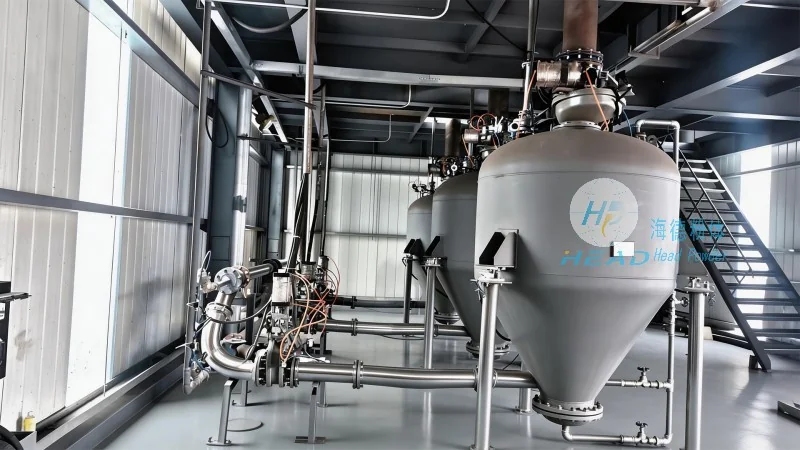
A typical sulfur powder handling system consists of several interconnected components, each designed to address specific handling needs. The system typically begins with a feeding hopper, which stores and feeds the sulfur powder to the processing equipment. The hopper is often equipped with a rotary valve or feeder to control the flow rate and prevent clogging. From the hopper, the powder is transported to the processing or storage area using various conveying methods, such as pneumatic conveying (air-assisted) or mechanical conveyors (belt or screw). Pneumatic conveying is particularly effective for fine powders like sulfur, as it can transport the material over long distances while maintaining a closed system. The storage silo or tank is another critical component, designed to hold large quantities of sulfur powder while minimizing the risk of caking and ensuring easy access for downstream processes. Each component is carefully selected and integrated to ensure seamless material flow and operational reliability.
Safety Considerations in Sulfur Powder Handling
Safety is paramount in sulfur powder handling due to the inherent risks associated with the material. The system must be equipped with explosion-proof motors and electrical components to prevent ignition sources. Dust collection systems, such as baghouses or cartridge filters, are essential to capture any released dust and prevent it from accumulating in the environment. Additionally, personnel must be trained on proper handling procedures, including the use of personal protective equipment (PPE) like respirators and anti-static clothing. Regular maintenance and inspections are also critical to ensure the system remains in safe operating condition. By implementing these safety measures, industries can minimize the risk of accidents and ensure the well-being of their workers.
Conclusion: Ensuring Efficient and Safe Sulfur Powder Handling
Efficient and safe handling of sulfur powder requires a comprehensive approach that addresses the unique challenges posed by the material. Through the application of sound design principles, specialized equipment, and robust safety measures, industries can achieve reliable and safe material handling operations. The expertise of companies like Shandong HeadPowder Engineering Co., Ltd., with their focus on tailored solutions for powder handling, plays a vital role in ensuring that sulfur powder is handled effectively and safely. By prioritizing these aspects, businesses can enhance productivity, reduce operational risks, and maintain compliance with safety regulations.