

What is a Soybean Powder Conveying Line and What Are Its Design Principles?
Soybean powder conveying lines are specialized industrial systems engineered to transport soybean powder efficiently and safely. These systems are crucial in various industries, including food processing, animal feed production, and biotechnology, where the handling of fine powders requires precise control and minimal loss. The design of such lines is a complex process that integrates mechanical engineering, fluid dynamics, and material science to ensure optimal performance under diverse operational conditions.

Understanding the Core Components of a Soybean Powder Conveying Line
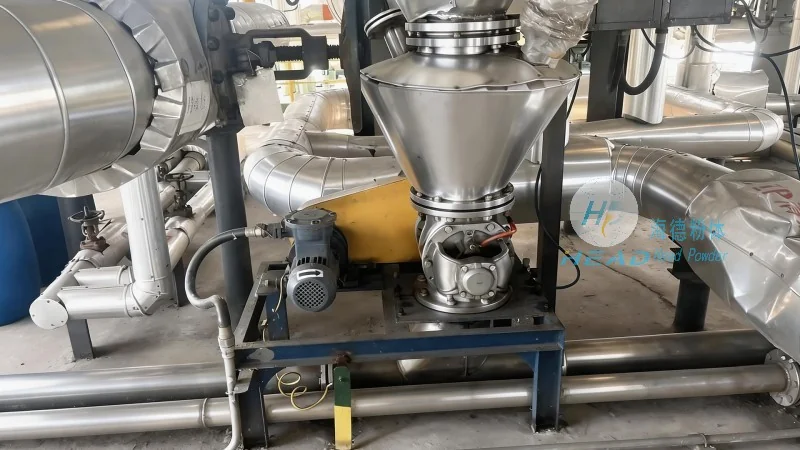
A typical soybean powder conveying line consists of several interconnected components, each playing a vital role in the overall operation. The primary elements include a feeding hopper, which stores and regulates the flow of soybean powder; a conveyor system, such as a pneumatic or mechanical conveyor, which moves the powder through the line; and a control unit, which monitors and adjusts the system parameters to maintain consistent performance. Additionally, the line may incorporate dust collection systems, filtration units, and safety features to ensure compliance with industrial standards and protect personnel from exposure to fine powders.
Design Principles for Efficient Soybean Powder Handling
The design of a soybean powder conveying line is guided by several key principles aimed at maximizing efficiency, minimizing material degradation, and ensuring operational safety. One of the fundamental principles is the prevention of powder caking and agglomeration, which can impede flow and cause blockages. Engineers employ anti-static measures, such as grounding and conductive materials, to reduce static electricity buildup that often leads to powder sticking to surfaces. Furthermore, the system is designed to maintain consistent air pressure and flow rates, as fluctuations can affect the uniformity of powder transport. The choice of conveyor type—whether pneumatic (air-driven) or mechanical (belt or screw-driven)—depends on factors like the powder's moisture content, particle size, and the required conveying distance. Pneumatic systems are particularly effective for fine powders due to their ability to handle high volumes and navigate complex layouts, while mechanical systems offer better control over low-volume, high-density materials.
Key Design Considerations for Soybean Powder Conveying
Several critical factors must be considered during the design and implementation of a soybean powder conveying line. First, the material of construction is essential to prevent contamination and corrosion. Stainless steel and food-grade plastics are commonly used for components that come into direct contact with the powder, as they resist chemical reactions and maintain hygiene standards. The system's layout is another critical aspect, as it must accommodate the flow path, minimize bends and turns, and allow for easy maintenance and cleaning. Engineers also evaluate the impact of powder properties, such as particle size distribution, bulk density, and flowability, as these characteristics influence the selection of conveyor speed, air velocity, and hopper design. For instance, finer powders may require higher air velocities to prevent settling, while coarser powders can be conveyed at lower speeds with less air pressure.
Role of Shandong HeadPowder Engineering Co., Ltd. in Design and Implementation
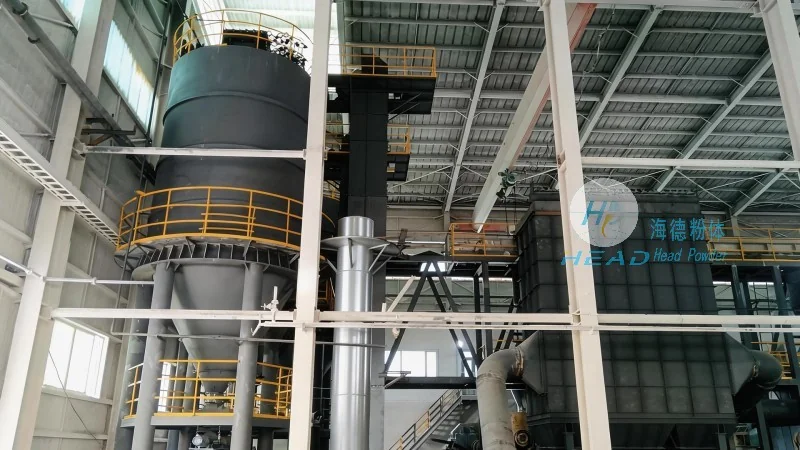
Shandong HeadPowder Engineering Co., Ltd., a leading manufacturer based in China, specializes in the design, manufacturing, and installation of advanced powder conveying systems. With years of experience in the industry, the company has developed a deep understanding of the unique challenges associated with handling soybean powder and other fine materials. Their expertise lies in tailoring conveying lines to meet specific customer requirements, ensuring that each system is optimized for efficiency, reliability, and safety. The company's engineers work closely with clients to assess operational needs, analyze material characteristics, and propose customized solutions that address individual production challenges. By leveraging cutting-edge technology and adherence to international standards, Shandong HeadPowder Engineering Co., Ltd. ensures that their conveying lines deliver consistent performance and contribute to the overall productivity of food processing and related industries.
Conclusion: The Importance of Well-Designed Soybean Powder Conveying Lines
In conclusion, soybean powder conveying lines are sophisticated systems that play a vital role in the efficient processing of soybean products. The design principles, components, and considerations discussed above highlight the complexity and importance of these systems in maintaining product quality, minimizing waste, and ensuring operational safety. As a key player in the industry, Shandong HeadPowder Engineering Co., Ltd. continues to advance the technology and application of powder conveying systems, providing reliable solutions that meet the evolving needs of modern food and industrial processes. The proper design and implementation of such lines are essential for optimizing production efficiency and ensuring the long-term success of businesses in the soybean processing sector.