

What is a Continuous Bulk Material Feeding Conveyor? What are its Design Principles?
Continuous bulk material feeding conveyors are essential industrial equipment designed to transport and feed powders and granular materials in a continuous, controlled manner. These systems are widely used across various industries, including pharmaceuticals, chemicals, food processing, and mining, to ensure efficient material handling and consistent product flow. Understanding the core functionality and design principles of such conveyors is crucial for optimizing production processes and maintaining operational efficiency.
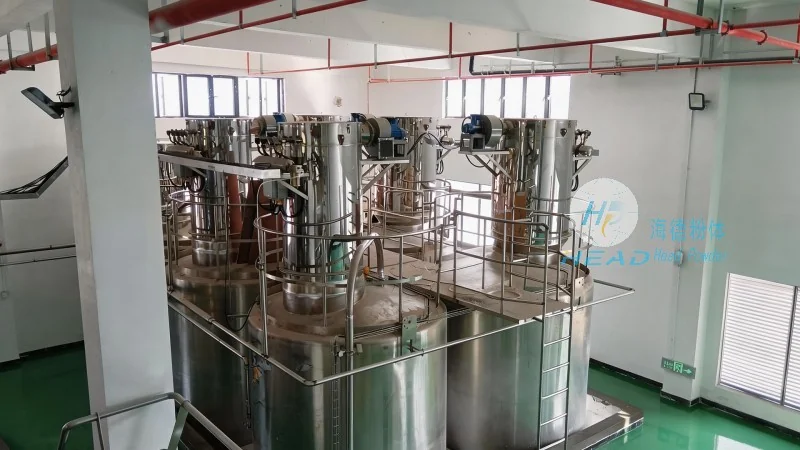
Core Functionality of Continuous Bulk Material Feeding Conveyors
At its essence, a continuous bulk material feeding conveyor operates by moving bulk materials from a storage hopper or silo to a processing or packaging unit. The primary goal is to provide a steady, uniform flow of material, which is critical for downstream processes that require precise material input. Unlike batch feeding systems, continuous conveyors maintain a constant rate of material transfer, reducing variability and improving overall process control. This functionality is achieved through a combination of mechanical components, such as screw conveyors, belt conveyors, or pneumatic systems, which work in tandem to ensure smooth material movement.
Key Design Principles for Efficient Operation
The design of a continuous bulk material feeding conveyor is governed by several critical principles aimed at maximizing performance, reliability, and safety. First, the system must be engineered to handle the specific characteristics of the material being transported—such as particle size, density, and flowability. This involves selecting appropriate conveyor components, like screw pitch and diameter, or belt width and speed, to prevent material bridging, clogging, or degradation. Second, the conveyor must maintain a consistent material flow rate, which is achieved through variable speed drives or load sensors that adjust the conveyor speed based on real-time conditions. Third, the design prioritizes durability and ease of maintenance, incorporating features like easy-to-clean surfaces, accessible components, and robust construction to minimize downtime and operational costs. Such designs are typically developed by companies like Shandong HeadPowder Engineering Co., Ltd., which specializes in creating customized bulk material handling solutions tailored to specific industry needs.
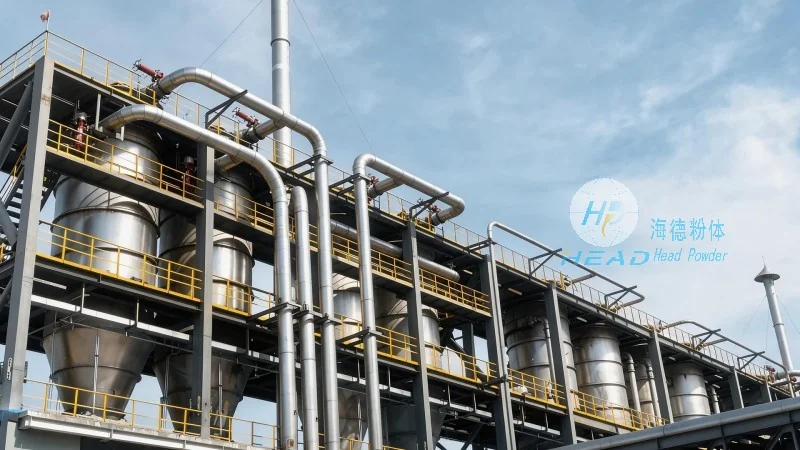
Components and Mechanisms in Continuous Bulk Material Feeding Systems
Continuous bulk material feeding conveyors typically consist of several interconnected components that work together to achieve the desired material transfer. The primary components include a hopper or storage bin, a feeding mechanism (such as a screw or rotary valve), a conveyor section (e.g., a screw conveyor or belt conveyor), and a discharge mechanism. The hopper is designed to store the bulk material and provide a stable feed to the conveyor. The feeding mechanism ensures that material is released in a controlled manner, preventing overfilling or underfilling. The conveyor section is the heart of the system, responsible for transporting the material from the hopper to the discharge point. Depending on the application, the conveyor may use a screw mechanism (rotating to push material forward) or a belt mechanism (using friction to move material along the path). The discharge mechanism then delivers the material to the next stage of the process, such as a mixer, dryer, or packaging machine.
Applications and Industry Relevance
Continuous bulk material feeding conveyors are indispensable in industries where consistent material flow is essential for quality control and production efficiency. In the pharmaceutical industry, for example, these systems are used to feed raw materials into mixing and compounding processes, ensuring that the final product meets strict purity and dosage requirements. In the chemical industry, they facilitate the transfer of reactive powders or granules into reactors or reactors, maintaining safe and controlled reaction conditions. The food processing industry relies on continuous conveyors to transport ingredients like flour, sugar, or spices into mixing and packaging lines, ensuring uniform product quality. Even in mining and mineral processing, these systems are used to move raw ore or processed materials from storage to processing equipment, optimizing the extraction and refinement processes.
Advantages of Continuous Bulk Material Feeding Conveyors
Compared to traditional batch feeding methods, continuous bulk material feeding conveyors offer several advantages that enhance operational performance and cost-effectiveness. First, they provide a consistent and uniform material flow, which reduces variability in downstream processes and improves product quality. This consistency is particularly important in industries where precise material measurements are critical, such as pharmaceuticals or food processing. Second, continuous systems are more energy-efficient than batch systems, as they operate at a constant speed and use less power to maintain a steady flow. Third, they reduce labor costs by automating the material handling process, minimizing the need for manual intervention and lowering the risk of human error. Additionally, continuous conveyors are more space-efficient, as they can be designed to fit into existing production layouts without requiring extensive modifications.
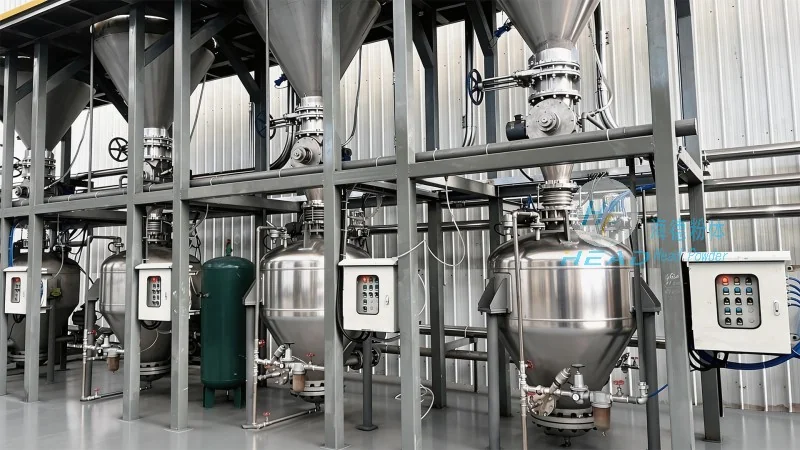
Considerations for Selecting a Continuous Bulk Material Feeding Conveyor
When selecting a continuous bulk material feeding conveyor, several factors must be considered to ensure the system meets the specific needs of the application. First, the material characteristics—such as particle size, density, and flowability—must be thoroughly evaluated to determine the appropriate conveyor type and components. For example, cohesive or sticky materials may require a screw conveyor with a higher pitch or a belt conveyor with a smooth surface to prevent material buildup. Second, the required flow rate and capacity must be matched to the conveyor's design specifications. This involves calculating the material's bulk density and the desired discharge rate to ensure the system can handle the expected throughput. Third, the system's integration with existing equipment must be considered, including compatibility with downstream processes and the need for interface components like valves or sensors. Finally, the budget and maintenance requirements must be evaluated, as continuous conveyors can vary significantly in cost and maintenance needs depending on the chosen design and components.
Conclusion
Continuous bulk material feeding conveyors are sophisticated industrial systems that play a vital role in modern manufacturing and processing operations. By understanding their core functionality and design principles, industries can select and implement the most appropriate equipment to optimize material handling, improve process efficiency, and maintain product quality. As technology advances, these systems continue to evolve, incorporating features like automation, variable speed control, and material monitoring to further enhance performance and reliability. For businesses seeking to enhance their production capabilities, investing in a well-designed continuous bulk material feeding conveyor is a strategic decision that can yield significant long-term benefits.