

What Are Automatic Material Handling Equipment? Exploring Design Principles
Automatic material handling equipment is a critical component of modern industrial and logistics operations, enabling the efficient movement of goods from one location to another with minimal human intervention. These systems are designed to streamline processes, reduce labor costs, and enhance overall productivity across various sectors such as manufacturing, warehousing, and distribution. Understanding the fundamentals of these devices and their underlying design principles is essential for businesses aiming to optimize their material handling strategies and stay competitive in today's market.
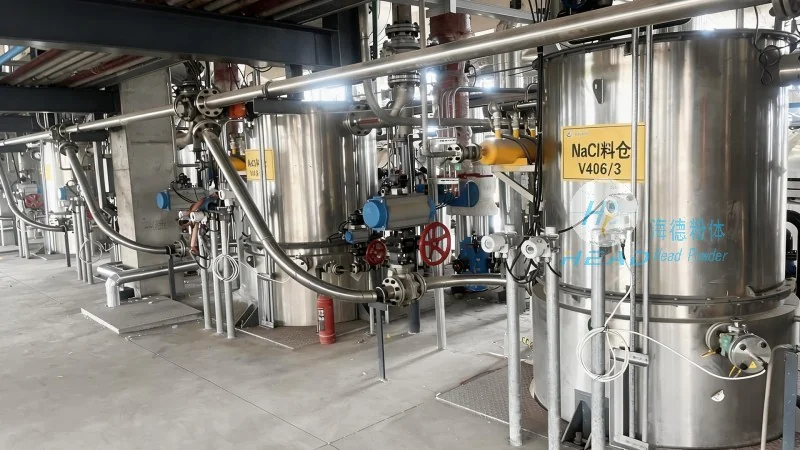
Introduction to Automatic Material Handling Equipment
At its core, automatic material handling equipment refers to a range of machinery and systems engineered to transport, store, and manage materials without direct human operation. These systems are integral to contemporary supply chain management, facilitating the seamless flow of products through production lines, storage facilities, and distribution centers. The primary objective of such equipment is to improve operational efficiency, minimize errors, and enhance safety in industrial environments. By automating material movement, organizations can achieve higher throughput rates, reduce downtime, and adapt more quickly to changing production demands.
Key Components and Design Principles
The design of automatic material handling equipment is built upon several critical components and principles that ensure reliable and efficient operation. One of the most common components is the conveyor system, which includes belt conveyors, roller conveyors, and chain conveyors. These systems are designed to move items horizontally, vertically, or at an incline, depending on the application. The choice of conveyor type is influenced by factors such as the weight, size, and shape of the materials being handled, as well as the required speed and direction of movement.
Another essential component is the control system, which typically includes sensors, controllers, and software that regulate the operation of the equipment. Sensors, such as photoelectric sensors or proximity sensors, detect the presence or absence of items, ensuring that the conveyor or other machinery operates only when necessary. Controllers, often based on programmable logic controllers (PLCs), manage the sequence of operations and coordinate the actions of multiple components. The software integrated into the control system allows for customization of the material handling process, enabling adjustments to speed, direction, and timing based on specific operational needs.
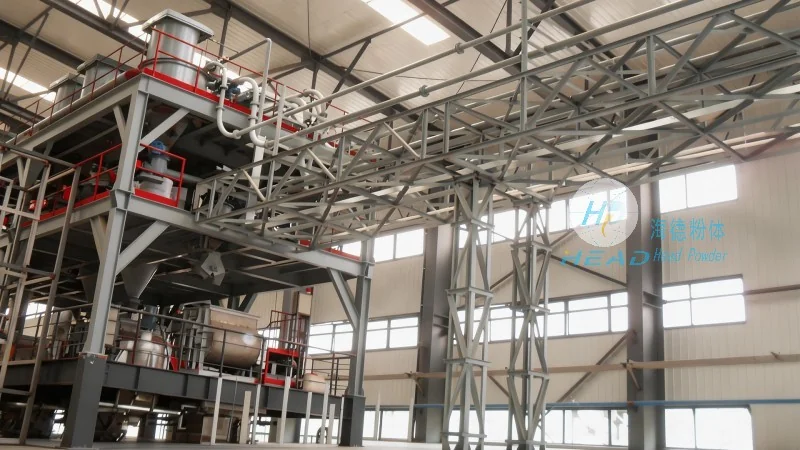
Additionally, many automatic material handling systems incorporate automation technologies like robotic arms or automated guided vehicles (AGVs). Robotic arms are used for tasks that require precision and dexterity, such as picking and placing items from shelves or assembly lines. AGVs, on the other hand, are self-propelled vehicles that navigate through a facility using sensors and pre-programmed routes. Both technologies enhance the flexibility and adaptability of material handling systems, allowing them to handle a wide variety of tasks with minimal human intervention.
Application Scenarios and Benefits
Automatic material handling equipment is widely used across various industries, including manufacturing, retail, and logistics. In manufacturing, these systems are employed to transport raw materials to production lines and move finished products to storage or shipping areas. This automation reduces the need for manual labor in repetitive tasks, allowing workers to focus on more complex and value-added activities. In warehousing and distribution centers, conveyor systems and AGVs are used to sort, store, and retrieve inventory efficiently, improving order fulfillment rates and reducing storage costs.
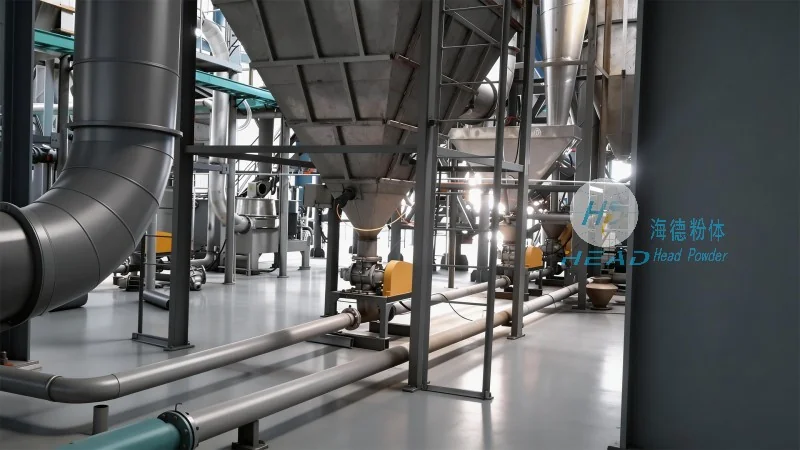
The benefits of implementing automatic material handling equipment extend beyond operational efficiency. By reducing manual handling, these systems minimize the risk of workplace injuries, such as musculoskeletal disorders or accidents caused by heavy lifting. Additionally, automation leads to improved accuracy and consistency in material movement, reducing errors that can result in lost inventory or delayed shipments. Furthermore, the scalability of these systems allows businesses to expand their operations without proportionally increasing labor costs, providing a competitive advantage in a dynamic market.
Company Profile: Shandong HeadPowder Engineering Co., Ltd.
Shandong HeadPowder Engineering Co., Ltd., a leading provider of material handling solutions, specializes in designing and manufacturing customized automatic material handling equipment tailored to the unique needs of its clients. With a strong commitment to innovation and quality, the company has established itself as a trusted partner in the industry, serving a diverse range of sectors including food processing, pharmaceuticals, and electronics. HeadPowder's expertise lies in integrating advanced technologies, such as automation and robotics, into its products to deliver efficient and reliable material handling solutions.
Headquartered in Shandong, China, HeadPowder leverages its local presence and extensive industry experience to understand and address the specific challenges faced by its customers. The company's team of engineers and technicians work closely with clients to develop solutions that optimize their material handling processes, ensuring that each project meets the highest standards of performance and safety. By focusing on customer satisfaction and continuous improvement, HeadPowder has built a reputation for delivering durable and cost-effective equipment that enhances operational efficiency and drives business growth.