

Common Buckwheat Hull Conveying Methods: Advantages and Features of HeadPowder's Pneumatic Conveying System
When it comes to transporting buckwheat hulls, selecting the right conveying method is crucial for efficiency, cost-effectiveness, and operational reliability. Buckwheat hulls are widely used in various industries, including food processing, animal feed, and biofuel production, making the choice of a suitable conveying system a critical decision for manufacturers. This article explores common buckwheat hull conveying methods and highlights the advantages and features of HeadPowder's pneumatic conveying system, a leading solution from Shandong HeadPowder Engineering Co., Ltd., based in China.
Overview of Buckwheat Hull Conveying Methods
Buckwheat hulls, also known as buckwheat husks, are the outer protective coverings of buckwheat grains. These hulls are characterized by their lightweight, porous, and abrasive nature, which presents unique challenges for material handling. Traditional conveying methods include mechanical systems such as belt conveyors, screw conveyors, and bucket elevators, as well as pneumatic systems that use air pressure to move materials. Each method has its own set of advantages and limitations, and the choice often depends on factors like material characteristics, production scale, and operational environment.
Traditional Mechanical Conveying Systems
Mechanical conveying systems have been used for decades in bulk material handling. Belt conveyors, for example, are commonly employed for transporting buckwheat hulls over short to medium distances. They are relatively simple to install and maintain, but they may struggle with the lightweight and abrasive properties of hulls, leading to increased wear on components and potential material spillage. Screw conveyors, or augers, are another option, particularly suitable for horizontal or slightly inclined transport. However, they can experience clogging issues with fine or fibrous materials like buckwheat hulls, and the high friction can lead to energy inefficiencies. Bucket elevators are designed for vertical transport and can handle abrasive materials, but they require regular maintenance to prevent wear and tear on buckets and chains.
Pneumatic Conveying Systems: The Modern Solution
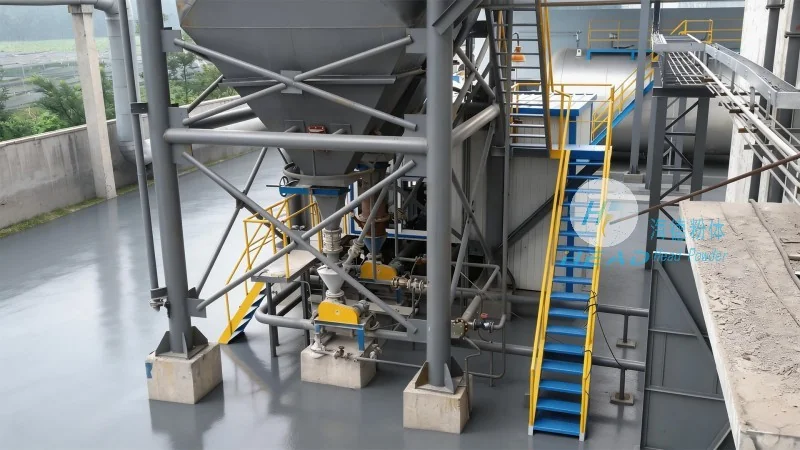
Pneumatic conveying, or air-powered conveying, has emerged as a preferred method for handling buckwheat hulls due to its ability to transport materials in a closed system, minimizing dust emissions and environmental impact. Unlike mechanical systems, pneumatic conveyors use air pressure to move materials through a network of pipes, eliminating the need for physical contact between the material and the conveyor components. This reduces wear and tear, extends equipment life, and improves overall operational efficiency. There are two main types of pneumatic conveying systems: pressure and vacuum. Pressure systems use compressed air to push materials forward, while vacuum systems use suction to draw materials into the system.
HeadPowder's Pneumatic Conveying System: Advantages and Features
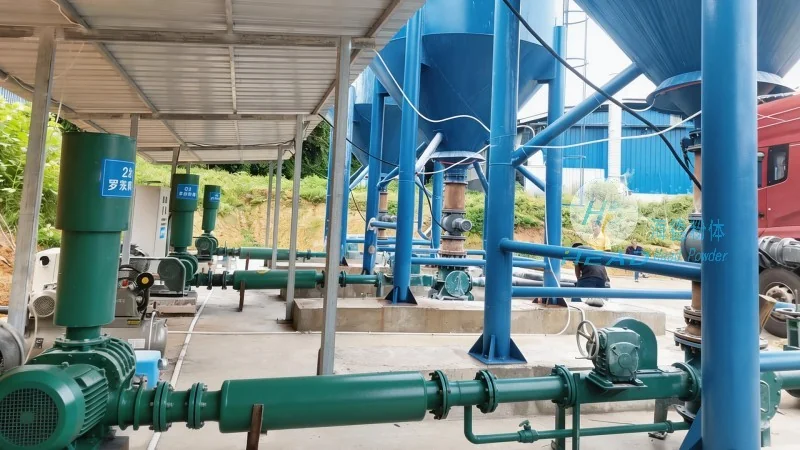
HeadPowder, a division of Shandong HeadPowder Engineering Co., Ltd., specializes in designing and manufacturing advanced pneumatic conveying systems tailored to the unique needs of buckwheat hull processing. The company's system incorporates several key advantages that set it apart from traditional solutions. First, the system is designed with high-efficiency air motors and advanced control systems, ensuring optimal energy consumption and minimal operational costs. The use of high-quality materials, such as stainless steel and corrosion-resistant components, enhances durability and resistance to the abrasive nature of buckwheat hulls, reducing maintenance requirements and downtime.
Second, HeadPowder's pneumatic conveying system offers flexible and scalable solutions. The modular design allows for easy integration with existing production lines and can be expanded to accommodate increased production volumes without major overhauls. This adaptability is particularly valuable for manufacturers undergoing growth or experiencing fluctuating demand. The system also features intelligent monitoring and control capabilities, enabling real-time tracking of material flow, pressure, and air consumption. This data-driven approach helps operators optimize performance, identify potential issues early, and ensure consistent product quality.
Environmental and Operational Benefits
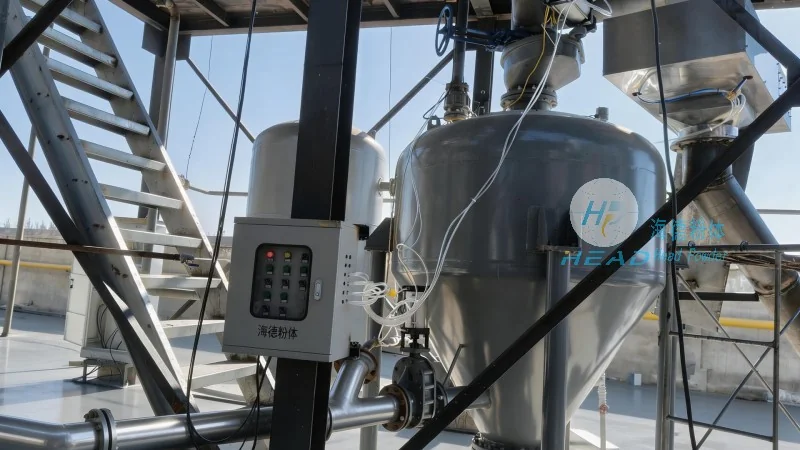
One of the most significant advantages of HeadPowder's pneumatic conveying system is its environmental impact. By operating in a closed loop, the system minimizes dust emissions, reducing the risk of air pollution and protecting the health of workers. This is especially important in industries where dust control is a regulatory requirement. Additionally, the system's low noise levels contribute to a safer and more comfortable working environment. From an operational standpoint, the system's efficiency translates into lower energy costs and reduced labor requirements. The automated control features reduce the need for manual intervention, minimizing human error and improving overall productivity.
Customization and Application Flexibility
HeadPowder understands that each buckwheat processing facility has unique requirements. Therefore, the company offers customized solutions that can be tailored to specific production needs. This includes the ability to adjust the system's capacity, pressure levels, and material handling speed based on the characteristics of the buckwheat hulls being processed. The system can handle a wide range of hull sizes and moisture content, making it suitable for various applications, from small-scale processing to large industrial operations. Additionally, the modular design allows for easy integration with other processing equipment, such as grinding mills, sieving machines, and packaging systems, creating a seamless material flow from raw hulls to finished products.
Conclusion
In conclusion, the choice of a buckwheat hull conveying method significantly impacts the efficiency and sustainability of processing operations. While traditional mechanical systems have their place, pneumatic conveying systems, particularly those from HeadPowder, offer superior performance, durability, and environmental benefits. Shandong HeadPowder Engineering Co., Ltd., with its headquarters in China, provides innovative solutions that address the specific challenges of buckwheat hull handling. By investing in a high-quality pneumatic conveying system from HeadPowder, manufacturers can enhance operational efficiency, reduce costs, and ensure compliance with environmental regulations. The company's commitment to quality, customization, and customer support makes it a trusted partner for buckwheat processing facilities worldwide.