

What is Potato Starch Material Handling? And What Are Its Design Principles?
Understanding potato starch material handling is crucial for industries involved in starch production and processing. This process involves the efficient movement of potato starch from one stage of production to another, ensuring smooth workflow and optimal operational efficiency. The design principles behind such systems are critical to achieving reliable and consistent performance, which directly impacts the overall productivity of starch processing facilities.
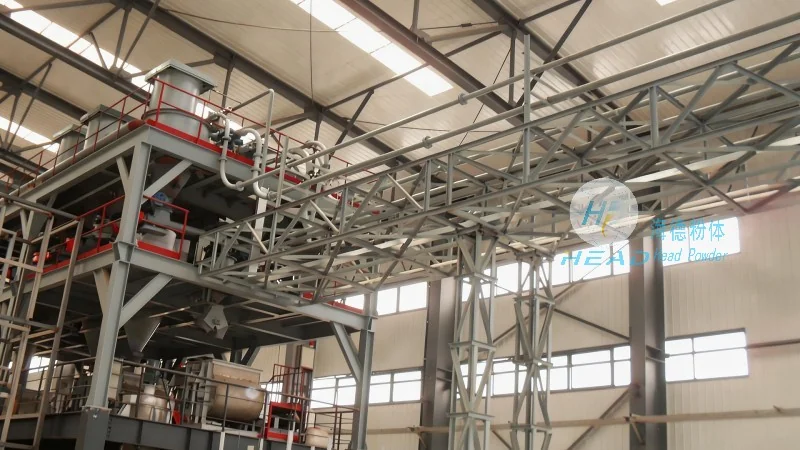
Potato Starch Material Handling: An Overview
Potato starch material handling refers to the methods and equipment used to transport potato starch, a key raw material in various industries such as food, pharmaceuticals, and cosmetics. This process typically includes the collection, transfer, and storage of starch, often from processing units like washing, grinding, and dewatering stages to subsequent drying or packaging operations. The goal is to maintain the quality of the starch while minimizing losses and ensuring that the material is handled gently to avoid degradation or contamination.
The Role of Material Handling in Starch Production
In starch production, material handling systems are integral to the entire workflow. From the initial extraction of starch from potatoes to the final product packaging, each step relies on efficient transportation. For instance, after the potato mash is processed and the starch is separated, it needs to be moved to drying equipment. This requires specialized equipment that can handle the moisture content and the physical properties of the starch, such as its granular structure and tendency to clump. Proper material handling ensures that the starch remains in optimal condition, preventing issues like caking or agglomeration that could affect downstream processes.
Design Principles for Potato Starch Material Handling Systems
The design of potato starch material handling systems is guided by several key principles aimed at maximizing efficiency, safety, and product quality. One of the primary considerations is the material's physical characteristics. Potato starch is typically granular and can be hygroscopic, meaning it absorbs moisture from the air. Therefore, the design must include features that prevent moisture buildup and maintain a dry environment. This often involves using materials that are non-corrosive and easy to clean, such as stainless steel, to prevent contamination and ensure compliance with food safety regulations.
Another critical design principle is the need for gentle handling. Starch particles are delicate and can be damaged if subjected to excessive force or impact during transportation. This is why many material handling systems use conveyor belts with soft surfaces or inclined chutes to minimize friction and prevent breakage. The design also considers the flow characteristics of the starch, ensuring that the material moves smoothly without creating blockages or uneven distribution. This is achieved through proper slope angles, adequate spacing between components, and the use of appropriate drive mechanisms.
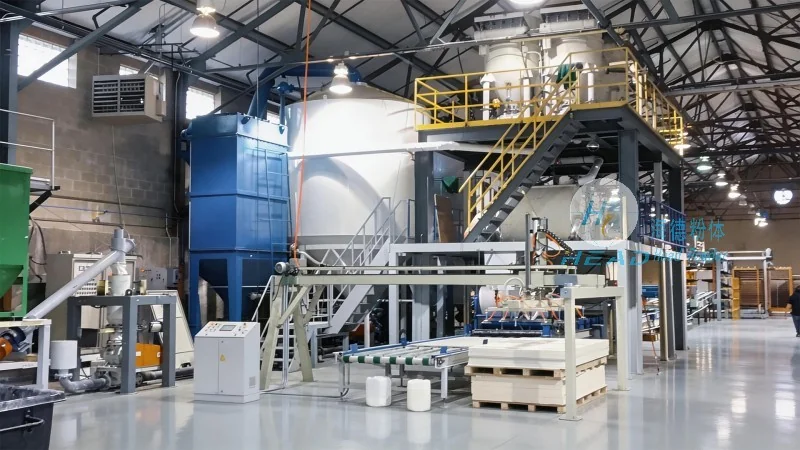
Key Components of Potato Starch Material Handling Equipment
Effective potato starch material handling relies on several key components that work in tandem to ensure seamless operation. These include conveyor systems, such as belt conveyors or screw conveyors, which are commonly used to transport starch horizontally or vertically. Belt conveyors are particularly suitable for handling granular materials like starch, as they can move large volumes with minimal maintenance. Screw conveyors, on the other hand, are ideal for vertical or inclined transport, providing a compact solution for moving starch between different levels of a processing facility.
Another essential component is the feeding and discharge mechanisms. These systems ensure that the starch is evenly distributed onto the conveyor belt or screw and that it is discharged smoothly without creating a buildup or spillage. Properly designed feed hoppers and discharge chutes help maintain a consistent flow rate, which is crucial for maintaining the quality of the starch and preventing clogging. Additionally, the use of pneumatic conveying systems may be considered for long-distance or high-volume transport, although these require careful design to handle the specific properties of potato starch.
Material Handling Solutions by Shandong HeadPowder Engineering Co., Ltd.
Shandong HeadPowder Engineering Co., Ltd., a leading provider of material handling solutions, specializes in designing and manufacturing equipment tailored to the unique needs of potato starch processing. With years of experience in the industry, HeadPowder understands the challenges associated with handling starch and has developed innovative solutions that address these issues effectively. The company's expertise lies in creating systems that are not only efficient but also durable and easy to maintain, ensuring long-term reliability for their clients.
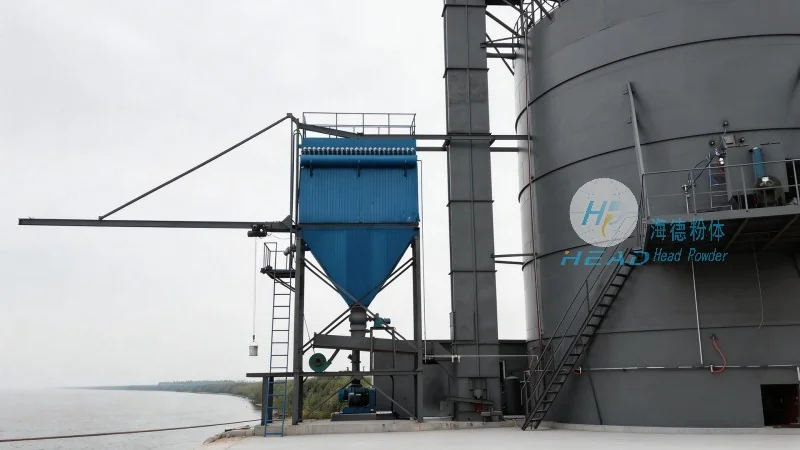
HeadPowder's material handling systems are designed with the principles discussed above in mind. They incorporate high-quality materials, such as stainless steel and food-grade plastics, to ensure compliance with industry standards and safety regulations. The company's engineers work closely with clients to understand their specific production requirements, including the volume of starch to be handled, the distance of transport, and the desired level of automation. This collaborative approach ensures that the final solution is optimized for the client's operational needs, minimizing downtime and maximizing productivity.
For example, HeadPowder may design a custom conveyor system that combines belt and screw conveyors to handle both horizontal and vertical transport of potato starch. The system may include features such as variable speed drives to adjust the flow rate based on production demands, and sensors to monitor the material level and detect any blockages. These advanced features help maintain consistent performance and provide early warnings of potential issues, allowing for timely maintenance and preventing costly production interruptions.
Conclusion: The Importance of Proper Material Handling in Potato Starch Production
In conclusion, potato starch material handling is a critical aspect of starch production that requires careful consideration of the material's properties and the design principles of the handling systems. The goal is to ensure efficient, safe, and high-quality transport of the starch from one stage of production to another. By adhering to these principles and utilizing specialized equipment, industries can enhance their operational efficiency, reduce costs, and maintain the quality of their final products.
Shandong HeadPowder Engineering Co., Ltd. stands as a trusted partner in providing tailored material handling solutions for potato starch processing. With their expertise and commitment to quality, HeadPowder helps clients optimize their production processes, ensuring reliable and consistent performance in handling potato starch. By investing in proper material handling systems, starch producers can achieve higher productivity, improved product quality, and enhanced overall operational efficiency.