

What is a Quicklime Powder Conveying System Equipment? And What Are Its Design Principles?
Quicklime, also known as calcium oxide, is a widely used industrial material in various sectors such as construction, chemical manufacturing, and environmental treatment. The efficient and safe transportation of quicklime powder is crucial for industrial operations, and this is where specialized conveying systems come into play. This article explores the concept of quicklime powder conveying systems, detailing their components, operational principles, and the underlying design philosophies that ensure optimal performance and reliability.
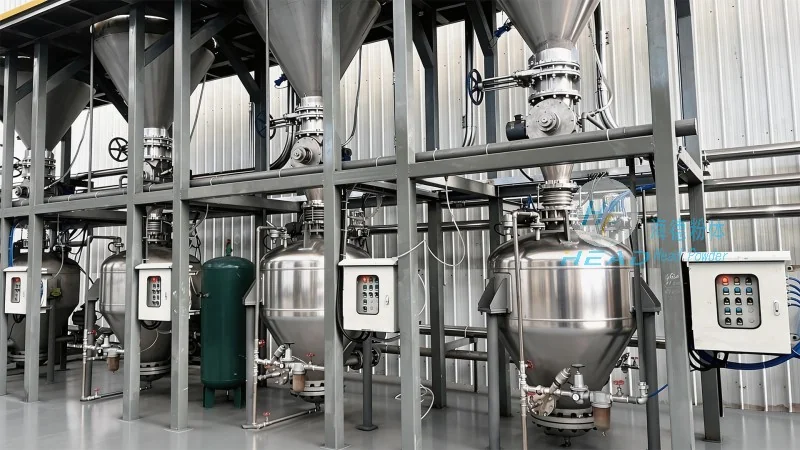
Understanding Quicklime Powder Conveying Systems
A quicklime powder conveying system is a sophisticated piece of industrial equipment designed to transport quicklime powder from storage silos or production units to processing points or end-use applications. These systems are engineered to handle the unique characteristics of quicklime, which include its fine particle size, hygroscopic nature, and potential for dust generation. The primary goal of such systems is to ensure a continuous, dust-free, and efficient flow of quicklime while maintaining safety standards and minimizing material loss.
Key Components of a Quicklime Powder Conveying System
The design of a quicklime powder conveying system typically involves several critical components that work in tandem to achieve effective material handling. These components include:
1. Storage Silo or Hopper: The system usually starts with a storage silo or a large hopper where quicklime is stored. This component is designed to maintain the material's quality by preventing moisture ingress and ensuring stable storage conditions.
2. Dosing or Feeding Mechanism: A precise dosing or feeding device, such as a rotary valve or a screw feeder, is used to control the flow rate of quicklime from the storage silo. This mechanism ensures that the material is released in a controlled manner, preventing overloading or underloading of the conveying equipment.
3. Conveying Equipment: The core of the system, this component can vary depending on the application. Common types include pneumatic conveyors (air-assisted systems), mechanical conveyors (like screw conveyors or belt conveyors), or a combination of both. Pneumatic conveyors are often preferred for quicklime due to their ability to handle fine powders and minimize dust exposure.
4. Filtering and Dust Control Systems: Given quicklime's hygroscopic and dusty nature, effective filtration and dust control are essential. These systems typically include cyclone separators, bag filters, or electrostatic precipitators to capture and remove airborne particles, ensuring a clean and safe working environment.
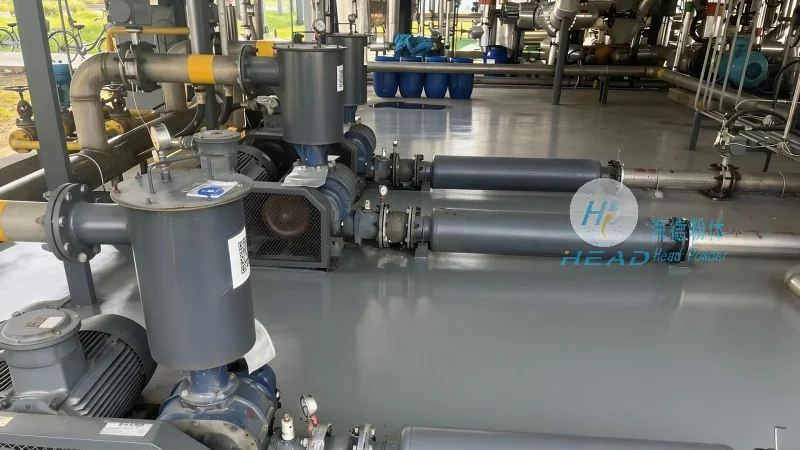
5. Control and Monitoring Systems: Modern quicklime powder conveying systems are equipped with advanced control panels and monitoring devices. These systems allow operators to track flow rates, pressure levels, and system performance in real-time, enabling quick adjustments and preventing operational issues.
Design Principles Behind Quicklime Powder Conveying Systems
The design of a quicklime powder conveying system is guided by several key principles aimed at optimizing performance, safety, and efficiency. These principles include:
1. Material Compatibility: The system components must be constructed from materials that are resistant to quicklime's chemical properties. Typically, materials like stainless steel, special alloys, or coated components are used to prevent corrosion and material degradation.
2. Airflow Management: In pneumatic conveying systems, the design focuses on maintaining optimal airflow rates to ensure the material is fully suspended and transported without clogging. Proper air velocity and pressure are critical to prevent material settling or blockages.
3. Dust Suppression: To comply with environmental regulations and maintain workplace safety, dust suppression is a fundamental design consideration. This involves using sealed systems, effective filtration, and possibly adding moisture or other agents to reduce dust generation.
4. Energy Efficiency: Modern designs prioritize energy efficiency by optimizing air pressure, reducing friction losses, and using energy-saving components. This not only lowers operational costs but also aligns with sustainability goals.
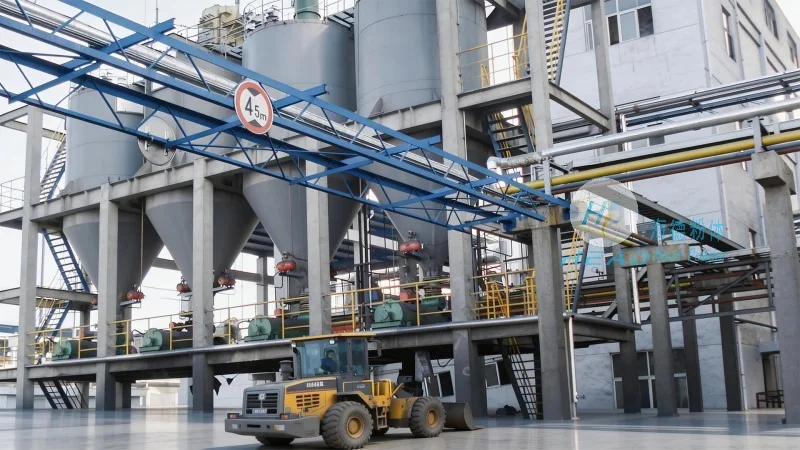
5. Scalability and Flexibility: The system is designed to be scalable, allowing it to handle varying flow rates and material volumes. Flexibility in the system's layout also enables easy integration with existing industrial setups.
Operational Considerations and Best Practices
Proper operation and maintenance of a quicklime powder conveying system are essential for long-term performance and safety. Key operational considerations include:
1. Regular Cleaning and Maintenance: Due to quicklime's tendency to adhere to surfaces, regular cleaning of the system components is necessary to prevent blockages and ensure consistent performance.
2. Monitoring for Moisture Content: Quicklime is hygroscopic, meaning it absorbs moisture from the air. Monitoring the moisture content of the material is crucial to prevent clumping and maintain the material's quality.
3. System Start-up and Shutdown Procedures: Proper procedures for starting up and shutting down the system help prevent damage to components and ensure smooth operation.
4. Safety Protocols: Given the potential for dust explosions and the material's caustic nature, strict safety protocols must be followed, including the use of personal protective equipment (PPE) and regular system inspections.
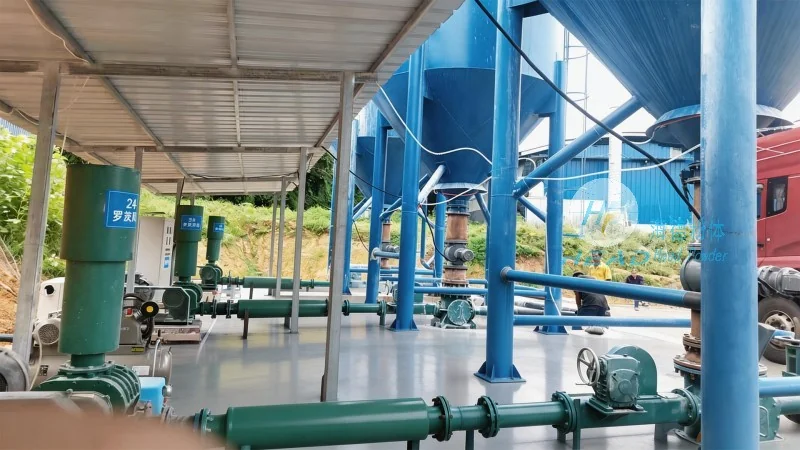
Applications and Industries Using Quicklime Powder Conveying Systems
Quicklime powder conveying systems are utilized in a wide range of industries where quicklime is a key raw material. These include:
1. Construction and Building Materials: Quicklime is used in the production of cement, mortar, and other building materials. The conveying system ensures a steady supply of quicklime to the production lines.
2. Chemical Manufacturing: In chemical plants, quicklime is used in processes such as flue gas desulfurization and the production of calcium-based chemicals. The system facilitates the transport of quicklime to these processes.
3. Environmental Treatment: Quicklime is used in wastewater treatment and soil remediation. The conveying system delivers the material to treatment facilities efficiently.
4. Steel and Metal Processing: Quicklime is used in steelmaking to control slag formation and improve product quality. The system ensures a reliable supply of quicklime to the steel production units.
Conclusion
Quicklime powder conveying systems are essential equipment in industries that rely on quicklime as a raw material. The design of these systems is based on principles that prioritize material handling efficiency, safety, and environmental compliance. By understanding the components and design principles of such systems, industries can ensure optimal performance, reduce operational costs, and maintain a safe working environment. As a leading provider in this field, Shandong HeadPowder Engineering Co., Ltd. specializes in designing and manufacturing high-quality quicklime powder conveying systems tailored to meet the specific needs of various industrial applications.