

What is a Phosphorus Pentachloride Powder Conveying Machine? And What Are Its Design Principles?
Phosphorus pentachloride (PCl5) is a highly reactive and corrosive chemical compound widely used in industrial applications such as organic synthesis, pesticide production, and chemical manufacturing. Due to its hazardous nature and tendency to absorb moisture from the air, efficient and safe powder handling is crucial when transporting PCl5. This article explores the concept of a phosphorus pentachloride powder conveying machine and delves into its underlying design principles, highlighting the technological solutions provided by Shandong HeadPowder Engineering Co., Ltd., a leading manufacturer based in China.
Understanding the Challenges of PCl5 Powder Handling
Before discussing the conveying machine, it is essential to understand the unique challenges associated with handling phosphorus pentachloride powder. PCl5 is hygroscopic, meaning it readily reacts with moisture, which can lead to the formation of hydrochloric acid and other byproducts that are corrosive to equipment and harmful to personnel. Additionally, PCl5 is a potent irritant and can cause severe respiratory issues if inhaled. These factors necessitate specialized equipment designed to minimize exposure and prevent contamination during the conveying process. The conventional methods of manual handling or open-air transport are not feasible due to the risk of inhalation and equipment corrosion. Therefore, a dedicated powder conveying system is indispensable for safe and efficient operation.
Introducing the Phosphorus Pentachloride Powder Conveying Machine by HeadPowder
Shandong HeadPowder Engineering Co., Ltd., headquartered in Shandong, China, specializes in the design and manufacturing of advanced powder handling equipment tailored to the demands of hazardous chemical processing. The company’s phosphorus pentachloride powder conveying machine is engineered to address the specific challenges of PCl5 transport, combining robust construction with innovative features to ensure safety, reliability, and efficiency. The machine is designed to handle PCl5 in a closed system, preventing exposure to personnel and minimizing environmental contamination. HeadPowder’s expertise in material selection and engineering has led to the development of a conveying system that meets the stringent safety and performance standards required for industrial applications.

Key Design Principles of the Powder Conveying Machine
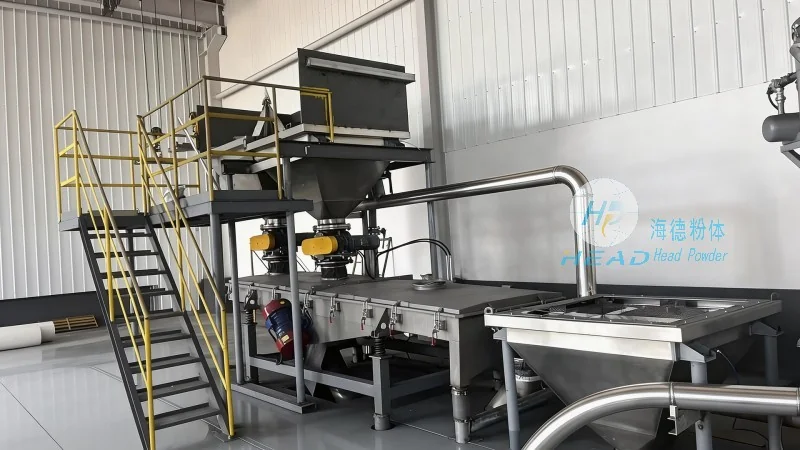
The design of the phosphorus pentachloride powder conveying machine by HeadPowder is based on several critical principles aimed at ensuring optimal performance and safety. The first principle is the use of a closed-loop system, which eliminates the risk of dust leakage and exposure to hazardous fumes. The machine incorporates a feed hopper equipped with a rotary valve or a pneumatic feeder to control the flow of PCl5 into the conveying line. This design allows for precise and controlled dosing, preventing overloading or underloading of the system. The conveying mechanism typically employs a combination of positive displacement and pneumatic technology to move the powder through the pipeline. The positive displacement component ensures consistent flow rates, while the pneumatic system provides the necessary pressure to overcome resistance in the pipeline. The pipeline itself is constructed from corrosion-resistant materials such as stainless steel or specialized alloys, which are resistant to the acidic byproducts generated when PCl5 reacts with moisture. This material choice is crucial for maintaining the integrity of the system and preventing leaks or failures.
Components and Operational Mechanism
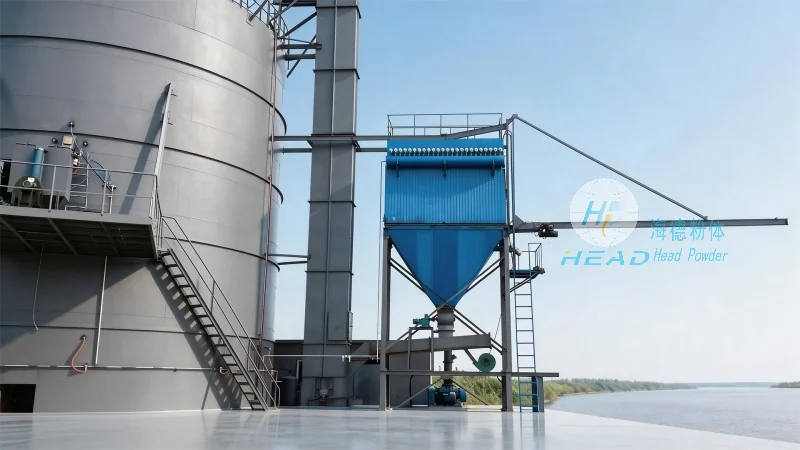
The phosphorus pentachloride powder conveying machine consists of several key components, each playing a vital role in the overall operation. The primary components include the feed hopper, rotary valve or pneumatic feeder, conveying pipeline, gas-solid separator, and a collection bin or discharge unit. The feed hopper is designed to store the PCl5 powder and is equipped with a lid to prevent moisture ingress. The rotary valve or pneumatic feeder regulates the flow of powder into the conveying line, ensuring a steady supply of material. The conveying pipeline is connected to the feeder and extends to the discharge point, where the powder is collected. The gas-solid separator is a critical component that separates the PCl5 powder from the air or gas used for conveying. This separator typically consists of a cyclone or a bag filter, which captures the powder and returns it to the system while allowing the gas to be vented or recycled. The discharge unit is designed to safely release the PCl5 powder into the next processing stage, such as a reactor or storage tank. The operational mechanism involves the feeder delivering the PCl5 powder into the pipeline, where it is mixed with a carrier gas (often air or nitrogen) under controlled pressure. The mixture is then transported through the pipeline to the separator, where the powder is separated from the gas. The separated powder is collected in the discharge bin, while the gas is either vented or recycled back into the system to maintain efficiency.
Advantages of the HeadPowder Conveying Machine
HeadPowder’s phosphorus pentachloride powder conveying machine offers several advantages over traditional handling methods. Firstly, the closed-loop system significantly reduces the risk of exposure to hazardous fumes and dust, enhancing workplace safety. Secondly, the use of corrosion-resistant materials ensures the longevity of the equipment, reducing maintenance costs and downtime. Thirdly, the precise control of powder flow allows for consistent and reliable operation, which is essential for maintaining product quality in downstream processes. Additionally, the machine is designed for easy integration into existing production lines, minimizing the need for extensive modifications to the facility. The combination of these features makes the HeadPowder conveying machine an ideal solution for industries dealing with PCl5 and other hazardous powders.
Conclusion
In conclusion, the phosphorus pentachloride powder conveying machine is a specialized piece of equipment designed to handle the unique challenges of transporting phosphorus pentachloride safely and efficiently. The design principles, including closed-loop operation, corrosion-resistant materials, and precise flow control, ensure that the machine meets the stringent safety and performance requirements of industrial applications. Shandong HeadPowder Engineering Co., Ltd., with its headquarters in Shandong, China, has developed a reliable and effective solution for PCl5 powder handling, providing industries with a safe and efficient method to transport this hazardous chemical. By understanding the design principles and operational mechanisms of the conveying machine, users can make informed decisions about implementing this technology in their production processes, ultimately enhancing safety, productivity, and overall operational efficiency.