

What is a Bag Breaker Powder Handling System? And Its Design Principles
Bag breaker powder handling systems are specialized equipment designed to efficiently manage the transfer and processing of bulk powders, particularly those contained within sealed bags. These systems play a crucial role in industries such as pharmaceuticals, food processing, and chemical manufacturing, where the safe and effective handling of powders is essential for maintaining product quality and operational efficiency. The core function of a bag breaker is to open the bag, discharge its contents into a hopper or storage tank, and then transport the material through a pipeline or conveyor system to the next stage of production. This process eliminates the need for manual bag opening and material transfer, reducing labor costs and minimizing the risk of contamination or material loss.
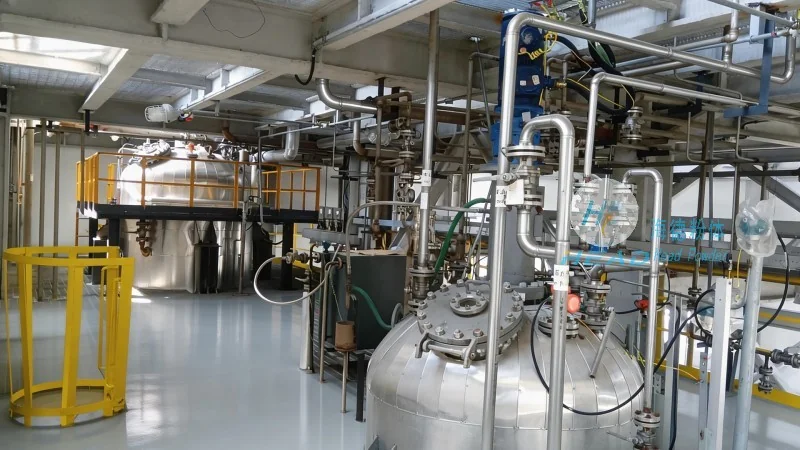
Understanding the Core Function of Bag Breaker Systems
The primary objective of a bag breaker powder handling system is to automate the material handling process from the point of bag opening to the point of transfer. By integrating a bag opening mechanism with a powder feeder and conveyor, these systems streamline operations and enhance safety. The bag breaker typically consists of a hopper that receives the bag, a mechanism to tear or cut the bag open, and a conveyor or screw feeder that transports the material to a storage silo or processing unit. This integration ensures a continuous flow of material, minimizing downtime and improving overall productivity. For example, in a pharmaceutical facility, a bag breaker can be used to handle raw materials like active pharmaceutical ingredients (APIs), ensuring that the material is transferred without exposure to air or contaminants, which is critical for maintaining the integrity of the final product.
Design Principles Underpinning Bag Breaker Technology
The design of bag breaker powder handling systems is guided by several key principles aimed at optimizing performance, safety, and efficiency. One of the fundamental principles is the need for a robust and reliable bag opening mechanism. This mechanism must be capable of handling various bag types, including plastic, paper, and composite bags, without damaging the material inside. Common bag opening methods include mechanical cutting, tearing, or pneumatic separation. The choice of method depends on the material properties of the bag and the powder being handled. For instance, a mechanical cutter is often used for rigid plastic bags, while a tearing mechanism may be more suitable for flexible paper bags. Another critical design principle is the integration of a dust collection system. Since powders are often fine and can generate dust during the transfer process, an efficient dust extraction system is essential to maintain a clean and safe working environment. This system typically includes filters and vacuum pumps to capture and remove airborne particles, preventing dust accumulation and reducing the risk of respiratory hazards for operators.
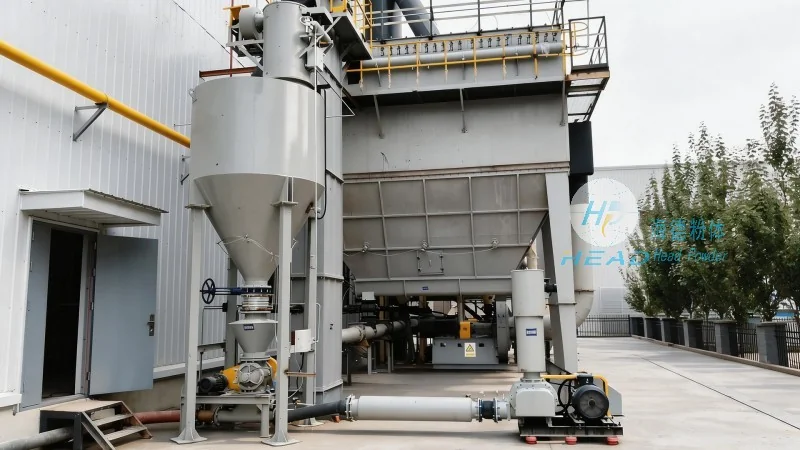
Key Components and Their Roles in the System
Bag breaker powder handling systems consist of several key components, each playing a vital role in the overall operation. The first component is the bag hopper, which serves as the receiving chamber for the sealed bag. The hopper is designed to hold the bag securely and provide a stable base for the opening mechanism. The second component is the bag opening device, which is responsible for breaking the bag open. This device can be a mechanical cutter, a tearing blade, or a pneumatic separator, depending on the system's design. The third component is the powder feeder, which transfers the material from the hopper to the conveyor or pipeline. Common feeder types include screw feeders, vibratory feeders, or rotary valves, each chosen based on the powder's flow characteristics and the required flow rate. The fourth component is the conveyor or pipeline system, which transports the material to the storage or processing unit. This system may include a silo, a mixer, or a reactor, depending on the application. Finally, the dust collection system is integrated to ensure that the material is handled in a clean and safe manner. Each component must be carefully selected and designed to work in harmony, ensuring that the system operates efficiently and reliably.
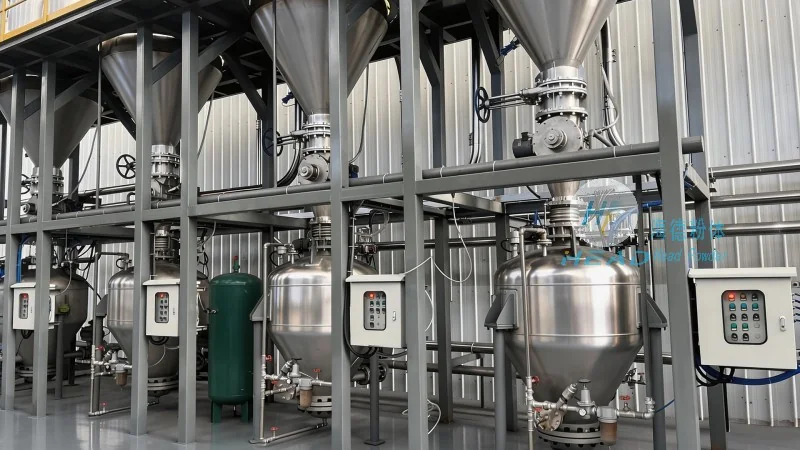
Applications and Industries Benefiting from Bag Breaker Systems
Bag breaker powder handling systems are widely used in various industries due to their ability to handle bulk powders efficiently and safely. In the pharmaceutical industry, these systems are used to handle active pharmaceutical ingredients (APIs), excipients, and other raw materials. The systems are designed to maintain a sterile environment and prevent contamination, which is critical for producing high-quality medications. In the food processing industry, bag breakers are used to handle ingredients such as flour, sugar, and spices. The systems are designed to maintain food safety standards and prevent cross-contamination. In the chemical industry, bag breakers are used to handle chemicals such as powders, granules, and pellets. The systems are designed to handle hazardous materials and prevent exposure to operators. In addition to these industries, bag breaker systems are also used in the agricultural and construction industries. For example, in the agricultural industry, bag breakers are used to handle fertilizers and pesticides. In the construction industry, bag breakers are used to handle cement and other building materials. The versatility of bag breaker systems makes them an essential tool in many industries.
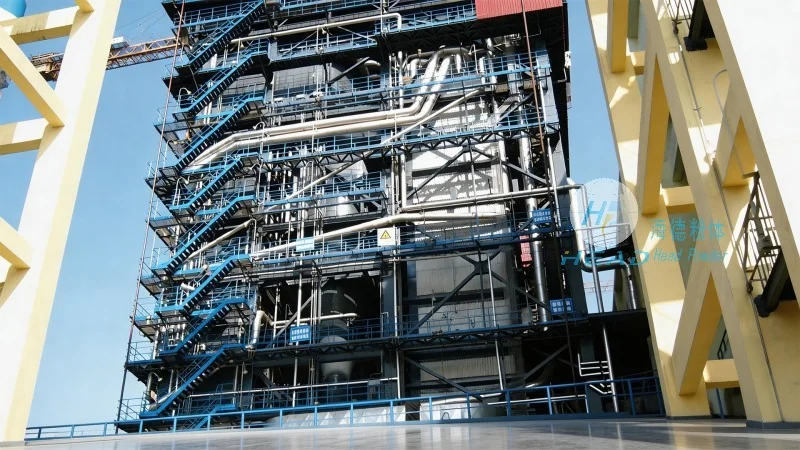
Advantages of Using Bag Breaker Powder Handling Systems
There are several advantages to using bag breaker powder handling systems in industrial applications. One of the main advantages is the reduction in labor costs. By automating the material handling process, these systems eliminate the need for manual bag opening and material transfer, reducing the number of operators required and lowering labor costs. Another advantage is the improvement in product quality. Since the material is handled in a closed system, there is less risk of contamination or material loss, which results in higher product quality. A third advantage is the increase in operational efficiency. The continuous flow of material reduces downtime and improves overall productivity. Additionally, bag breaker systems are designed to be safe and reliable, reducing the risk of accidents and equipment failure. These advantages make bag breaker systems an attractive investment for many industrial facilities.
Conclusion: The Importance of Bag Breaker Powder Handling Systems
Bag breaker powder handling systems are essential equipment for industries that handle bulk powders. These systems are designed to automate the material handling process, improving efficiency, safety, and product quality. The design principles and components of these systems are carefully selected to meet the specific needs of each application. As industries continue to evolve, the demand for efficient and reliable powder handling systems will only increase. The use of bag breaker systems will continue to play a crucial role in maintaining the competitiveness and productivity of industrial facilities. For companies looking to improve their material handling processes, investing in a bag breaker powder handling system is a wise decision that will yield significant benefits in the long run.