

What is a Dry Flue Gas Desulfurization Ash Powder Conveying System? And What Are Its Design Principl
Understanding the dry flue gas desulfurization (FGD) ash powder conveying system is crucial for industries involved in power generation and environmental protection. This system is specifically designed to handle the transportation of fine ash particles produced during the flue gas desulfurization process, which is a critical step in reducing sulfur dioxide emissions from coal-fired power plants. The efficient operation of such a system not only ensures compliance with environmental regulations but also enhances the overall performance and reliability of the power generation facility.
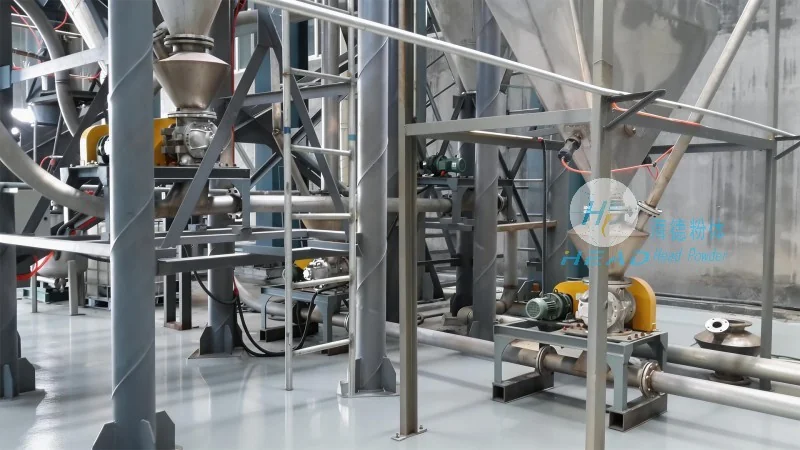
Overview of the Dry FGD Ash Powder Conveying System
The dry FGD ash powder conveying system is a specialized equipment setup that facilitates the movement of desulfurization byproducts from the reaction tower or storage silos to disposal or utilization sites. Unlike wet systems that involve water and slurry, dry systems operate by transporting dry, fine ash particles, which requires a different set of mechanisms to ensure consistent and reliable flow. The system typically includes components such as feeders, conveyors, and control systems that work in tandem to achieve the desired conveying efficiency.
Key Components and Their Functions
At the core of the dry FGD ash powder conveying system are several key components that contribute to its functionality. The first component is the ash feeder, which is responsible for uniformly feeding the ash from the storage silo into the conveying line. This feeder ensures a steady flow rate, preventing blockages or uneven distribution that could affect the system's performance. The feeder may be a rotary valve or a screw feeder, depending on the specific design and the characteristics of the ash material.
Next in the system is the conveyor itself, which can be a pneumatic conveyor or a mechanical conveyor. Pneumatic conveyors use air pressure to transport the ash particles through a pipeline, while mechanical conveyors rely on mechanical components like belts or screws to move the material. The choice between these two types depends on factors such as the distance to be covered, the volume of ash to be conveyed, and the particle size distribution. For long-distance or high-volume applications, pneumatic conveyors are often preferred due to their ability to handle large quantities of fine particles efficiently.
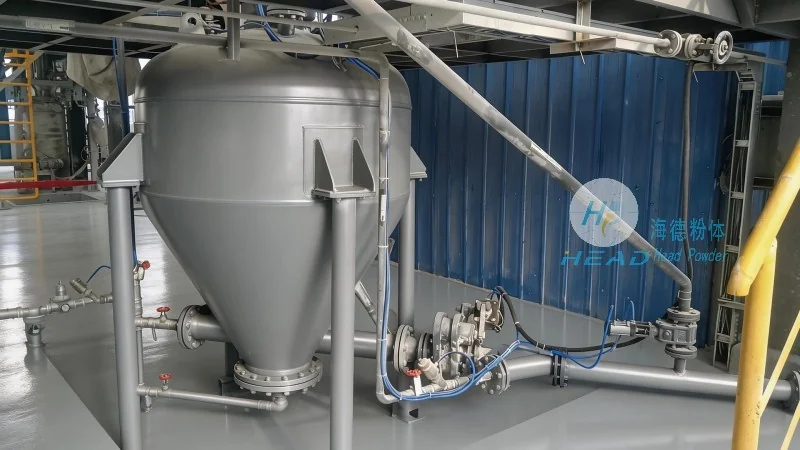
Control systems are another critical part of the dry FGD ash powder conveying system. These systems monitor various parameters such as pressure, flow rate, and temperature to ensure the safe and efficient operation of the equipment. Sensors and controllers are used to adjust the feeder speed, conveyor speed, and air pressure as needed, maintaining optimal conditions throughout the conveying process. This automation helps to minimize downtime, reduce maintenance costs, and improve the overall reliability of the system.
Design Principles and Operational Considerations
The design of a dry FGD ash powder conveying system is based on several fundamental principles that ensure its effectiveness and safety. One of the primary principles is the need to maintain a consistent and uniform flow of ash particles. This is achieved by controlling the feed rate from the silo and ensuring that the conveyor system can handle the material without causing blockages or segregation. The system must also be designed to handle the abrasive nature of the ash particles, which can cause wear and tear on the equipment over time. Therefore, materials such as stainless steel or special alloys are often used for the conveyor components to extend their service life.
Another important consideration is the prevention of dust emissions during the conveying process. Since the ash is a fine powder, it can easily become airborne and cause health hazards or environmental issues. To mitigate this, the system incorporates dust collection and filtration systems, such as cyclones or baghouses, to capture any particles that escape the conveying line. This not only ensures compliance with air quality regulations but also protects the health of workers and the surrounding environment.
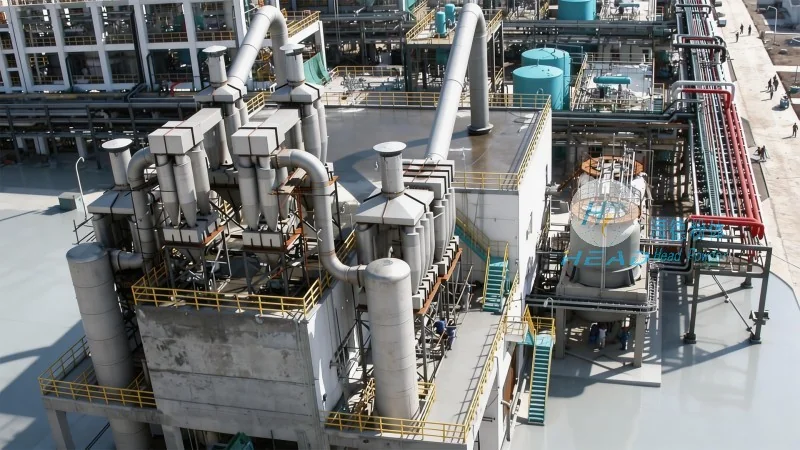
Furthermore, the system must be designed to accommodate variations in ash characteristics. Ash from different power plants may have different particle sizes, moisture content, and chemical compositions, which can affect the conveying performance. The design must therefore be flexible enough to adapt to these variations, allowing for adjustments in feeder speed, air pressure, or conveyor type as needed. This adaptability ensures that the system can operate efficiently under a wide range of conditions.
Benefits and Applications of the System
The dry FGD ash powder conveying system offers several benefits to power generation facilities and the environment. By efficiently transporting the desulfurization ash, the system helps to reduce the volume of waste that needs to be disposed of, thereby minimizing the environmental impact of the power plant. The ash can also be utilized in various applications, such as construction materials or soil amendments, which provides an additional economic benefit to the facility.

Moreover, the dry system is more energy-efficient compared to wet systems, as it does not require large amounts of water for processing. This reduces the overall water consumption of the power plant and lowers the associated costs. The system also has a smaller footprint compared to wet systems, making it more suitable for facilities with limited space. These advantages make the dry FGD ash powder conveying system an attractive option for modern power plants looking to improve their environmental performance and operational efficiency.
About Shandong HeadPowder Engineering Co., Ltd.
Shandong HeadPowder Engineering Co., Ltd., commonly known as HeadPowder, is a leading manufacturer and supplier of industrial conveying systems, including dry FGD ash powder conveying systems. With years of experience in the field, HeadPowder has developed a reputation for providing high-quality, reliable, and efficient equipment that meets the needs of its clients. The company's products are designed based on advanced engineering principles and are manufactured using state-of-the-art technology to ensure optimal performance and durability.
HeadPowder's team of experts is dedicated to understanding the specific requirements of each client and providing customized solutions that address their unique challenges. The company's commitment to quality and customer satisfaction has earned it a strong reputation in the industry, with clients ranging from power plants to industrial facilities across China and beyond. HeadPowder's headquarters is located in Shandong, China, where the company operates a state-of-the-art manufacturing facility and a research and development center.