

What Are the Methods of Textile Fiber Conveying? An Introduction to HeadPowder's Fiber Pneumatic Conveying Systems
Textile fiber processing is a critical industry that demands efficient and reliable material handling solutions to ensure smooth production workflows. The method of conveying these fibers from one point to another can significantly impact the overall efficiency, cost-effectiveness, and product quality of textile manufacturing operations. In this context, various conveying techniques have been developed to meet the specific needs of the textile industry, each with its own advantages and applications. Understanding these methods is essential for manufacturers seeking to optimize their fiber handling processes.
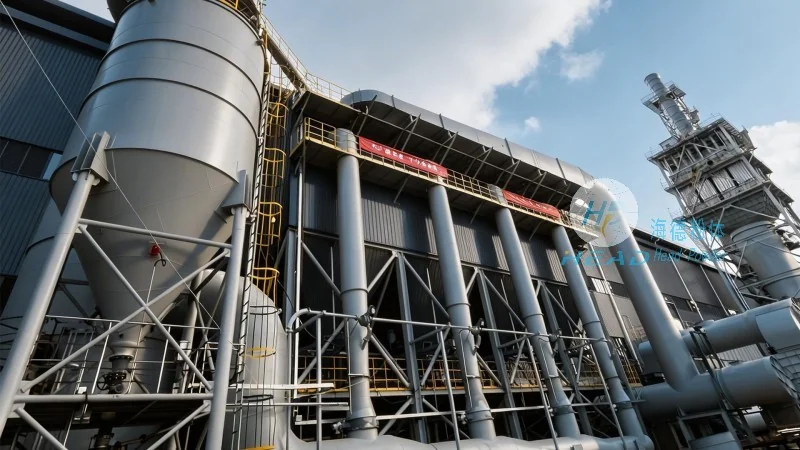
Overview of Textile Fiber Conveying Methods
Textile fibers, which include natural and synthetic materials such as cotton, polyester, nylon, and rayon, require specialized handling due to their lightweight, fine texture, and potential for static buildup. Traditional conveying methods, like belt conveyors and screw conveyors, may not be suitable for delicate fibers as they can cause damage, breakage, or contamination. Consequently, the textile industry has embraced more advanced and gentle conveying technologies to address these challenges. Among the most effective solutions is pneumatic conveying, which offers a non-contact, low-impact method for transporting fibers with precision and control.
HeadPowder's Fiber Pneumatic Conveying Systems
Shandong HeadPowder Engineering Co., Ltd., a leading provider of industrial conveying solutions, specializes in developing and manufacturing advanced fiber pneumatic conveying systems tailored to the unique requirements of the textile sector. The company's expertise lies in creating customized systems that ensure minimal fiber loss, low maintenance, and high operational efficiency. HeadPowder's systems are designed to handle a wide range of textile fibers, from fine cotton to heavy synthetic blends, while maintaining the integrity of the material throughout the conveying process.
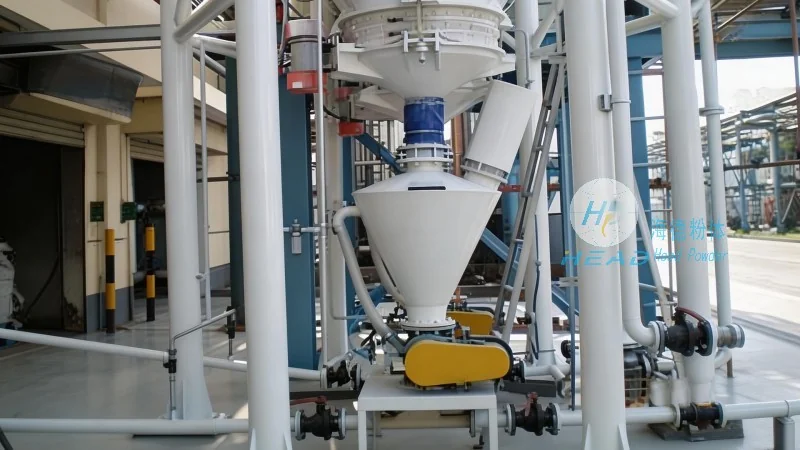
Key Features of HeadPowder's Fiber Pneumatic Conveying Solutions
HeadPowder's fiber pneumatic conveying systems incorporate several key features that set them apart in the industry. Firstly, the use of positive pressure or negative pressure air flow ensures gentle and consistent movement of fibers, preventing breakage and maintaining fiber quality. The systems are equipped with high-efficiency filters and separators that effectively remove dust and debris, ensuring that the conveyed fibers remain clean and free from contaminants. Additionally, the design incorporates adjustable velocity control, allowing operators to optimize the conveying speed based on the specific fiber type and application requirements.
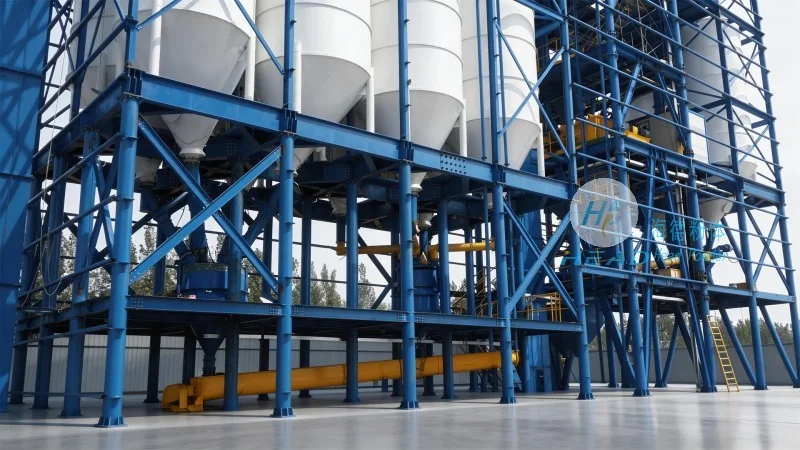
Applications in Textile Manufacturing
HeadPowder's fiber pneumatic conveying systems find extensive applications across various stages of textile production. In the raw material handling phase, these systems efficiently transport fibers from storage silos or bales to processing machinery, such as carding machines and spinning equipment. During the manufacturing process, the systems can be used to move fibers between different processing units, such as from blending to dyeing or finishing. In the finishing stage, the systems help in conveying treated fibers to packaging or storage areas, ensuring a seamless transition from production to distribution.

Advantages of Choosing HeadPowder's Conveying Solutions
For textile manufacturers, selecting the right conveying system is crucial for maintaining productivity and product quality. HeadPowder's fiber pneumatic conveying systems offer several advantages that make them an ideal choice. The non-contact conveying method reduces mechanical stress on fibers, minimizing breakage and improving yarn strength. The systems are also highly flexible, allowing for easy integration into existing production lines without significant modifications. Furthermore, the low maintenance requirements and energy efficiency of these systems contribute to long-term cost savings for manufacturers.
Conclusion
In conclusion, the choice of textile fiber conveying method plays a vital role in the efficiency and success of textile manufacturing operations. While traditional methods may have limitations, advanced pneumatic conveying systems, such as those offered by HeadPowder, provide a reliable and efficient solution for handling delicate fibers. By leveraging the expertise of Shandong HeadPowder Engineering Co., Ltd., textile manufacturers can enhance their production processes, reduce operational costs, and ensure consistent product quality. With a focus on innovation and customer satisfaction, HeadPowder continues to be a trusted partner in the textile industry, providing tailored conveying solutions that meet the evolving needs of modern textile production.