

What is a Rice Husk Powder Pneumatic Conveying System? What is its Design Principle?
For industries dealing with rice husk powder, efficient and reliable material handling is crucial. This article introduces the rice husk powder pneumatic conveying system, detailing its design principles and operational advantages.
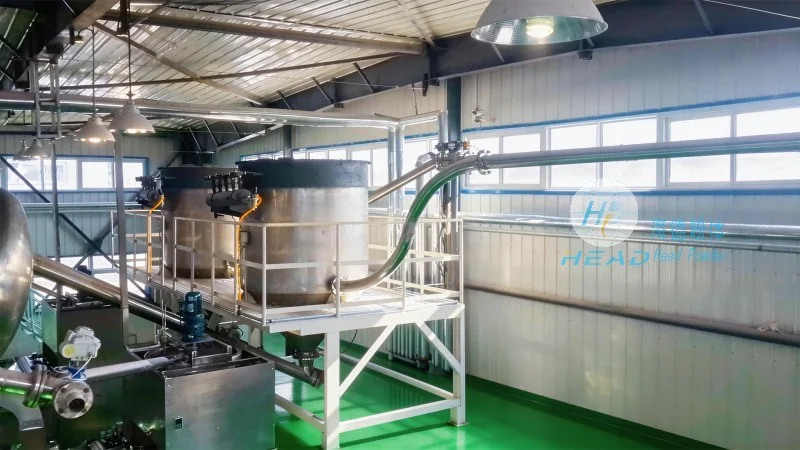
Rice Husk Powder Pneumatic Conveying System: An Overview
The rice husk powder pneumatic conveying system is a specialized equipment designed to transport rice husk powder through a pipeline using air pressure. This system is widely used in the agricultural and food processing sectors due to its ability to handle fine powders like rice husk powder with minimal dust and loss. The system typically consists of a hopper, a blower, a pipeline network, and a discharge unit, all working in tandem to ensure smooth material transport.
Design Principles of the Rice Husk Powder Pneumatic Conveying System
The design of a rice husk powder pneumatic conveying system is based on several key principles to ensure optimal performance and efficiency. First, the system must be capable of generating sufficient air pressure to move the powder through the pipeline. The blower or compressor used in the system is a critical component, as it provides the necessary airflow to overcome resistance in the pipeline and lift the powder particles. Second, the system's design must consider the properties of rice husk powder, such as its density, moisture content, and particle size. These factors influence the air velocity required for effective conveying and the choice of pipeline material and diameter. Third, the system incorporates features to minimize material degradation and prevent blockages. For instance, the use of flexible hoses or smooth metal pipes reduces friction and wear on the powder particles, while the inclusion of filters and cyclones helps to separate any fine particles that may have escaped the main flow, preventing clogging in downstream equipment.
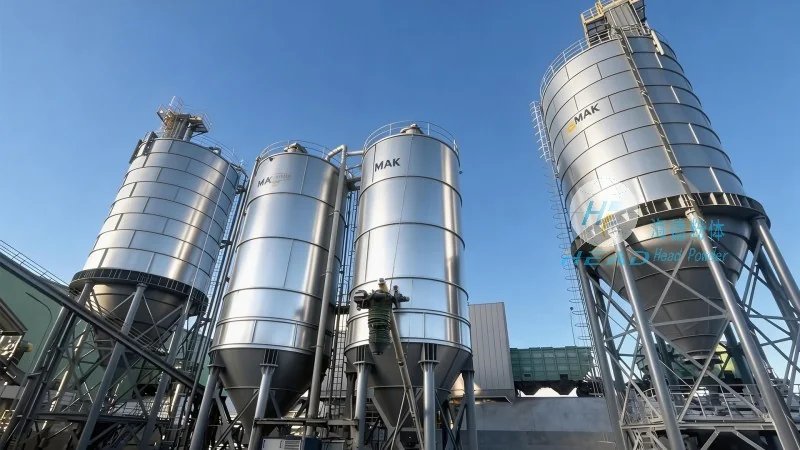
Key Components and Their Functions
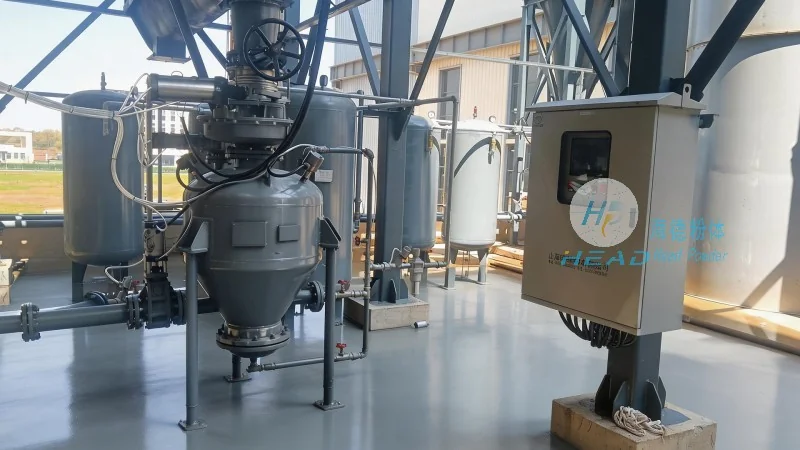
Each component of the rice husk powder pneumatic conveying system plays a vital role in its overall operation. The hopper serves as the storage and feeding unit, where rice husk powder is loaded and then discharged into the pipeline as needed. The blower or compressor is the heart of the system, providing the air pressure that propels the powder. It is typically selected based on the required airflow rate and pressure, which are determined by the system's design specifications. The pipeline network connects the hopper to the discharge point and may include bends, elbows, and other fittings to direct the flow. The discharge unit, such as a cyclone separator or a rotary valve, collects the powder from the air stream and returns it to the process or storage area. Additionally, the system may include control valves and sensors to monitor and adjust the airflow and pressure, ensuring stable operation.
Advantages of Using a Rice Husk Powder Pneumatic Conveying System
Compared to traditional mechanical conveying methods, the rice husk powder pneumatic conveying system offers several advantages. One of the primary benefits is the ability to transport fine powders over long distances without the need for multiple transfer points. This reduces the risk of material degradation and contamination, which is particularly important for rice husk powder, which can be sensitive to moisture and temperature changes. Another advantage is the reduced labor and maintenance requirements. The system operates with minimal manual intervention, and the components are designed for durability and ease of maintenance. Furthermore, the system can be easily integrated with other processing equipment, such as mills or classifiers, to form a complete production line. This integration enhances overall efficiency and productivity in the rice husk processing industry.
Applications in the Rice Husk Processing Industry
The rice husk powder pneumatic conveying system is widely used in various applications within the rice husk processing industry. One common application is the transport of rice husk powder from the drying and grinding stages to the storage or further processing units. The system ensures that the powder is moved efficiently and without loss, maintaining its quality for subsequent use. Another application is the conveying of rice husk powder to the combustion chambers of boilers or power generation plants. In this case, the system must be designed to handle higher temperatures and pressures, and the components must be made of heat-resistant materials to withstand the operating conditions. Additionally, the system is used in the production of rice husk-based products, such as activated carbon or biofuels, where the powder needs to be transported to the mixing or processing stages. The consistent and reliable operation of the pneumatic conveying system is essential for maintaining the quality and yield of these products.