

[Mono-crystalline silicon conveying methods: an introduction to HeadPowder's monocrystalline silicon pneumatic conveying system]
Monocrystalline silicon, a cornerstone material in the semiconductor industry, requires efficient and reliable conveying methods to ensure smooth production processes. The choice of conveying system directly impacts operational efficiency, material integrity, and overall production costs. In this context, understanding the various methods available for transporting monocrystalline silicon is crucial for manufacturers seeking optimal solutions. This article explores the different approaches to monocrystalline silicon conveyance, with a focus on the advanced pneumatic conveying system offered by Shandong HeadPowder Engineering Co., Ltd., a leading provider in the field.
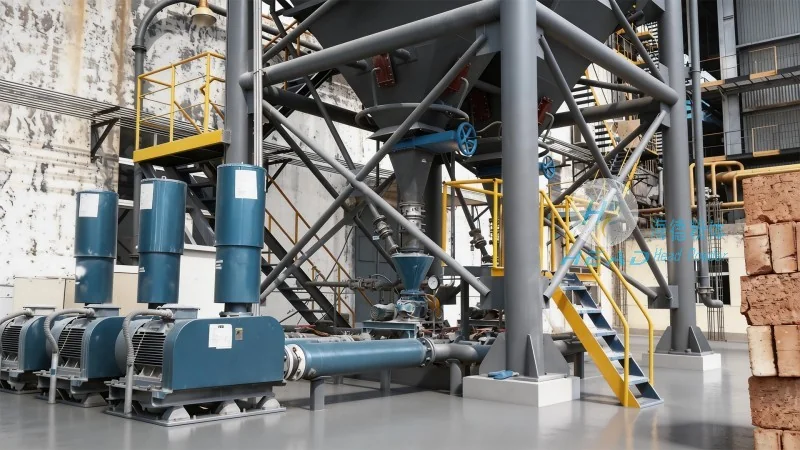
Understanding Monocrystalline Silicon and Its Conveying Requirements
Monocrystalline silicon, also known as single-crystal silicon, is a high-purity silicon material with a single crystal structure. It is widely used in solar panels, semiconductor devices, and other high-tech applications due to its excellent electrical and optical properties. The material is typically produced in the form of ingots or wafers, which are then processed into thin wafers for further use. During the manufacturing process, monocrystalline silicon must be transported between various stages, such as from the growth furnace to the slicing machine, and from the slicing machine to the polishing and testing equipment. The conveying method must preserve the material's integrity, prevent contamination, and minimize damage to the delicate wafers.
Common Conveying Methods for Monocrystalline Silicon
Several methods are commonly used for conveying monocrystalline silicon, each with its own advantages and limitations. Traditional methods include mechanical conveyors like belt conveyors, screw conveyors, and roller conveyors. These systems are effective for transporting bulk materials but may not be suitable for delicate silicon wafers due to the risk of scratches or breakage. Additionally, mechanical conveyors often require more maintenance and may not be compatible with the cleanroom environments typical in semiconductor manufacturing.
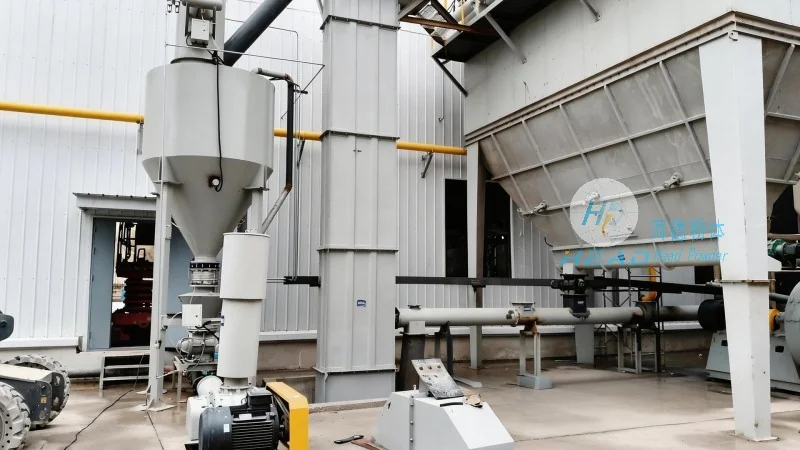
Pneumatic Conveying: A Superior Solution for Monocrystalline Silicon Transport
Pneumatic conveying, also known as air conveying, uses compressed air to transport materials through a pipeline system. This method offers several advantages for monocrystalline silicon transport, including high material integrity, low contamination risk, and the ability to handle delicate wafers without damage. The system typically consists of a hopper, a feeder, a pipeline network, and a receiver. The material is fed into the hopper and then transported through the pipeline using air pressure, which can be controlled to ensure gentle and efficient movement. Pneumatic conveying systems are particularly well-suited for monocrystalline silicon because they can maintain a clean environment, minimize human contact, and provide a continuous flow of material.
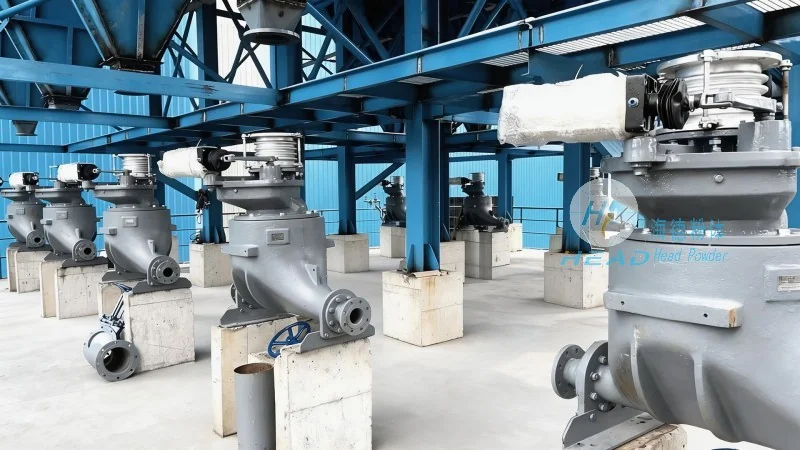
HeadPowder's Pneumatic Conveying System for Monocrystalline Silicon
Shandong HeadPowder Engineering Co., Ltd. has developed a specialized pneumatic conveying system designed specifically for monocrystalline silicon applications. The system is engineered to meet the stringent requirements of the semiconductor industry, ensuring that monocrystalline silicon is transported safely and efficiently. Key features of the system include:
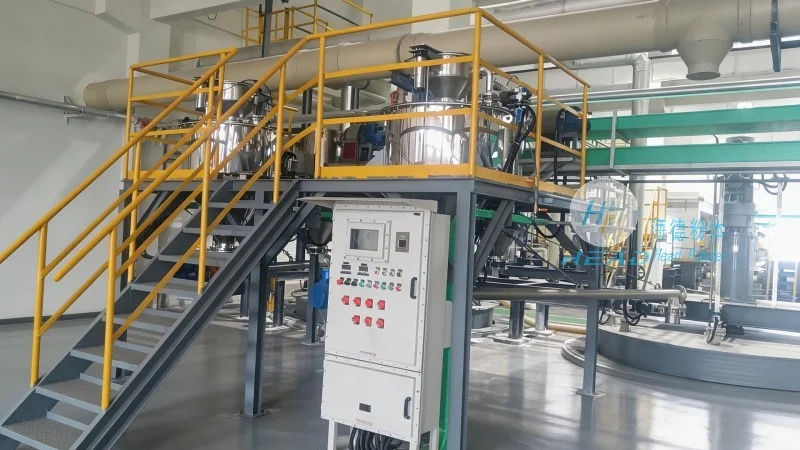
- High-Purity Materials and Components: The system uses high-purity materials and components to prevent contamination of the monocrystalline silicon. This includes stainless steel or other corrosion-resistant materials for the hopper and pipeline, as well as advanced seals to maintain a clean environment.
- Low-Pressure Operation: The system operates at low pressure, which minimizes the risk of damage to the delicate wafers. The gentle air flow ensures that the material is moved without causing scratches or breakage.
- Modular Design: The system is designed with modular components, allowing for easy installation and maintenance. This reduces downtime and increases the overall efficiency of the production process.
- Integrated Control System: The system features an advanced control system that monitors the flow of material and adjusts the air pressure as needed. This ensures consistent and reliable operation, even under varying production conditions.
Benefits of Using HeadPowder's Pneumatic Conveying System
Implementing HeadPowder's pneumatic conveying system for monocrystalline silicon transport offers several benefits to manufacturers. These include:
- Improved Material Integrity: The system minimizes the risk of damage to monocrystalline silicon wafers, ensuring that the material remains in pristine condition throughout the conveying process.
- Reduced Contamination: The closed system design and use of high-purity materials prevent contamination, which is critical for maintaining the quality of semiconductor products.
- Increased Efficiency: The continuous flow of material and modular design reduce downtime and increase production throughput, leading to higher overall efficiency.
- Lower Maintenance Costs: The system's design and components are engineered for durability and ease of maintenance, reducing long-term operational costs.
Conclusion
Choosing the right conveying method for monocrystalline silicon is essential for optimizing production processes and ensuring product quality. While traditional mechanical conveyors may be suitable for some applications, pneumatic conveying offers superior performance for delicate materials like monocrystalline silicon. Shandong HeadPowder Engineering Co., Ltd.'s pneumatic conveying system provides a reliable and efficient solution that meets the stringent requirements of the semiconductor industry. By leveraging this advanced technology, manufacturers can enhance their production capabilities and maintain a competitive edge in the market.