

What is Biomass Pneumatic Conveying Equipment? And What Are Its Design Principles?
Biomass pneumatic conveying equipment is a specialized system used to transport bulk materials, particularly biomass, through a pipeline using air or other gas as the conveying medium. This technology is widely adopted in various industries, including agriculture, energy, and manufacturing, due to its efficiency and flexibility in handling different types of biomass materials such as wood chips, pellets, and agricultural residues.
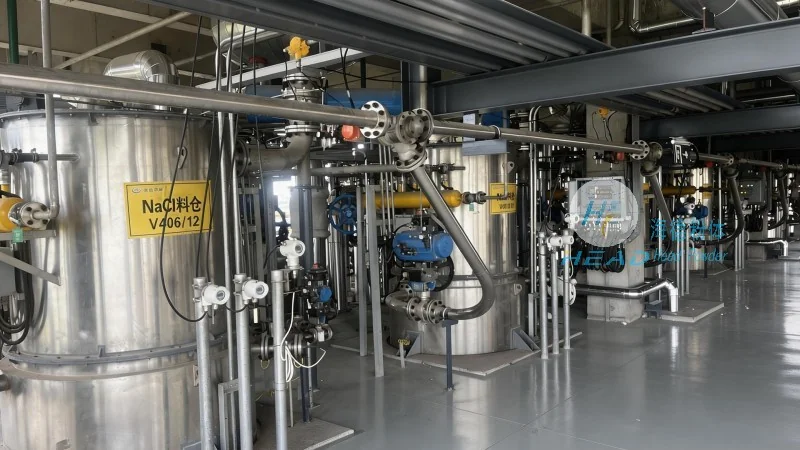
The core of biomass pneumatic conveying lies in the ability to move materials without mechanical contact, which reduces wear and tear on the equipment and minimizes the risk of material degradation. The system typically consists of a hopper for material storage, a feeder to control the flow rate, a conveying line, and a receiver to collect the delivered material. The design of each component is critical to the overall performance and efficiency of the equipment.
Key Design Principles of Biomass Pneumatic Conveying Systems
Design principles of biomass pneumatic conveying equipment focus on several key factors: material properties, conveying velocity, pressure differentials, and system configuration. Material properties, such as particle size, density, and moisture content, significantly influence the selection of the conveying method (e.g., dilute phase or dense phase) and the required air velocity. Conveying velocity must be sufficient to overcome friction and gravitational forces while preventing material deposition or blockages in the pipeline. Pressure differentials are essential to create the necessary flow of material through the system, and they are typically achieved through positive pressure or negative pressure (vacuum) systems.
The design process involves careful consideration of the material's behavior under airflow, including its aerodynamic characteristics and the potential for segregation or agglomeration. Engineers at Shandong HeadPowder Engineering Co., Ltd. (commonly known as HeadPowder) employ advanced engineering principles to tailor the equipment to specific biomass types and application requirements. Their expertise ensures that the conveying system operates at optimal efficiency, minimizing energy consumption and maximizing material throughput.
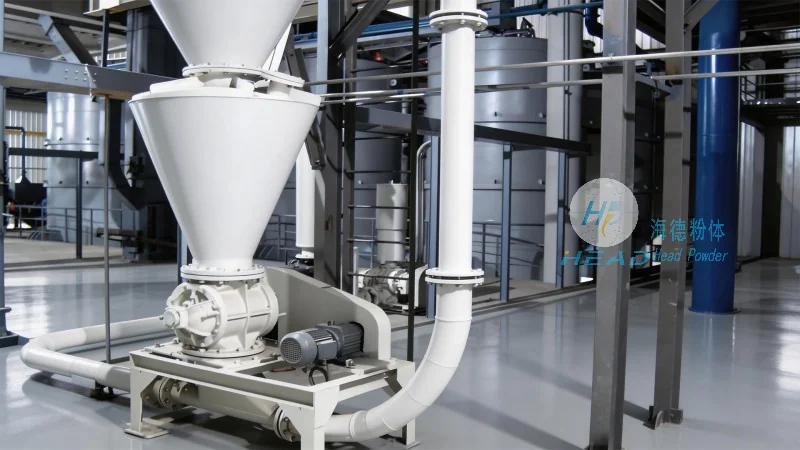
Components and Features of Modern Biomass Pneumatic Conveying Equipment
In addition to the basic components, modern biomass pneumatic conveying systems may include features like air filtration, material separation, and automated control systems. These enhancements improve the overall performance and reliability of the equipment, making it suitable for continuous and high-volume operations. The design also considers factors such as space constraints, environmental impact, and operational safety, ensuring that the system integrates seamlessly into existing production lines.
Applications in Energy and Agricultural Industries
The application of biomass pneumatic conveying equipment spans multiple industries. In the energy sector, it is used to transport biomass feedstock to boilers and power plants, facilitating the conversion of renewable energy sources into electricity. In agricultural processing, it helps in the efficient handling of raw materials from fields to processing facilities, streamlining production processes. The versatility of the system allows it to adapt to various biomass types and processing needs, making it a valuable asset in sustainable material handling.
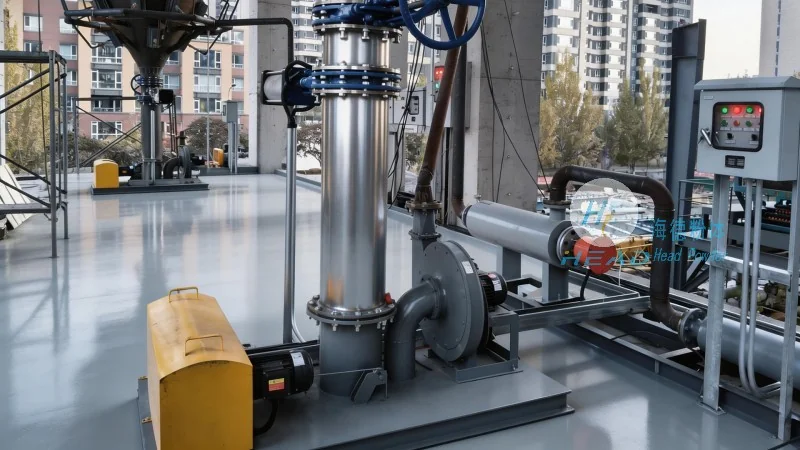
HeadPowder: A Leader in Biomass Pneumatic Conveying Solutions
Shandong HeadPowder Engineering Co., Ltd., with its headquarters in Shandong, China, specializes in the design, manufacturing, and installation of biomass pneumatic conveying equipment. The company's commitment to quality and innovation has positioned it as a leading provider in the industry, delivering customized solutions that meet the unique demands of each client. Their team of experienced engineers and technicians work closely with clients to understand their specific requirements and develop tailored equipment that enhances operational efficiency and reduces costs.
The design of biomass pneumatic conveying equipment by HeadPowder incorporates cutting-edge technology and adherence to international standards. Each system is engineered to handle the specific characteristics of the biomass material, ensuring reliable and consistent performance. The company's focus on customer satisfaction and long-term partnerships has earned it a reputation for excellence in the field of material handling solutions.
Conclusion: The Importance of Biomass Pneumatic Conveying Equipment
In conclusion, biomass pneumatic conveying equipment is a vital technology for efficient biomass material handling, and its design principles are crucial to achieving optimal performance. With advanced engineering and a customer-centric approach, companies like Shandong HeadPowder Engineering Co., Ltd. continue to advance the capabilities of this technology, supporting the growth of sustainable energy and agricultural industries worldwide.