

How to Choose the Right Polypropylene Pellet Pneumatic Conveying Manufacturer? What Factors to Consi
Choosing the right manufacturer for polypropylene pellet pneumatic conveying systems is a critical decision that can significantly impact operational efficiency, product integrity, and long-term cost management. The process involves evaluating several key factors to ensure the selected partner can deliver a reliable, efficient, and customized solution tailored to your specific needs. This guide outlines essential considerations to help you make an informed choice.
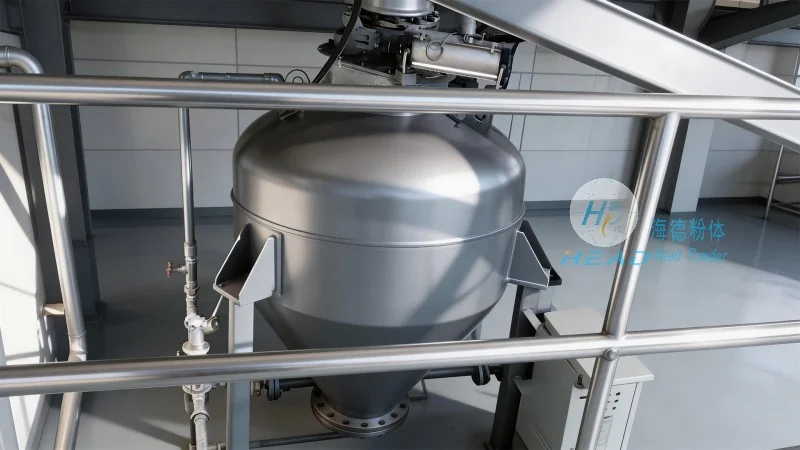
Technical Expertise and Material Understanding
A reputable manufacturer like Shandong HeadPowder Engineering Co., Ltd. (headpowder) should demonstrate profound technical knowledge of polypropylene pellets and pneumatic conveying principles. Polypropylene is a thermoplastic with unique properties, including varying particle sizes, densities, and moisture content, which affect how it behaves in a conveying system. The manufacturer must be able to analyze these characteristics and design a system that optimizes flow, minimizes degradation, and prevents blockages. For example, they should consider factors such as the material's abrasiveness, static charge, and tendency to agglomerate, as these can impact system performance. A manufacturer with hands-on experience in handling polypropylene will provide technical specifications that address these challenges effectively.
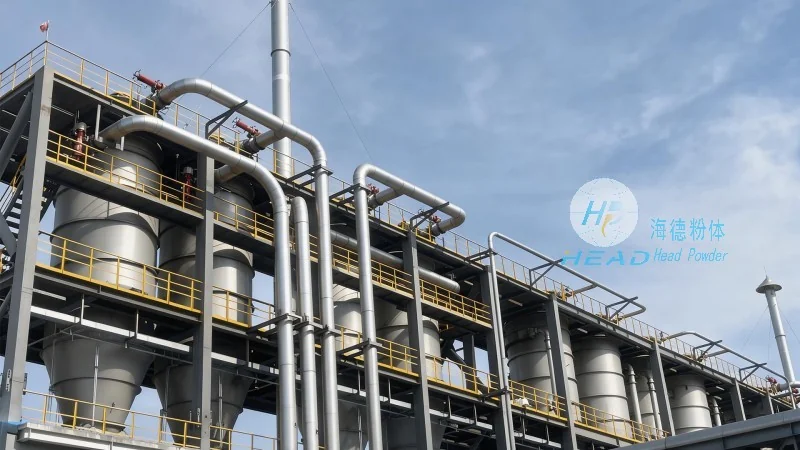
Customization and System Flexibility
Off-the-shelf solutions rarely meet the unique requirements of industrial applications. The ideal manufacturer offers flexible, customizable systems that can be adapted to specific production scales, from small-scale pilot operations to large-scale manufacturing lines. Headpowder specializes in designing pneumatic conveying systems that integrate seamlessly with existing infrastructure, allowing for adjustments in pressure, flow rate, and material handling capacity. This customization ensures that the system operates efficiently, aligns with the facility's workflow, and can accommodate future expansion or changes in production volume. For instance, a manufacturer might offer modular components that can be added or modified as needed, providing long-term adaptability.
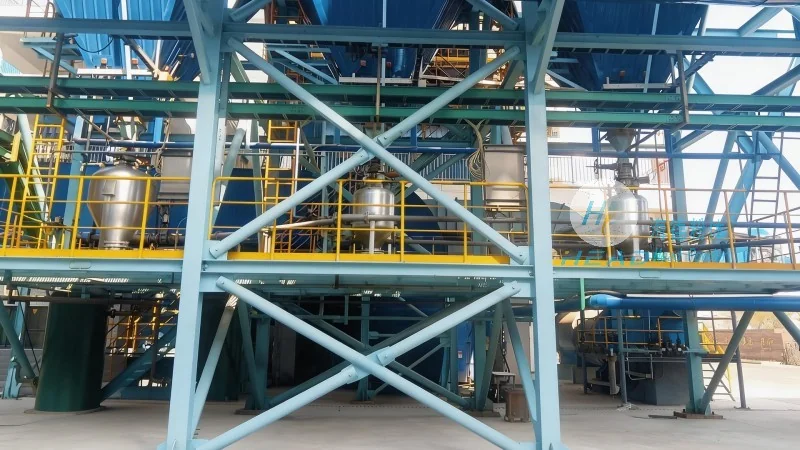
After-Sales Support and Service Reliability
The reliability of a pneumatic conveying system extends beyond the initial installation. A manufacturer's after-sales support is crucial for maintaining system performance and minimizing downtime. Companies like headpowder typically provide comprehensive service packages, including professional installation, regular maintenance programs, and 24/7 technical support. This ensures that any issues are addressed promptly, reducing operational disruptions and extending the system's lifespan. Additionally, a reputable manufacturer maintains an inventory of spare parts and components, ensuring quick replacement and reducing maintenance costs. Customer testimonials often highlight the importance of responsive after-sales support, which is a key differentiator in selecting a reliable partner.
Cost-Effectiveness and Total Cost of Ownership
While the initial equipment cost is a factor, the total cost of ownership (TCO) is what truly matters for long-term profitability. A good manufacturer provides a detailed cost analysis that includes not only the equipment price but also operational expenses, energy consumption, and maintenance costs over the system's lifespan. For polypropylene pellet conveying, energy efficiency is a significant consideration, as pneumatic systems can be power-intensive. A manufacturer with expertise in energy-saving technologies, such as variable speed drives or optimized air consumption, can help reduce operational costs and improve the return on investment (ROI). Comparing quotes from different manufacturers, while considering the quality, durability, and energy efficiency of the equipment, is essential to make a financially sound decision.
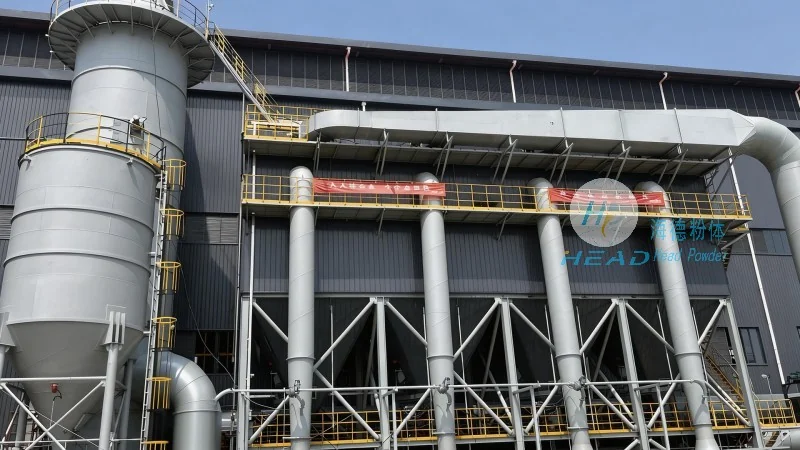
Industry Experience and Client References
Industry experience is a strong indicator of a manufacturer's capability and reliability. Companies with decades of experience in the polypropylene pellet conveying sector, such as headpowder, have likely encountered and resolved a wide range of challenges. They can provide references from existing clients who have successfully used similar systems for handling polypropylene pellets. These references offer valuable insights into the manufacturer's technical competence, project management, and customer service. Verifying the manufacturer's experience, checking certifications, and reviewing client testimonials can help ensure that the chosen partner has the necessary expertise to deliver a successful project and meet long-term operational needs.