

Principle of Plastic Pellet Pneumatic Conveying Equipment
Plastic pellet pneumatic conveying equipment is a critical component in modern material handling systems, designed to efficiently transport plastic pellets from one location to another using air as the conveying medium. This technology offers a reliable and flexible solution for industries dealing with plastic raw materials, ensuring consistent and safe material transfer processes.
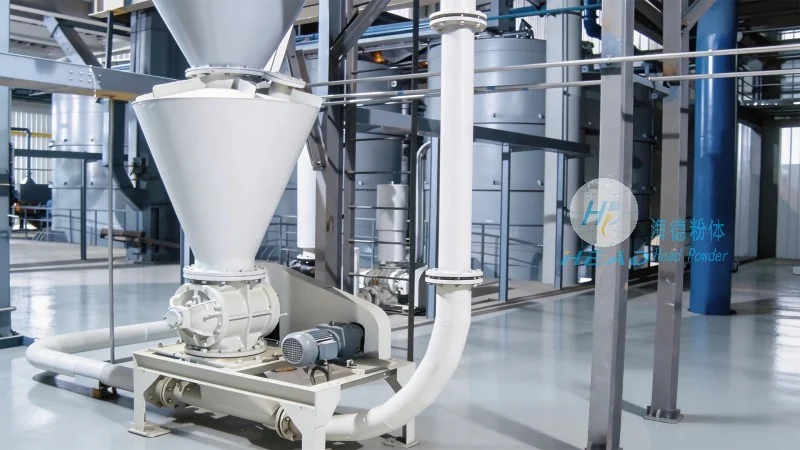
Working Principle of Pneumatic Conveying Systems
The core principle of pneumatic conveying involves creating a pressure differential between the inlet and outlet of the system. By generating a flow of air, typically through a blower or fan, the plastic pellets are lifted and transported through a pipeline. The equipment utilizes various components such as hoppers, feeders, and pipelines to control the flow rate and direction of the material. The air flow can be either positive pressure (where air pushes the material) or negative pressure (where air pulls the material), depending on the specific application requirements. This flexibility allows for the adaptation of the system to different plant layouts and operational needs.
Key Components and Their Functions
The effectiveness of plastic pellet pneumatic conveying equipment relies on several key components working in harmony. The hopper serves as the storage and feeding unit, ensuring a consistent supply of plastic pellets to the system. The feeder, often a rotary valve or screw feeder, regulates the flow rate of the material into the pipeline, preventing overloading and maintaining stable conveying conditions. The pipeline network, made from materials like stainless steel or plastic, provides the path for the pellets and air mixture. The blower or fan generates the necessary air pressure to move the material, while the filter and silencer manage air quality and noise levels. Each component is designed to withstand the abrasive nature of plastic pellets and the high-pressure air flow, ensuring long-term operational reliability.
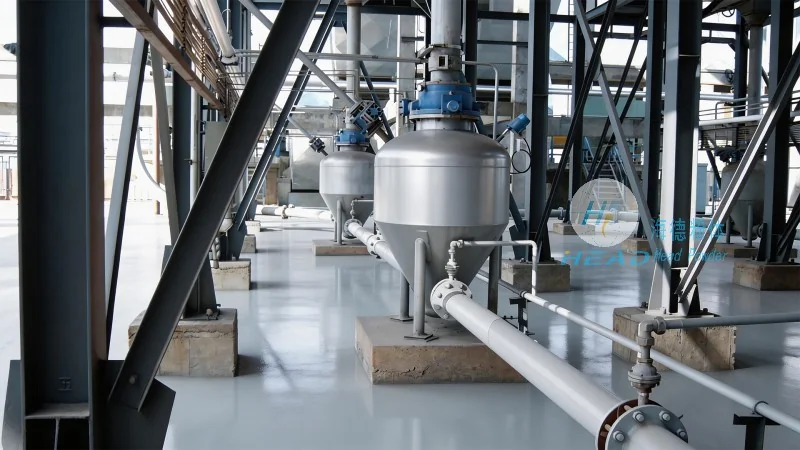
Advantages of Pneumatic Conveying for Plastic Pellets
Compared to traditional mechanical conveying methods, plastic pellet pneumatic conveying offers several advantages. It eliminates the need for moving parts in the conveying line, reducing maintenance costs and minimizing the risk of material contamination. The system is also highly flexible, allowing for changes in material flow direction and plant layout without significant modifications. Additionally, pneumatic conveying can handle a wide range of plastic pellet sizes and shapes, from fine powders to larger pellets, making it suitable for diverse applications. The enclosed pipeline system prevents dust emissions and environmental contamination, aligning with modern industrial safety and environmental standards. These benefits make pneumatic conveying an ideal choice for industries seeking efficient, clean, and reliable material handling solutions.
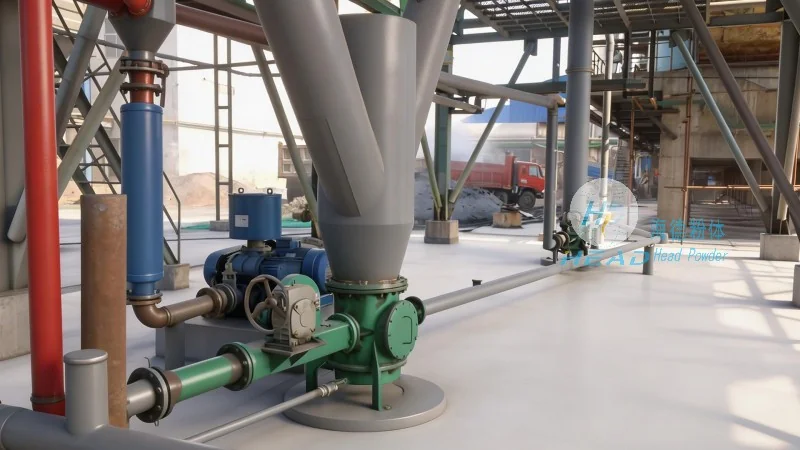
Application Scenarios in Plastic Manufacturing
Plastic pellet pneumatic conveying equipment is widely used in various stages of plastic manufacturing processes. In the production of plastic products, it efficiently transports raw plastic pellets from storage silos to processing machines, such as extruders or injection molding equipment. This ensures a continuous supply of material, reducing downtime and improving production efficiency. The system is also utilized in recycling facilities, where plastic pellets are conveyed from sorting and cleaning stages to compounding or reprocessing units. In addition, it plays a crucial role in quality control processes, where pellets are transported to testing stations for moisture content, particle size, and purity analysis. The consistent and controlled flow provided by the pneumatic system enhances the accuracy of these tests, leading to better product quality and compliance with industry standards.
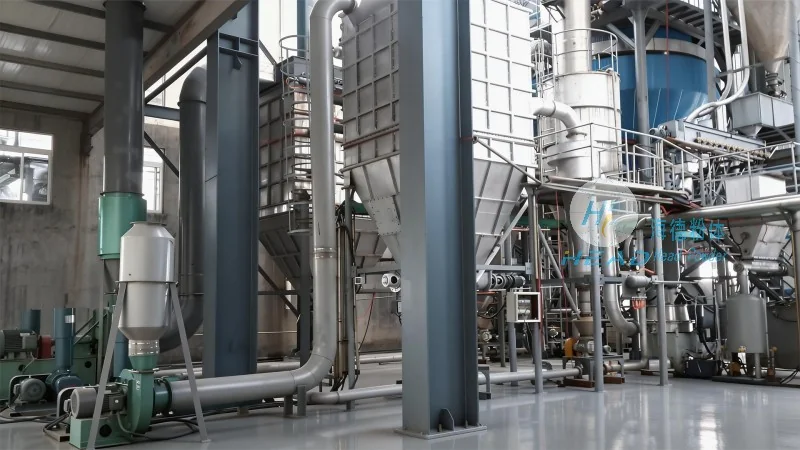
Operational Considerations and Maintenance
Proper operation and maintenance of plastic pellet pneumatic conveying equipment are essential for maximizing its performance and lifespan. Regular cleaning of the pipeline and components is necessary to prevent the accumulation of plastic residue, which can affect air flow and material transfer efficiency. The blower and fan should be checked for proper air pressure and flow rates, as any deviations can lead to system inefficiencies or material blockages. The feeder and hopper should be inspected for wear and tear, ensuring they maintain their structural integrity and material handling capabilities. Additionally, monitoring the system's pressure and temperature levels helps in early detection of potential issues, allowing for timely maintenance and repairs. By adhering to these operational guidelines, users can ensure the equipment operates at optimal levels, minimizing downtime and maximizing productivity.
Customization and Integration with Existing Systems
Shandong HeadPowder Engineering Co., Ltd. specializes in designing and manufacturing customized plastic pellet pneumatic conveying equipment tailored to specific customer needs. The company's expertise lies in integrating the conveying system with existing production lines, ensuring seamless operation and minimal disruption to current processes. Customization options include adjusting the pipeline length and diameter, modifying the air flow rate, and incorporating additional components such as filters or silencers. The engineers at HeadPowder work closely with clients to understand their operational requirements and provide solutions that meet both functional and budgetary constraints. This approach ensures that the equipment not only meets the technical specifications but also aligns with the overall production goals and safety standards of the facility. The company's commitment to quality and customer satisfaction has made it a trusted partner in the plastic manufacturing industry, delivering reliable and efficient conveying solutions to clients worldwide.