

What are the main structures of malt pneumatic conveying?
When it comes to the efficient and reliable transportation of malt in industrial settings, understanding the core structures of pneumatic conveying systems is essential. These systems are designed to handle the unique characteristics of malt, ensuring minimal product degradation while maintaining operational efficiency. The primary structures of malt pneumatic conveying typically revolve around two main categories: suction-type and pressure-type systems, each with distinct components and operational principles.
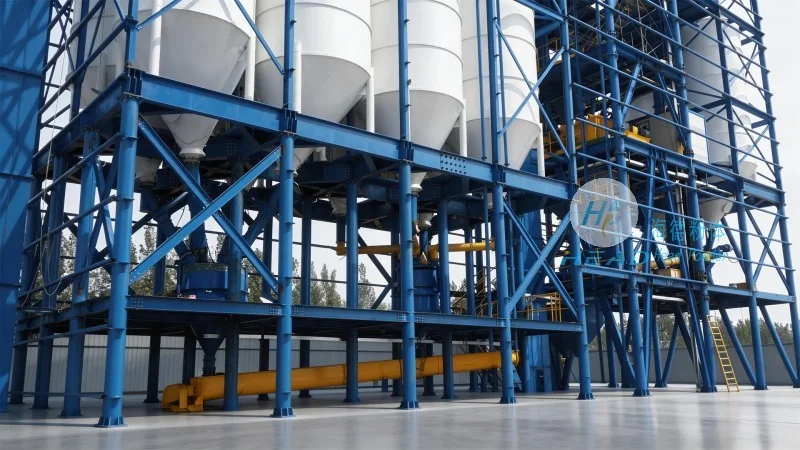
Key Components of Malt Pneumatic Conveying Systems
The foundation of any pneumatic conveying system for malt lies in its key components, which work in harmony to facilitate the movement of material. These components include the hopper or storage silo, where malt is initially stored; the feeder, responsible for controlling the flow rate of malt into the system; the conveyor line, which can be either a pipeline or a flexible hose; and the separation or collection equipment at the receiving end. Each component plays a critical role in maintaining the integrity of the malt and ensuring smooth operation.
Types of Malt Pneumatic Conveying Structures
There are several structural configurations used in malt pneumatic conveying, tailored to different production needs and operational environments. The most common types include:

- Suction-Type Systems: These systems use a vacuum to draw malt from the storage hopper into the conveying line. They are ideal for applications where the receiving point is at a lower elevation than the storage area. The suction mechanism typically involves a fan or vacuum pump that creates the necessary negative pressure to pull the malt through the pipeline.
- Pressure-Type Systems: In contrast, pressure-type systems use compressed air to push the malt through the conveying line. This method is suitable for applications where the receiving point is at a higher elevation or requires a more controlled flow rate. The compressed air is introduced at the inlet of the conveyor line, creating positive pressure that propels the malt forward.
- Combined Systems: Some facilities employ a combination of both suction and pressure elements, known as mixed or hybrid systems. These systems offer flexibility, allowing for the transportation of malt between different levels or locations within a facility while optimizing energy usage and operational efficiency.
Design Considerations for Malt Pneumatic Conveying
Designing an effective malt pneumatic conveying system requires careful consideration of several factors, including the type of malt being handled, the distance and elevation changes, and the desired flow rate. Materials of construction are also critical, as malt can be abrasive and may contain moisture, which can affect the wear and tear on system components. Stainless steel is often preferred for its corrosion resistance and ability to maintain hygiene standards, which are paramount in the food industry.
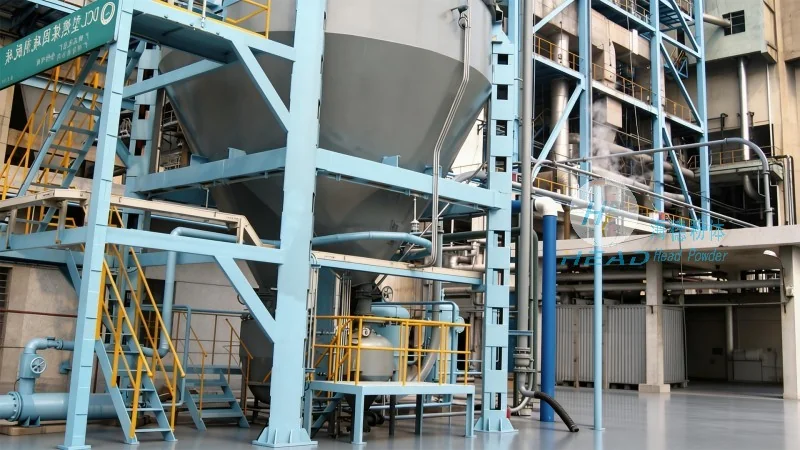
Operational Advantages of Malt Pneumatic Conveying Structures
Implementing the right pneumatic conveying structure for malt offers numerous advantages over traditional methods such as bucket elevators or belt conveyors. These advantages include:
- Reduced Product Contamination: Pneumatic systems minimize direct contact between the malt and machinery, reducing the risk of contamination from metal parts or other materials.
- Lower Maintenance Costs: With fewer moving parts compared to mechanical conveyors, pneumatic systems generally require less maintenance and have longer service intervals.
- Energy Efficiency: Modern pneumatic conveying systems are designed to be energy-efficient, using only the necessary amount of air to transport the malt, which can lead to significant cost savings over time.
- Space Efficiency: These systems can be installed in tight spaces or along existing infrastructure, making them suitable for facilities with limited floor space.
Custom Solutions by Shandong HeadPowder Engineering Co., Ltd.
Shandong HeadPowder Engineering Co., Ltd., operating under the brand name headpowder, specializes in the design and implementation of tailored pneumatic conveying solutions for malt and other bulk materials. With a focus on precision engineering and adherence to industry standards, the company provides comprehensive services from system design and installation to maintenance and support. Headpowder’s expertise lies in understanding the unique requirements of malt processing facilities and delivering customized solutions that enhance operational efficiency and product quality.