

Application of Pneumatic Conveying in the Bulk Transport of White Clay
White clay, a crucial raw material in various industries such as ceramics, papermaking, and chemical processing, requires efficient and reliable bulk handling solutions to ensure smooth production workflows. Among the advanced technologies available for material transport, pneumatic conveying stands out as a versatile and effective method for moving white clay from storage to processing units. This article explores the application of pneumatic conveying systems in the bulk transport of white clay, highlighting the benefits, technical considerations, and the role of specialized engineering companies in implementing such solutions.
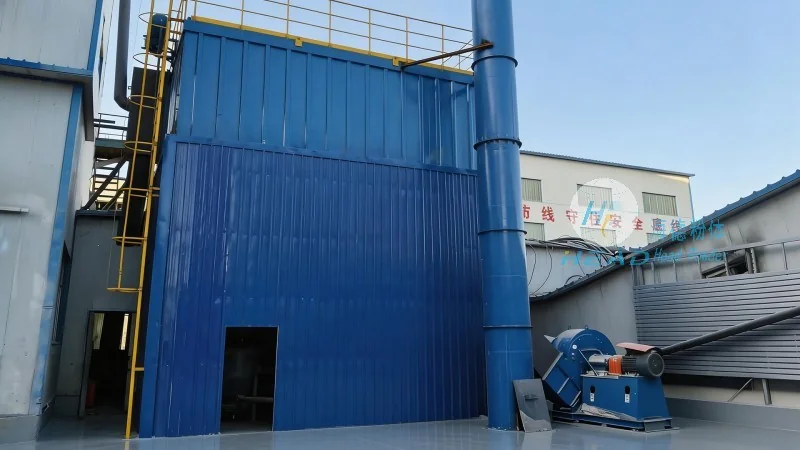
Understanding Pneumatic Conveying for White Clay Handling
Pneumatic conveying utilizes air or gas to transport bulk materials like white clay through a pipeline system. This method offers several advantages over traditional mechanical conveying, including reduced equipment wear, lower maintenance costs, and the ability to handle materials with high moisture content or fine particles. For white clay, which often has a fine particle size and can be sensitive to handling, pneumatic conveying provides a gentle yet efficient means of transport. The system typically consists of a material feed hopper, a conveying line, and a discharge point, with the air flow controlled to maintain the material in a suspended state, preventing clogging and ensuring consistent flow rates.
The Role of HeadPowder in Implementing Pneumatic Conveying Solutions
Shandong HeadPowder Engineering Co., Ltd., commonly known as HeadPowder, is a leading provider of engineering solutions for bulk material handling, including pneumatic conveying systems tailored for white clay applications. With a focus on customizing systems to meet specific operational requirements, HeadPowder leverages its expertise in material science and process engineering to design and install efficient conveying solutions. The company’s approach involves thorough analysis of the customer’s material characteristics, production capacity, and site constraints to develop a tailored system that maximizes efficiency and minimizes downtime. By integrating advanced control systems and high-quality components, HeadPowder ensures that the pneumatic conveying systems deliver reliable performance and long-term durability.
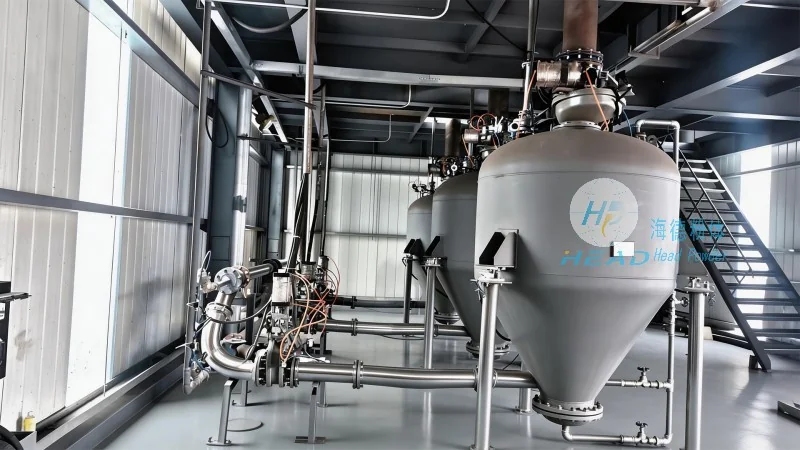
Key Benefits of Pneumatic Conveying for White Clay Transport
Implementing pneumatic conveying for white clay transport brings numerous benefits that enhance operational efficiency and product quality. Firstly, the system minimizes material degradation by reducing friction and impact during transport, which is particularly important for white clay used in high-value applications like ceramic manufacturing. Secondly, pneumatic conveying allows for a closed system, preventing dust emissions and maintaining a clean working environment, which is crucial for compliance with environmental regulations and worker safety. Additionally, the flexibility of pneumatic conveying systems enables easy integration with existing production lines, allowing for seamless material transfer without the need for extensive modifications. The ability to handle varying flow rates and material compositions also makes these systems adaptable to changing production demands, providing a scalable solution for growing businesses.
Technical Considerations and System Design
Designing an effective pneumatic conveying system for white clay requires careful consideration of several technical factors. The first is the material's physical properties, such as particle size distribution, moisture content, and bulk density, which influence the air velocity and pressure required for successful transport. HeadPowder engineers conduct detailed material testing to determine the optimal conveying parameters, ensuring that the system operates within the most efficient and cost-effective range. Another critical factor is the system's layout, including the length and diameter of the conveying line, the number of bends, and the placement of feed and discharge points. Proper system design minimizes pressure losses and ensures consistent material flow, preventing issues like blockages or uneven distribution. The choice of air compressor and control system also plays a vital role, as it determines the energy efficiency and operational reliability of the entire system. HeadPowder utilizes advanced simulation tools and field testing to validate system designs, ensuring that the final solution meets all performance and safety standards.
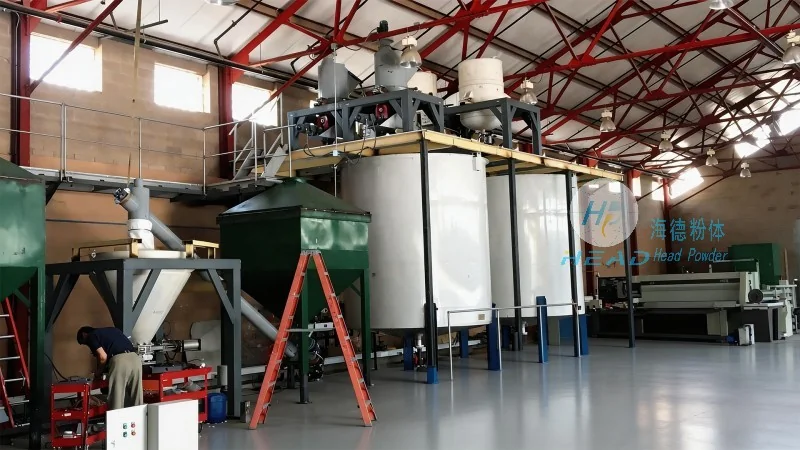
Case Studies and Real-World Applications
HeadPowder has successfully implemented pneumatic conveying systems for white clay in various industrial settings, demonstrating the technology's effectiveness in real-world scenarios. For example, a ceramic manufacturer in China faced challenges with traditional bucket elevators, which caused material degradation and frequent maintenance. By installing a pneumatic conveying system designed by HeadPowder, the company achieved a 30% reduction in material loss and a 20% decrease in maintenance costs. The system's closed design also eliminated dust emissions, improving workplace safety and compliance with local environmental regulations. Another case involved a paper mill that needed to transport white clay from storage silos to the papermaking process. HeadPowder's solution integrated a high-capacity pneumatic conveyor with automated control, allowing the mill to increase production capacity by 15% while maintaining consistent material quality. These case studies highlight the practical benefits of pneumatic conveying and the expertise of HeadPowder in delivering tailored solutions that address specific industry challenges.
Future Trends and Advancements in Pneumatic Conveying
As industries continue to demand more efficient and sustainable material handling solutions, pneumatic conveying technology is evolving to meet these needs. HeadPowder remains at the forefront of these advancements, incorporating innovations such as variable frequency drives (VFDs) for energy optimization, advanced sensors for real-time monitoring, and intelligent control systems for predictive maintenance. These technologies enhance the system's efficiency, reduce energy consumption, and improve overall operational reliability. Additionally, the integration of digitalization and IoT (Internet of Things) technologies allows for remote monitoring and data analysis, enabling proactive maintenance and performance optimization. For white clay handling, these advancements will further improve material quality, reduce operational costs, and contribute to a more sustainable industrial process. HeadPowder's commitment to research and development ensures that its customers benefit from the latest technological innovations, positioning them for long-term success in an increasingly competitive market.