

Advantages and Disadvantages of Negative Pressure and Positive Pressure Conveying for Catalysts
When it comes to the transportation of catalysts, selecting the right conveying method is crucial for ensuring efficiency, safety, and cost-effectiveness. Two primary approaches dominate the industry: negative pressure conveying and positive pressure conveying. Each method has its own set of advantages and disadvantages, making the choice dependent on specific operational requirements, material characteristics, and plant infrastructure. This article provides a detailed comparison of these two methods, focusing on their applications, benefits, and limitations in the context of catalyst handling.
Understanding Negative Pressure Conveying
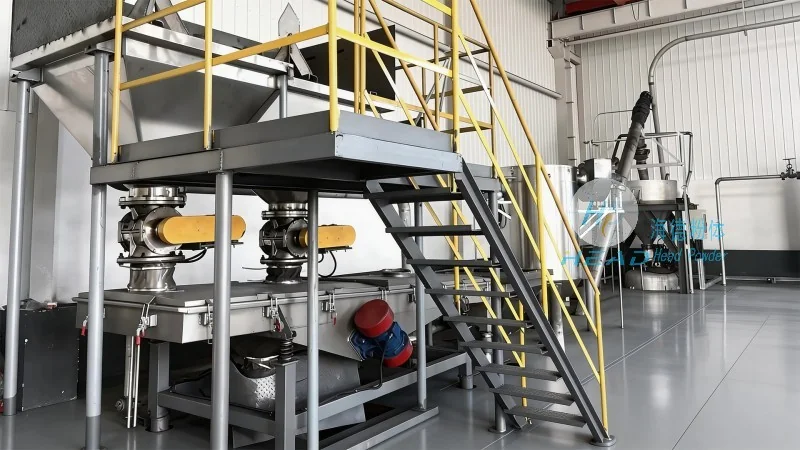
Negative pressure conveying, also known as suction conveying, operates by creating a vacuum at the material inlet to draw the catalyst particles into the conveying line. This method relies on the pressure differential between the conveying line and the surrounding environment to move the material. The system typically includes a suction hopper, a rotary valve, a filter, and a blower or vacuum pump. The primary advantage of negative pressure conveying is its ability to handle materials that are prone to dust generation or have a tendency to clog. By drawing the material into the system, it minimizes the risk of material spillage and reduces the exposure of personnel to dust. Additionally, this method is often more energy-efficient as it requires less power to maintain the vacuum compared to positive pressure systems. However, negative pressure conveying has its limitations. The system is more susceptible to air leaks, which can lead to material loss and increased energy consumption. Moreover, the vacuum created may not be sufficient for handling large quantities of material or for conveying materials with high moisture content, as this can reduce the conveying efficiency. The equipment used in negative pressure systems is also more complex, requiring regular maintenance to ensure optimal performance.
Understanding Positive Pressure Conveying
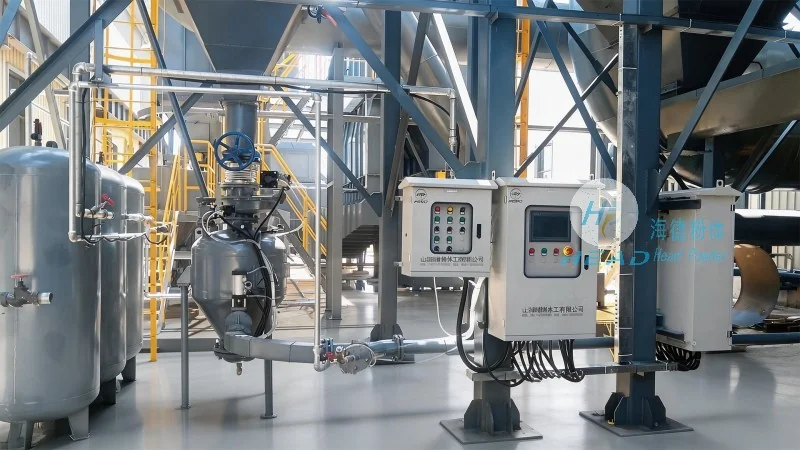
Positive pressure conveying, or pressure conveying, works by forcing air or gas through the conveying line under pressure to push the catalyst particles forward. This method involves a pressure hopper, a rotary valve, a filter, and a positive displacement blower or compressor. The main advantage of positive pressure conveying is its ability to handle a wide range of materials, including those with high moisture content or abrasive properties. The high pressure ensures that the material is transported efficiently without clogging the system. Additionally, positive pressure systems are generally more reliable and less prone to air leaks compared to negative pressure systems. This makes them suitable for large-scale operations where consistent performance is critical. However, positive pressure conveying has its drawbacks. The method is more energy-intensive as it requires higher pressure to move the material, leading to higher operational costs. The equipment is also more expensive to install and maintain, as the components are subjected to higher pressures and stresses. Furthermore, positive pressure systems may generate more noise and require additional safety measures to prevent dust explosions, as the material is transported under high pressure.
Comparative Analysis of Negative and Positive Pressure Conveying
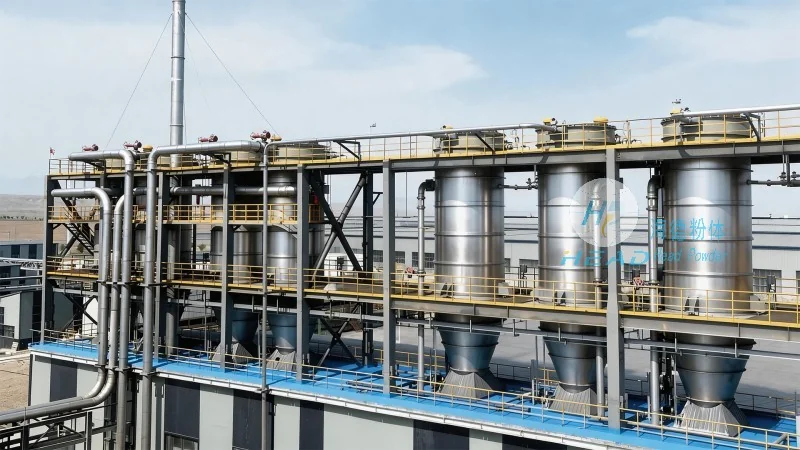
When comparing negative and positive pressure conveying for catalysts, several factors need to be considered. The choice between the two methods depends on the specific characteristics of the catalyst being handled, such as particle size, moisture content, and dust generation. For example, negative pressure conveying is often preferred for handling fine powders or materials that are prone to dust, as it minimizes the risk of dust exposure. In contrast, positive pressure conveying is more suitable for handling bulk materials with higher moisture content or abrasive properties, as it can maintain efficient transport without clogging. From an operational perspective, negative pressure systems are generally more energy-efficient and cost-effective for small to medium-scale applications, while positive pressure systems are better suited for large-scale operations where reliability and consistent performance are paramount. The choice also depends on the existing infrastructure and the available space in the plant. Negative pressure systems may require less space as they do not need a pressure hopper, but they may need additional space for the vacuum pump and filter. Positive pressure systems, on the other hand, require more space for the pressure hopper and blower, but they may be more compatible with existing plant layouts.
Factors Influencing the Choice of Conveying Method
The selection of negative or positive pressure conveying for catalysts is influenced by several key factors. First, the material properties of the catalyst play a significant role. Materials with high moisture content or abrasive characteristics may require positive pressure conveying to ensure efficient transport and prevent clogging. Conversely, materials that are fine or prone to dust generation may benefit from negative pressure conveying to minimize exposure and maintain cleanliness. Second, the scale of operation is a critical factor. Small to medium-scale applications may find negative pressure conveying more economical due to lower energy consumption and simpler equipment. Large-scale operations, however, may require positive pressure systems to handle higher material volumes and maintain consistent performance. Third, the available infrastructure and space in the plant also influence the choice. Plants with limited space may opt for negative pressure systems as they require less room for equipment. Fourth, the safety considerations are important. Positive pressure systems may require additional safety measures to prevent dust explosions due to the high pressure, while negative pressure systems may need to ensure proper ventilation to prevent dust accumulation. Finally, the cost of installation and maintenance is a key consideration. Negative pressure systems are generally less expensive to install and maintain, while positive pressure systems may have higher upfront costs but lower long-term operational costs due to their reliability.
Conclusion
In conclusion, both negative pressure and positive pressure conveying methods have their own advantages and disadvantages when it comes to transporting catalysts. The choice between the two depends on a variety of factors, including the material properties, scale of operation, available infrastructure, safety considerations, and cost. Negative pressure conveying is suitable for handling fine powders and materials prone to dust, offering energy efficiency and lower operational costs. Positive pressure conveying, on the other hand, is better suited for bulk materials with high moisture content or abrasive properties, providing reliability and consistent performance. By carefully evaluating these factors, industrial facilities can select the most appropriate conveying method to ensure efficient, safe, and cost-effective catalyst handling. For companies seeking expert guidance on selecting the right conveying system for their catalyst handling needs, Shandong HeadPowder Engineering Co., Ltd. offers comprehensive solutions tailored to specific operational requirements. With a focus on innovation and quality, HeadPowder provides customized conveying systems that enhance operational efficiency and safety in catalyst processing.