

Advantages and Disadvantages of Negative Pressure vs. Positive Pressure Conveying in Calcined Sand G
Gas-pneumatic conveying is a critical technology in the handling of calcined sand, a material widely used in various industrial applications such as refractory production, glass manufacturing, and construction materials. The choice between negative pressure and positive pressure systems significantly impacts operational efficiency, cost, and safety. This article provides a detailed comparison of the advantages and disadvantages of negative pressure versus positive pressure conveying for calcined sand, with a focus on practical applications and industry considerations.
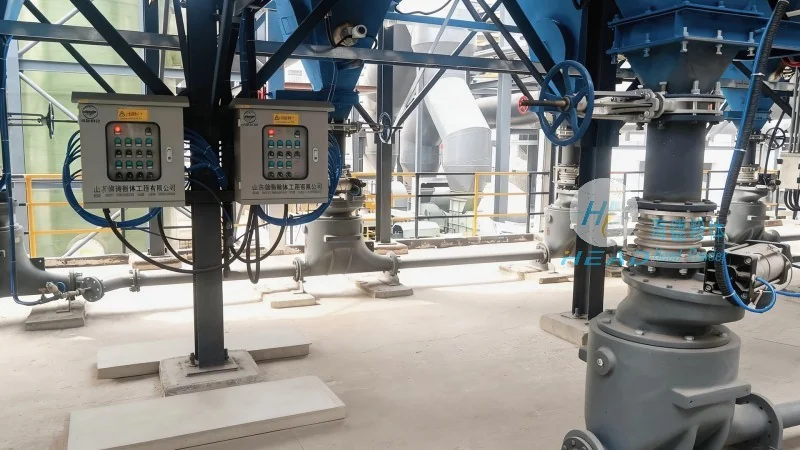
Introduction to Calcined Sand and Gas-Pneumatic Conveying
Calcined sand, also known as calcined silica sand, is produced by heating natural silica sand to high temperatures, which removes moisture and organic impurities, enhancing its purity and reactivity. Its fine particle size and high density make it an ideal raw material for high-temperature processes. Gas-pneumatic conveying, which uses air or other gases to transport bulk materials through pipelines, offers a dust-free and continuous method for moving calcined sand from storage to processing units. The two primary types of gas-pneumatic systems are negative pressure (or suction) and positive pressure (or pressure) systems, each with distinct characteristics that influence their suitability for calcined sand applications.
Negative Pressure Conveying Systems
Negative pressure conveying, also referred to as suction conveying, operates by creating a low-pressure zone at the material pickup point. This low pressure draws the calcined sand into the conveying line using a vacuum pump or fan. The primary advantage of negative pressure systems is their ability to handle materials with high moisture content or fine particles that may be prone to dusting. By maintaining a sealed system, negative pressure reduces the risk of dust emissions and improves environmental compliance. Additionally, negative pressure systems are often more energy-efficient for short to medium conveying distances, as they require less power to maintain the vacuum compared to positive pressure systems.
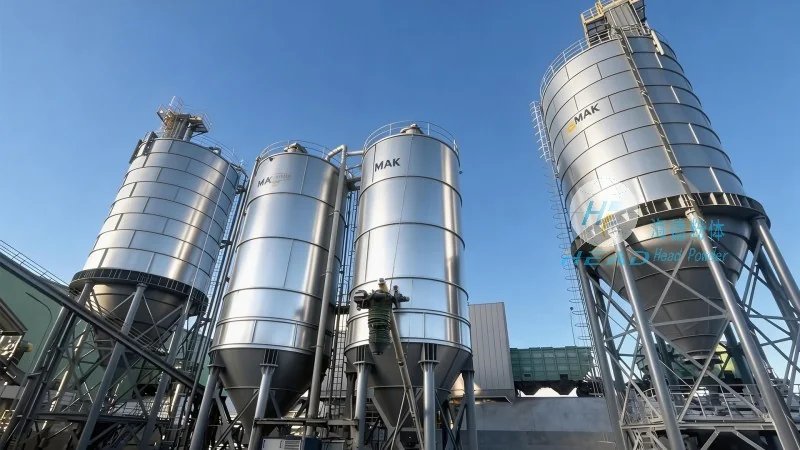
However, negative pressure conveying has several limitations. The system's performance is highly dependent on the vacuum pump's capacity and the pipeline layout. Long conveying distances can lead to a significant drop in pressure, reducing the material's velocity and potentially causing blockages. The equipment, particularly the vacuum pump and the material pickup hopper, requires more maintenance due to the abrasive nature of calcined sand, which can wear down components faster. Moreover, negative pressure systems are generally less effective for handling large quantities of material at high speeds, as the suction force may not be sufficient to maintain consistent flow rates over extended periods.
Positive Pressure Conveying Systems
Positive pressure conveying, or pressure conveying, works by blowing air or gas under pressure into the conveying line at the discharge end. The high-pressure air propels the calcined sand through the pipeline, with the material pickup point typically located at the inlet. This system is particularly effective for long-distance conveying, as the pressure can be maintained consistently along the pipeline, ensuring a steady flow rate. Positive pressure systems are also more suitable for handling abrasive materials like calcined sand, as the high-pressure air helps to keep the material in suspension and reduces the risk of blockages caused by particle accumulation.
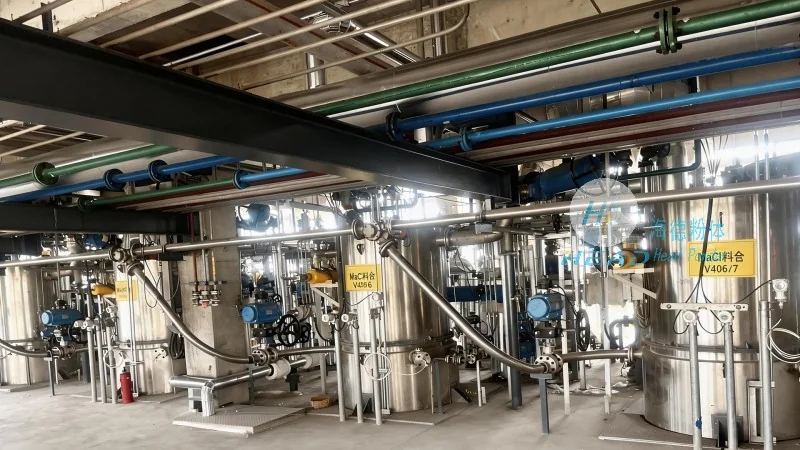
One of the key advantages of positive pressure systems is their ability to handle large volumes of material at high velocities, making them ideal for high-throughput applications. The system's design allows for easier integration with existing processing equipment, as the discharge point can be directly connected to the processing unit. However, positive pressure conveying has notable drawbacks. The high-pressure air increases energy consumption, as more power is required to maintain the pressure throughout the pipeline. This can lead to higher operational costs, especially for long-distance or high-volume operations. Additionally, positive pressure systems generate more dust and require more robust filtration systems to comply with environmental regulations. The equipment, such as the pressure blowers and pipeline components, is also more prone to wear due to the abrasive nature of calcined sand, necessitating more frequent maintenance.
Key Factors Influencing System Selection
The choice between negative and positive pressure conveying for calcined sand depends on several critical factors, including the conveying distance, material characteristics, and operational requirements. For short to medium distances (typically up to 100 meters) with low to moderate material flow rates, negative pressure systems may be more cost-effective due to lower energy consumption and simpler equipment. However, for long-distance conveying (over 100 meters) or high-volume applications, positive pressure systems are generally preferred due to their superior performance in maintaining flow rates and handling abrasive materials.
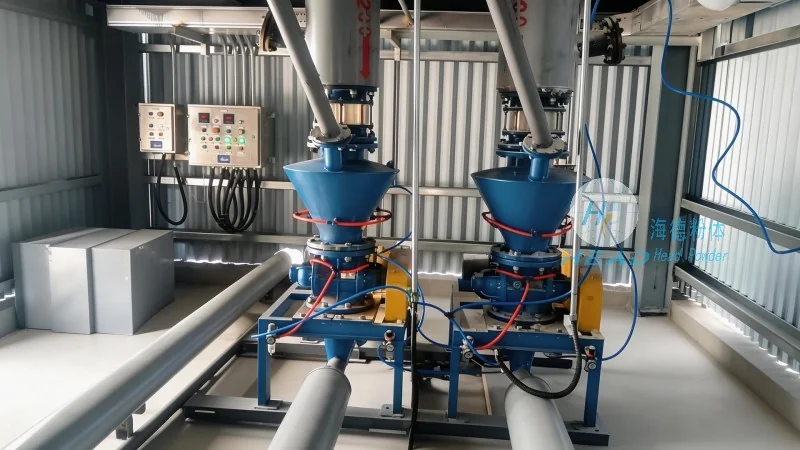
Material characteristics, such as particle size, moisture content, and dustiness, also play a significant role. Negative pressure systems are better suited for materials with high moisture content or fine particles that are prone to dusting, as the sealed system reduces emissions. Positive pressure systems, on the other hand, are more effective for handling dry, coarse materials with low moisture content. Operational requirements, including budget constraints, maintenance capabilities, and environmental regulations, must also be considered. Companies with limited budgets may opt for negative pressure systems due to lower initial costs, while those with strict environmental regulations may need to invest in more advanced filtration systems for positive pressure systems.
Conclusion
In conclusion, both negative pressure and positive pressure conveying systems offer viable solutions for calcined sand gas-pneumatic transport, each with distinct advantages and disadvantages. Negative pressure systems excel in short-distance, low-flow applications with a focus on energy efficiency and reduced dust emissions, while positive pressure systems are superior for long-distance, high-volume operations requiring consistent flow rates and robust handling of abrasive materials. The optimal choice depends on a comprehensive evaluation of the specific application's requirements, including distance, material properties, and operational constraints. For businesses seeking reliable and efficient calcined sand conveying solutions, Shandong HeadPowder Engineering Co., Ltd., based in Shandong, China, provides expert consultation and customized system designs tailored to meet diverse industrial needs.