

Design of Pneumatic Conveying Equipment for Food Additives
Efficient and reliable material handling is a critical component of modern food processing operations, particularly when dealing with food additives. The design of pneumatic conveying equipment plays a pivotal role in ensuring that these essential ingredients are transported safely, hygienically, and with minimal risk of contamination. This article explores the key considerations and technical advancements in the design of pneumatic conveying systems tailored for the food additive industry.
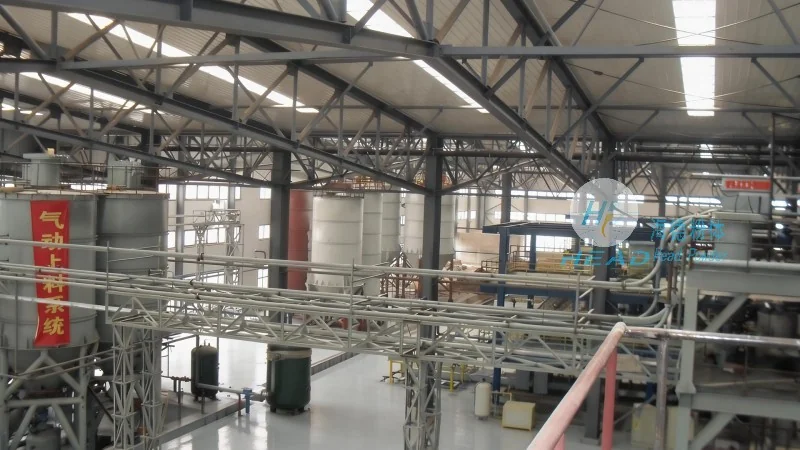
Introduction to Pneumatic Conveying Systems for Food Additives
Pneumatic conveying systems utilize air or other gases to transport bulk materials, including powders and granules, from one location to another. In the context of food additives, these systems must meet stringent regulatory requirements related to food safety, hygiene, and product integrity. The design of such equipment involves a careful balance of factors, including material compatibility, pressure differentials, and the prevention of particle degradation or agglomeration. By leveraging advanced engineering principles, manufacturers can develop systems that not only enhance operational efficiency but also maintain the quality and purity of the food additives being handled.
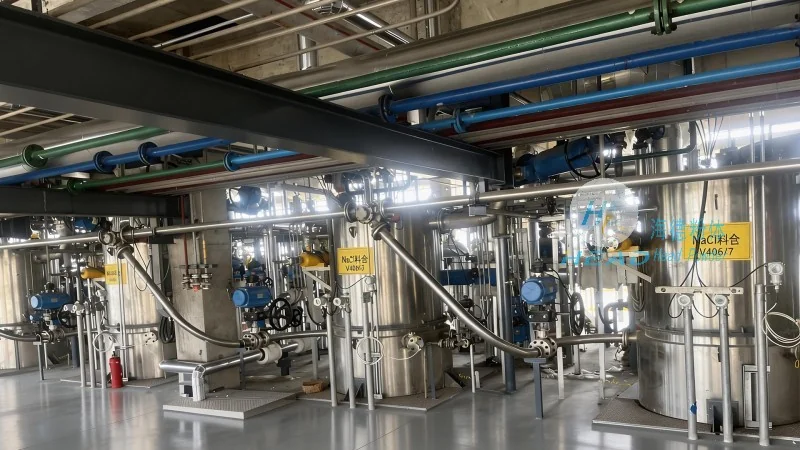
Key Features and Technical Specifications
When designing pneumatic conveying equipment for food additives, several key features must be considered to ensure optimal performance and compliance with industry standards. First, the equipment must be constructed from materials that are non-reactive with the additives and easy to clean, such as stainless steel or food-grade plastics. This ensures that the product remains free from contamination and adheres to hygiene regulations like FDA and EU guidelines. Second, the system must be capable of handling a wide range of particle sizes and flow rates, from fine powders to larger granules, without causing clogging or excessive pressure drops. Advanced control systems, including variable frequency drives and pressure sensors, are often integrated to maintain consistent flow and prevent system overload. Additionally, the design should incorporate features like dust collection and filtration to minimize environmental impact and protect personnel from exposure to airborne particles.
Company Profile: Shandong HeadPowder Engineering Co., Ltd.
Headpowder, a leading engineering firm based in Shandong, China, specializes in the design and manufacturing of customized pneumatic conveying solutions for the food and pharmaceutical industries. With years of experience in the field, the company has developed a reputation for delivering high-quality, reliable equipment that meets the unique demands of food additive processing. HeadPowder Engineering Co., Ltd. employs a team of skilled engineers and technicians who work closely with clients to understand their specific requirements and provide tailored solutions. The company’s commitment to innovation and quality control ensures that each project is executed with precision, resulting in systems that enhance productivity while maintaining the highest standards of safety and hygiene.
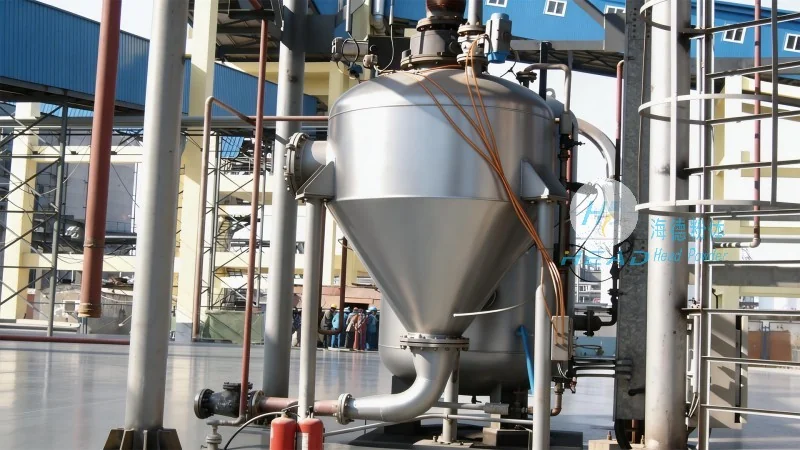
Address and Location
HeadPowder Engineering Co., Ltd. is located in Shandong, China, providing a strategic base for serving clients both domestically and internationally. The company’s facilities are equipped with state-of-the-art design and manufacturing capabilities, enabling it to handle projects of varying complexity. By maintaining a local presence, HeadPowder ensures that clients receive prompt support and service, including installation, commissioning, and ongoing maintenance of their pneumatic conveying systems. This approach not only enhances customer satisfaction but also underscores the company’s dedication to long-term partnerships and sustainable growth in the industry.