

Design of a Pneumatic Conveying System for Metal Iron Powder
HeadPowder, a leading manufacturer based in Shandong, China, specializes in the design and development of advanced pneumatic conveying systems tailored for metal iron powder applications. This article provides a detailed overview of the design considerations, key components, and operational principles of such systems, ensuring efficient and reliable material handling for industrial processes.
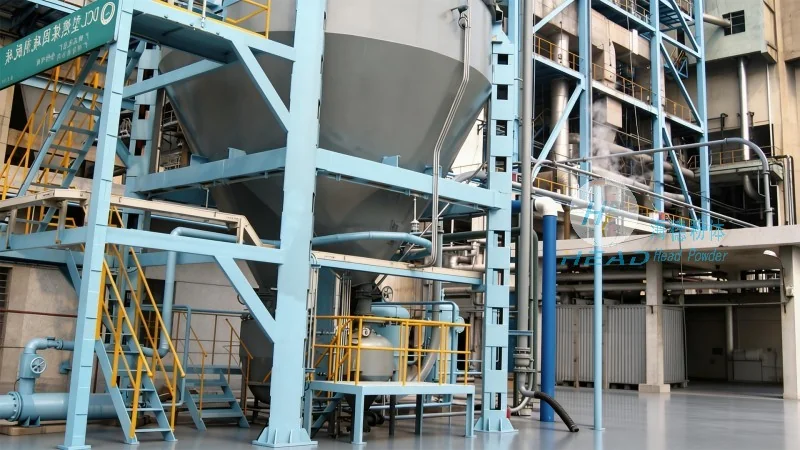
Design Principles and Considerations
The design of a pneumatic conveying system for metal iron powder involves several critical factors to ensure optimal performance, safety, and durability. These include material properties analysis, flow rate requirements, system pressure selection, and the selection of appropriate equipment such as feeders, ducts, and separation units. Engineers at Shandong HeadPowder Engineering Co., Ltd. conduct thorough assessments of the iron powder's particle size distribution, moisture content, and bulk density to determine the most suitable conveying method—either dilute phase or dense phase—based on the application's specific needs.
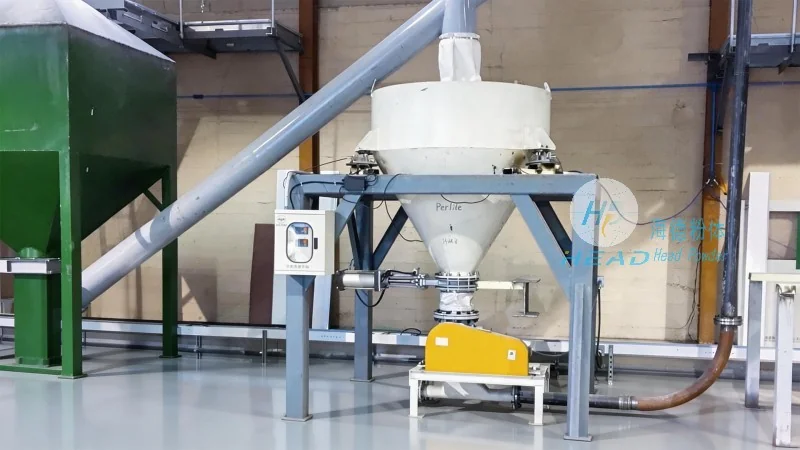
Key Components of the Pneumatic Conveying System
The core components of a metal iron powder pneumatic conveying system include the material feeder, air compressor, conveying ducts, and separation equipment. The material feeder, often a rotary valve or a screw feeder, ensures a consistent and controlled flow of iron powder into the system. The air compressor provides the necessary pressure and volume of air to transport the material through the ducts. The conveying ducts are typically made of stainless steel or other corrosion-resistant materials to handle the abrasive nature of metal powders. Separation units, such as cyclones or filters, are employed to separate the iron powder from the air stream, ensuring that the material is collected efficiently and the air is cleaned before release.
Performance and Advantages of the System
Shandong HeadPowder Engineering Co., Ltd.'s pneumatic conveying systems for metal iron powder offer several advantages over traditional bulk handling methods. These include reduced material degradation due to minimal contact with equipment, improved safety by eliminating manual handling of powders, and enhanced process control through precise flow regulation. The systems are designed to handle high volumes of iron powder while maintaining low maintenance costs and long operational life. Additionally, the use of advanced control systems allows for real-time monitoring and adjustment of the conveying parameters, ensuring consistent performance and minimizing downtime.
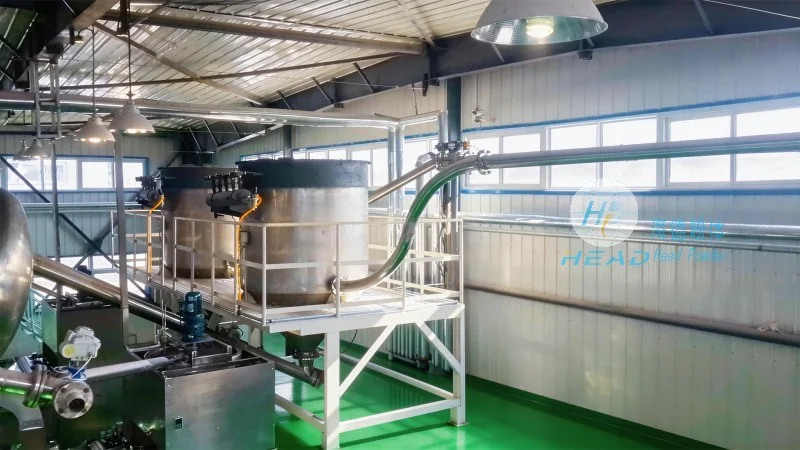
Application Scenarios and Customization
The pneumatic conveying systems designed by HeadPowder are versatile and can be adapted to various industrial applications, including metal powder processing, foundry operations, and chemical manufacturing. The company's engineering team works closely with clients to understand their specific requirements and provides customized solutions that meet their operational and budgetary constraints. Whether for small-scale laboratory use or large-scale industrial production, the systems are built to deliver reliable and efficient material transport, contributing to improved productivity and reduced operational costs.