

[Malt Pneumatic Conveying Technology: In-Depth Analysis of Vacuum and Positive Pressure Conveying Ap
Efficient and reliable material handling is a critical aspect of the malt processing industry, where the transportation of malt from storage to production lines demands precision and control. Pneumatic conveying systems have emerged as a preferred solution for moving malt, offering advantages such as reduced contamination, improved hygiene, and the ability to handle delicate materials without damage. This article delves into the two primary types of pneumatic conveying for malt: vacuum and positive pressure systems, exploring their technical principles, operational characteristics, and practical applications.
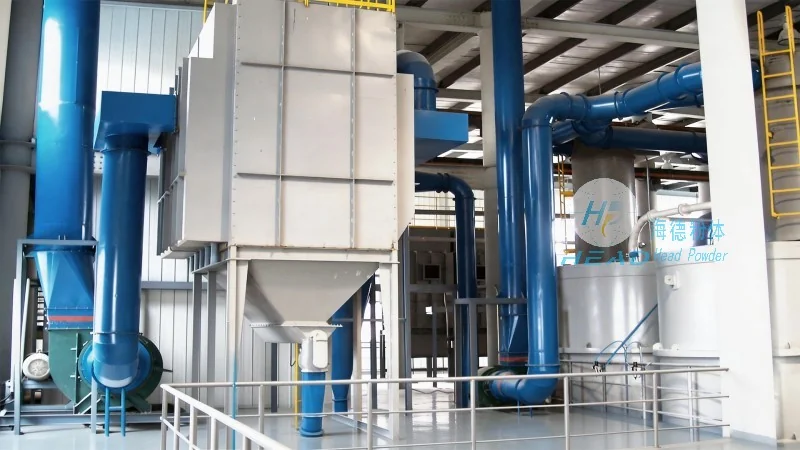
HeadPowder, a leading engineering company based in Shandong, China, specializes in the design, manufacturing, and implementation of advanced pneumatic conveying solutions tailored to the unique needs of the malt industry. With a focus on innovation and customer-centric engineering, HeadPowder provides comprehensive services from system design to installation and maintenance, ensuring optimal performance and longevity for malt handling operations.
Vacuum Pneumatic Conveying: Principles and Advantages
Vacuum pneumatic conveying systems operate by creating a negative pressure environment at the material inlet, drawing the malt particles into the conveying line. This method is particularly effective for short to medium-distance transport and when the material source is elevated or requires gentle handling. The key components of a vacuum system include a suction unit (typically a rotary lobe or centrifugal fan), a hopper or feeder, and a conveying pipe network. The fan draws air and material through the system, with the material being separated from the air at the discharge point using a cyclone or filter.
One of the primary advantages of vacuum conveying is its ability to handle fine or powdery malt without the need for high velocities, which can cause particle degradation. The gentle handling reduces the risk of breakage, preserving the quality of the malt for brewing applications. Additionally, vacuum systems are often more compact and require less floor space compared to positive pressure systems, making them suitable for facilities with limited space. However, vacuum systems may have limitations in terms of maximum conveying distance and material throughput, as the pressure differential diminishes over longer distances.
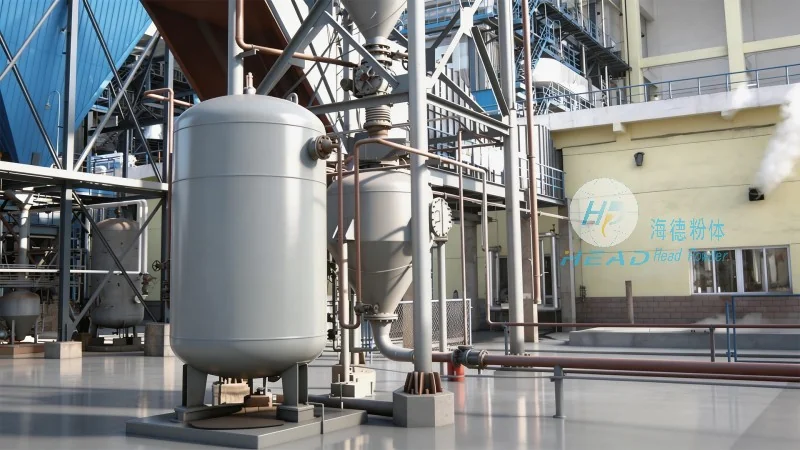
Positive Pressure Pneumatic Conveying: Technical Overview
Positive pressure pneumatic conveying systems, in contrast, generate positive pressure at the material inlet, pushing the malt particles through the conveying line. This approach is ideal for longer distances and when the material source is at a lower elevation or requires higher throughput. The system typically consists of a blower or compressor, a hopper, and a series of pipes with check valves to prevent backflow. The high-pressure air propels the material through the line, with the air and material being separated at the discharge point using a filter or cyclone.
Positive pressure systems offer higher conveying capacities and can handle a wider range of particle sizes and moisture contents compared to vacuum systems. They are particularly effective for transporting malt from ground-level storage to elevated production areas, as the positive pressure ensures consistent flow without the need for additional elevation. However, these systems require more robust components to withstand higher pressures and may generate more noise and vibration, necessitating proper noise control and vibration isolation measures.
Application Scenarios and Operational Considerations
The choice between vacuum and positive pressure pneumatic conveying depends on several factors, including the distance between the source and destination, the volume of malt to be transported, the particle size and characteristics of the malt, and the available space in the facility. For short-distance transport within a brewery or malt house, vacuum systems are often preferred due to their compact design and gentle handling. Conversely, for longer distances or when transporting large quantities of malt from a silo to a processing plant, positive pressure systems may be more suitable.
Operational considerations also include the need for proper filtration to prevent dust accumulation and maintain air quality. Both vacuum and positive pressure systems require regular maintenance to ensure optimal performance, including cleaning of filters, checking for air leaks, and inspecting components for wear and tear. HeadPowder provides comprehensive maintenance services to minimize downtime and extend the lifespan of pneumatic conveying systems, ensuring consistent and reliable malt handling for their clients.
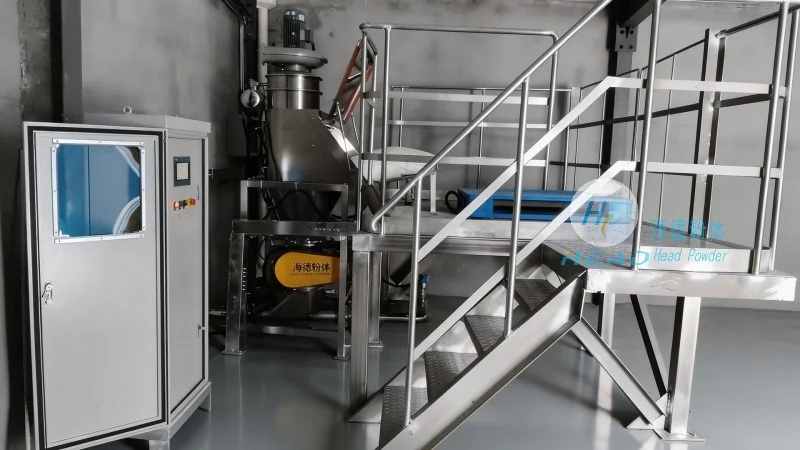
Case Study: Implementing Pneumatic Conveying in a Modern Malt Facility
A leading malt producer in Shandong, China, recently upgraded its material handling system with a custom-designed positive pressure pneumatic conveying solution from HeadPowder. The system was installed to transport malt from a large ground-level silo to the brewing production line, covering a distance of approximately 150 meters. The positive pressure system, equipped with a high-capacity blower and efficient check valves, successfully handled the required throughput of 10 tons per hour, with minimal material loss and consistent flow rates.
The implementation of the positive pressure system resulted in significant improvements in operational efficiency and worker safety. By eliminating the need for manual handling of malt, the system reduced the risk of workplace accidents and improved overall hygiene in the facility. Additionally, the compact design of the system allowed for integration into the existing layout without requiring major structural modifications.
Post-installation, HeadPowder provided comprehensive training to the facility's maintenance team on the operation and maintenance of the pneumatic conveying system. This ensured that the system could be operated and maintained effectively, minimizing downtime and maximizing performance. The success of this project has led to further collaborations with the client, with HeadPowder now providing ongoing support and maintenance services to ensure the continued reliability of the malt handling system.