

[Corn Pneumatic Conveying Design Calculation and Equipment Selection]
When it comes to efficiently handling corn in industrial settings, pneumatic conveying systems offer a reliable and efficient solution. The design and selection of the right equipment are critical to ensure optimal performance, minimal maintenance, and cost-effectiveness. This article provides a comprehensive overview of the key aspects involved in designing and selecting pneumatic conveying systems for corn applications, with a focus on the expertise and solutions offered by Shandong HeadPowder Engineering Co., Ltd.

Understanding Pneumatic Conveying Principles
Pneumatic conveying systems use air or other gases to transport bulk materials like corn from one location to another. The process involves creating a pressure differential to move the material through a pipeline. There are two main types of pneumatic conveying: pressure and vacuum systems. Pressure systems use compressed air to push the material, while vacuum systems use a vacuum to pull the material. The choice between these systems depends on factors such as the distance to be covered, the material's properties, and the desired flow rate. Pneumatic conveying operates by creating a pressure differential between the inlet and outlet of the conveying line. In pressure systems, compressed air is introduced at the inlet, while in vacuum systems, a vacuum is created at the outlet. The air velocity is typically maintained between 20 to 30 meters per second for corn particles, depending on the particle size and density. The pipeline diameter is also an important factor, as it affects the pressure drop and the flow rate. A larger diameter reduces the pressure drop but increases the equipment cost, while a smaller diameter increases the pressure drop and may lead to blockages.
Key Design Considerations for Corn Conveying
Designing a corn pneumatic conveying system requires careful consideration of several factors. The first step is to determine the required flow rate, which is influenced by the production capacity and the distance between the source and destination. The material's bulk density, particle size distribution, and moisture content also play a crucial role in the design process. These parameters affect the air velocity needed to maintain the material in suspension and prevent blockages. The required flow rate is determined by the production capacity of the corn processing facility. For example, a facility processing 100 tons of corn per hour will require a higher flow rate compared to a facility processing 50 tons per hour. The material's bulk density, which is the mass of corn per unit volume, is another important factor. Corn has a bulk density that ranges from 0.6 to 0.8 g/cm³, depending on the moisture content and particle size. The particle size distribution also affects the conveying process. Coarse particles require higher air velocity to maintain suspension, while fine particles may cause clogging if not handled properly.
Equipment Selection for Corn Pneumatic Conveying
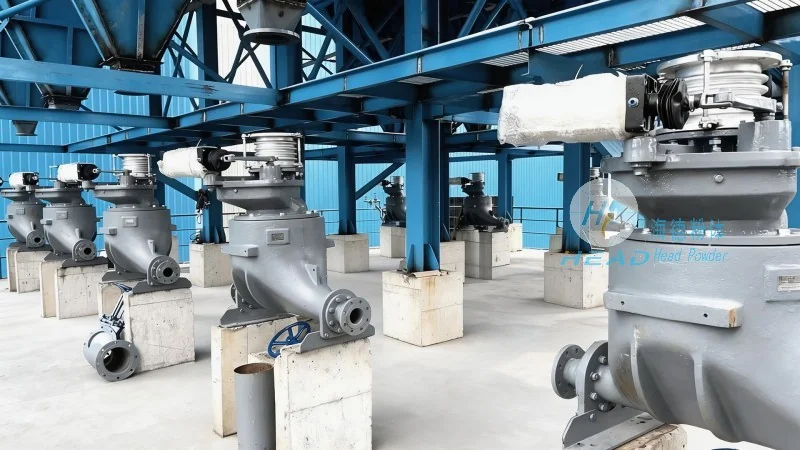
Shandong HeadPowder Engineering Co., Ltd. specializes in providing tailored solutions for corn pneumatic conveying. The company offers a range of equipment including feeders, conveyors, and separation systems. The feeders are designed to handle corn efficiently, ensuring a consistent flow rate. The conveyors are built with durable materials to withstand the abrasive nature of corn particles. The separation systems help to remove any foreign materials, ensuring the quality of the conveyed corn. HeadPowder offers a range of feeders, including rotary valves and screw feeders, which are designed to handle corn efficiently. The rotary valves are suitable for dry and free-flowing materials like corn, while the screw feeders are ideal for handling wet or sticky corn. The conveyors are made of stainless steel or other corrosion-resistant materials to withstand the abrasive nature of corn particles. The separation systems include cyclones and filters, which help to remove any foreign materials such as dust, debris, or other contaminants. These systems ensure that the conveyed corn is clean and free from any impurities.
Calculating Air Flow and Pressure Requirements
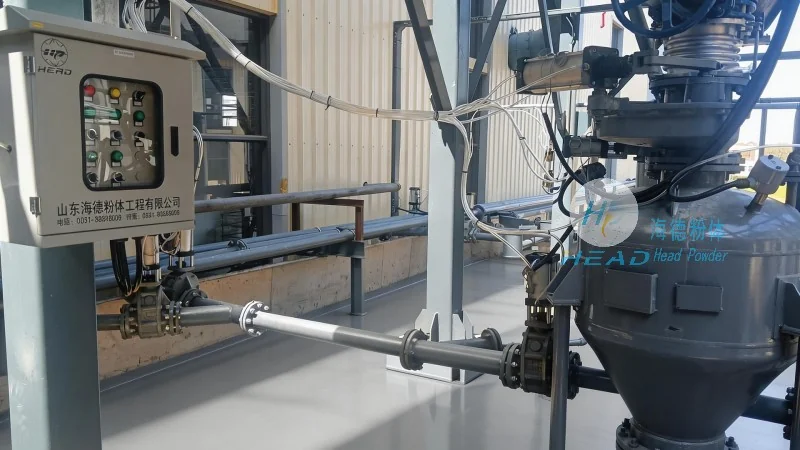
Accurate calculation of air flow and pressure is essential for the successful operation of a corn pneumatic conveying system. The air velocity must be sufficient to keep the corn particles in suspension but not so high as to cause excessive wear on the equipment. The pressure drop across the system is another critical factor that needs to be considered. Proper calculation of these parameters ensures that the system operates efficiently and within the specified performance parameters. The air flow rate is calculated based on the required flow rate and the air velocity. The formula for air flow rate is Q = A * v, where Q is the air flow rate, A is the cross-sectional area of the pipeline, and v is the air velocity. The pressure drop is calculated using the Darcy-Weisbach equation, which takes into account the pipe length, diameter, and the roughness of the pipe surface. The pressure drop is an important factor as it determines the power required to operate the system. A higher pressure drop requires more energy and may lead to higher operating costs.
Benefits of Using Pneumatic Conveying for Corn
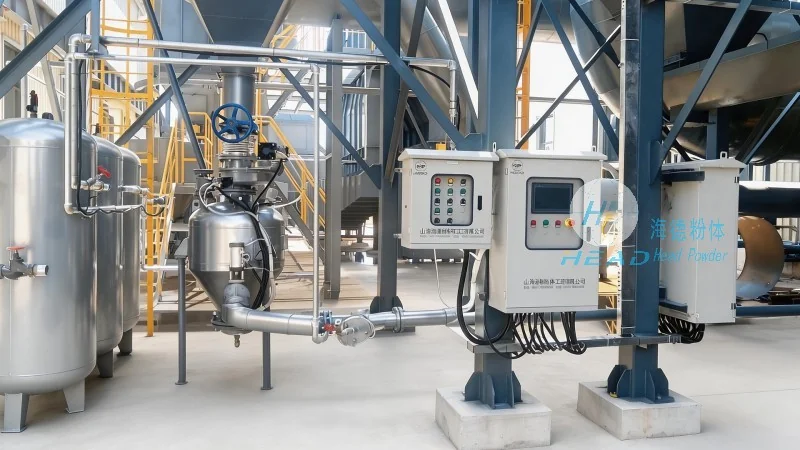
Implementing a pneumatic conveying system for corn offers several benefits. First, it provides a dust-free and hygienic environment, which is essential for food processing applications. Corn is a food product, and any contamination can lead to health risks. Pneumatic conveying systems help to maintain a clean and hygienic environment, reducing the risk of contamination. Additionally, the system reduces the risk of material spoilage by minimizing exposure to air and moisture. This helps to extend the shelf life of the corn and improve its quality. The improved efficiency of the production process is another benefit. By minimizing downtime and maintenance, the system reduces the overall operating costs. Finally, the cost savings are significant. The system reduces labor costs by automating the material handling process and reduces energy costs by operating efficiently.
Conclusion and Company Overview
Designing and selecting the right pneumatic conveying system for corn is a complex process that requires expertise and experience. Shandong HeadPowder Engineering Co., Ltd. has the necessary expertise to provide customized solutions that meet the specific needs of corn processing facilities. The company's commitment to quality and customer satisfaction has made it a trusted partner in the industry. By leveraging their knowledge and experience, Shandong HeadPowder Engineering Co., Ltd. helps clients achieve optimal performance and efficiency in their corn handling operations.