

Ceramic Pneumatic Conveying: A Material Handling Solution to Overcome Distance Limitations
For industries dealing with ceramic materials, efficient and reliable material handling is crucial. Traditional methods often face limitations when it comes to transporting these materials over long distances or across complex layouts. This is where ceramic pneumatic conveying systems from Shandong HeadPowder Engineering Co., Ltd. come into play, offering a robust solution to overcome distance restrictions and streamline material transport processes.
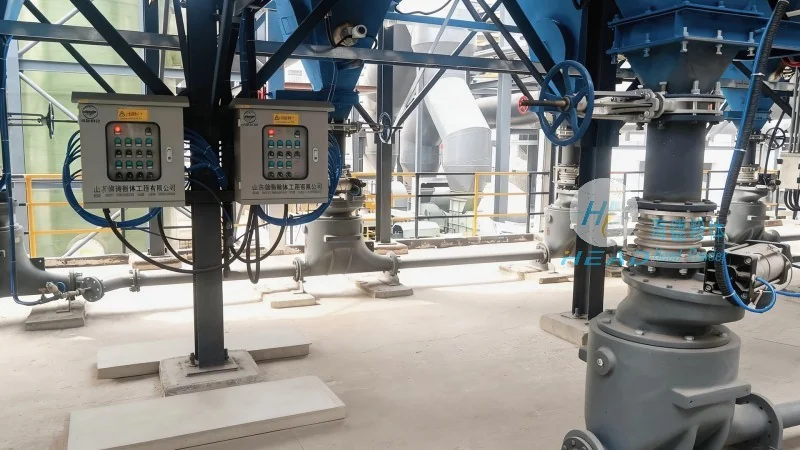
Understanding Ceramic Pneumatic Conveying Technology
Ceramic pneumatic conveying utilizes air pressure to transport dry, free-flowing materials like ceramics through a network of pipes. Unlike mechanical systems that rely on belts or screws, pneumatic conveying minimizes product degradation, reduces contamination risks, and provides a flexible solution for various material types and distances. The technology is designed to handle the unique properties of ceramic powders and granules, ensuring consistent performance and minimal wear on equipment.
Key Advantages of Ceramic Pneumatic Conveying Systems
One of the primary benefits of ceramic pneumatic conveying is its ability to transport materials over extended distances without the need for intermediate storage or transfer points. This reduces operational complexity and improves overall system efficiency. Additionally, the system is gentle on the material, preserving its quality and preventing issues such as agglomeration or particle breakdown. Another advantage is the flexibility it offers, allowing for easy integration into existing production lines and the ability to adapt to changing production needs.
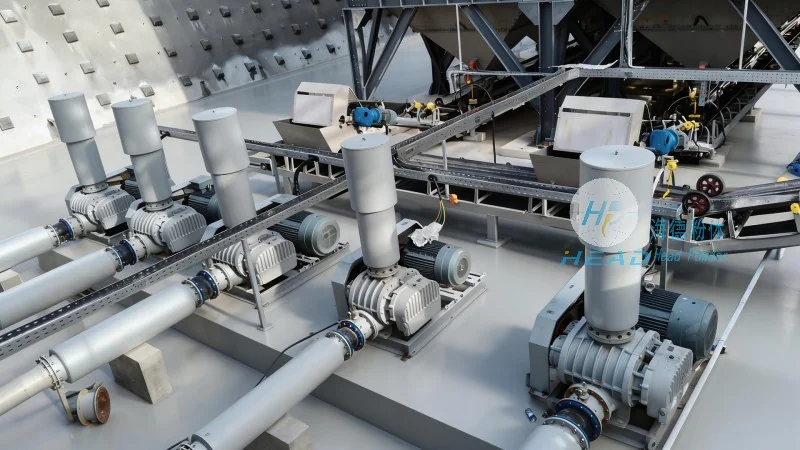
Customized Solutions for Diverse Applications
Shandong HeadPowder Engineering Co., Ltd. specializes in providing customized ceramic pneumatic conveying solutions tailored to the specific requirements of each client. Whether the application involves transporting fine ceramic powders, bulk ceramic granules, or other related materials, the company’s engineers work closely with clients to design systems that meet their operational goals. The solutions are engineered to handle varying material characteristics, including particle size, density, and moisture content, ensuring optimal performance and reliability.
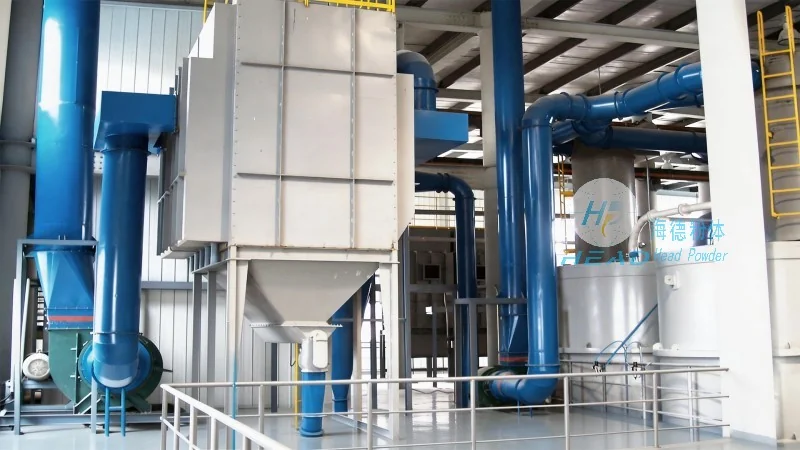
Enhancing Process Efficiency and Product Quality
By implementing ceramic pneumatic conveying systems, industries can significantly enhance their material handling processes. The technology reduces downtime associated with manual handling or mechanical conveyor breakdowns, leading to improved productivity. Furthermore, the consistent and controlled transport of materials helps maintain product quality, which is critical in industries where ceramic materials are used for high-value applications. The systems also contribute to a cleaner and safer working environment by minimizing dust and the need for manual intervention.
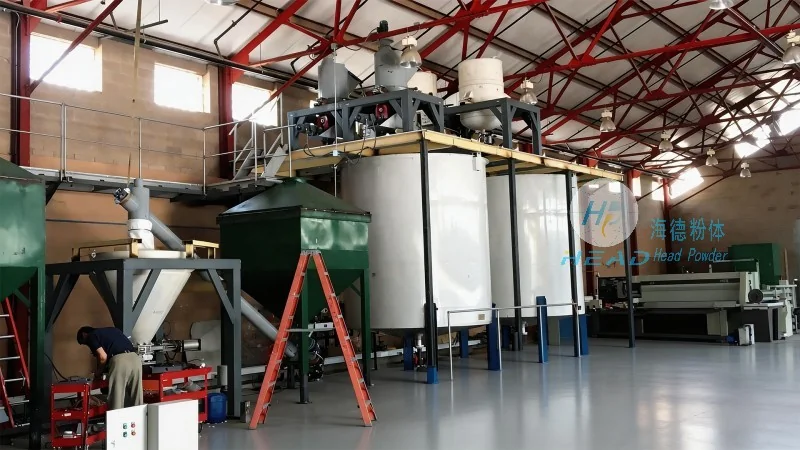
Reliability and Durability in Industrial Settings
The ceramic pneumatic conveying systems from Shandong HeadPowder Engineering Co., Ltd. are built to withstand the rigors of industrial environments. High-quality materials and robust construction ensure long-term reliability and minimal maintenance requirements. The company’s commitment to using durable components, such as corrosion-resistant pipes and efficient air movers, ensures that the systems can handle the demands of continuous operation. This reliability is essential for maintaining consistent production schedules and minimizing unexpected disruptions.
Conclusion: A Superior Material Handling Solution
Ceramic pneumatic conveying represents a significant advancement in material handling technology, offering a reliable and efficient solution to overcome distance limitations in transporting ceramic materials. With its ability to preserve material quality, enhance process efficiency, and provide flexible customization, the systems from Shandong HeadPowder Engineering Co., Ltd. are an ideal choice for industries seeking to optimize their material transport processes. By leveraging this technology, businesses can achieve improved productivity, reduced operational costs, and enhanced product quality, positioning themselves for success in competitive markets.